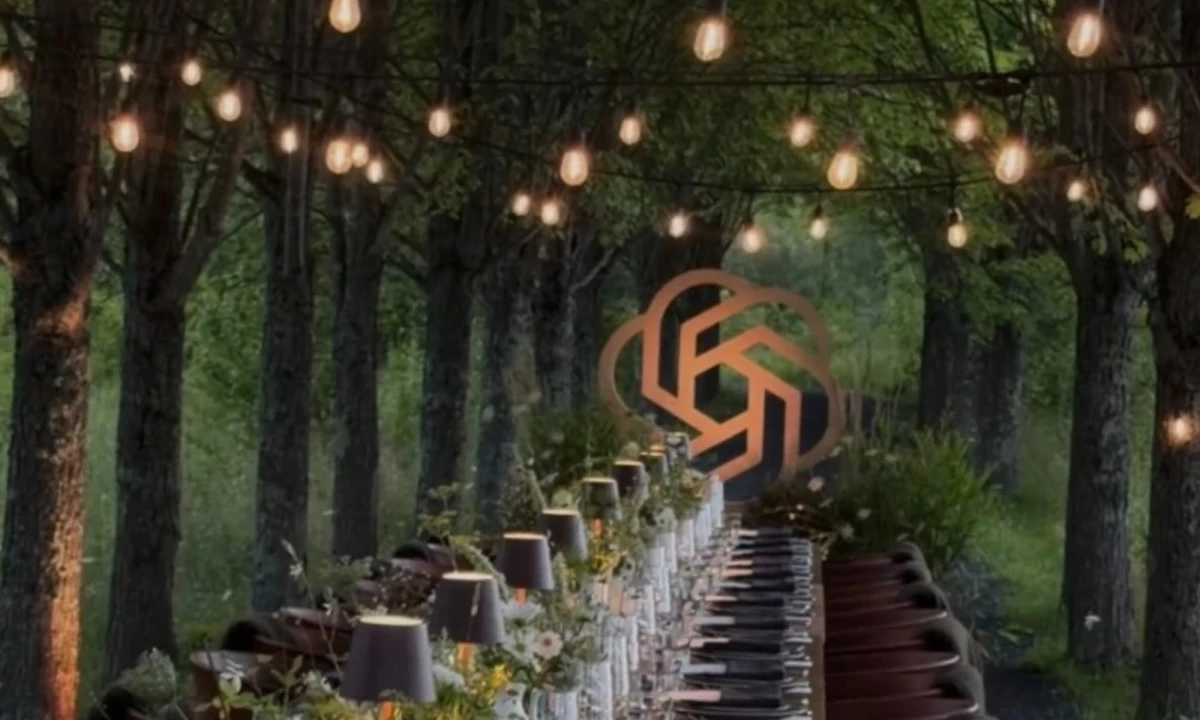

Last week, OpenAI flew a group of influencers to Wildflower Farms in New York's Hudson Valley for what it called its first-ever brand trip.
The two-day retreat, branded "Summer Club," included farm-to-table dinners, beekeeping, painting workshops, branded merch, and ChatGPT Work training sessions.
Cabins at the property run from roughly $2,250 to $5,400 a night.
In the end, the content that the trip produced generated far less attention than the criticism aimed at it.
Two reaction clips alone pulled in more than 500,000 combined views.
Individual attendee posts stayed in the hundreds of likes and low thousands of views.
Several creators were labeled sellouts in the comments, and a few even disabled comments or deleted the posts.
Someone at OpenAI signed off on this content marketing strategy, and this approval is the part we'll dig into.
A Beauty-Brand Format for a Product Under Scrutiny
The Summer Club format is a familiar one in beauty and fashion marketing.
A luxury retreat, curated content moments, branded merchandise, and a group of creators built to generate aspirational lifestyle posts.
Revolve, Rhode, and similar brands have run versions of this for years with strong results.
The format aligns well with these kinds of brands because the audience walks in with low resistance.
Nobody scrolling past a skincare influencer's retreat post is thinking about the company's labor practices or its environmental footprint.
However, ChatGPT has a different kind of audience.
OpenAI's product sits inside a set of public conversations about job displacement, data center resource use, and the scale of AI companies' government contracts.
These conversations were already peaking before Summer Club happened, in comment sections, on TikTok, and across mainstream tech coverage.
The lifestyle retreat format assumes an audience with the same low resistance a beauty brand enjoys, and OpenAI has no such audience.
OpenAI decided on this kind of activation in February when it hired the executive who spent a career running events like this one.
Charles Porch joined the company in February as its first VP of Global Creative Partnerships after 15 years at Facebook, Instagram, and Meta.
He built Instagram's global partnerships team and helped Beyoncé launch her surprise self-titled album through social media in 2013.
He also got Pope Francis onto Instagram, a signal of how well he could sell a platform to people with reasons to stay off it.
Summer Club reads like an Instagram-era activation because it was built by someone whose entire career was spent running Instagram-era activations.
However, Instagram's celebrity launches never had this kind of baggage attached to them.
Porch's skill translates, but the audience goodwill he had at Instagram does not, and OpenAI needed both for this kind of influencer marketing to work.
Four Misses in the Summer Club Rollout
OpenAI spokesperson Drew Pusateri described the event as education-led, aimed at giving creators hands-on experience with the company's tools.
But the content that came out of the trip did not reflect this stated intent.
TechCrunch and NBC News both described content centered on cabins, nature excursions, and farm-to-table meals.
There were only scattered posts about the product itself, and this gap between stated intent and actual output is the first miss.
If the goal was product education, the trip needed a content structure that made the product the story.
A retreat filled with beekeeping, fancy dinners, and painting was never going to produce this content on its own.
The second miss is timing.
OpenAI is in the midst of finalizing a reported $500 billion data center deal in Ohio and already holds a $200 million Department of Defense contract.
Both of these issues surfaced in critical comments on the influencers' posts.
A luxury retreat announced in the same news cycle created an opening for critics that a different rollout schedule might have avoided.
The third miss is measurement.
The trip tied OpenAI more tightly to its backlash than to any of its products, which is the opposite of what the budget was meant to buy.
The fourth miss is audience composition.
Pew Research has found a gender split in AI sentiment, with women reporting more negative views than men on average.
Most of the Summer Club creators were women, and their audiences skewed the same way.
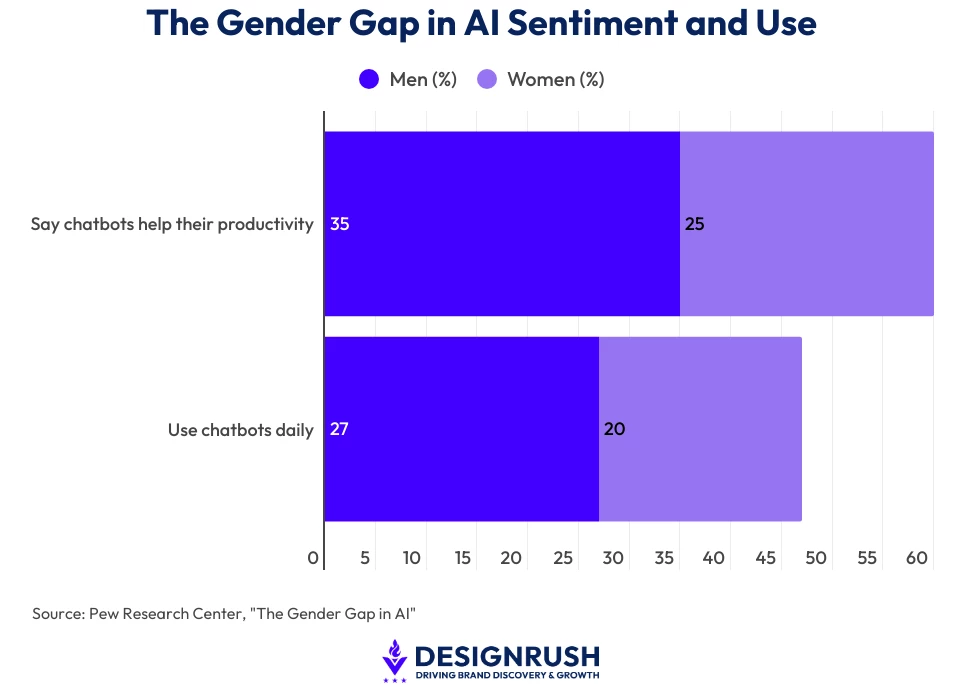
OpenAI sent an aspirational format to the segment least likely to receive it warmly, which compounded every other mismatch in the rollout.
Influencer selection decides the audience, and OpenAI picked the roster without accounting for who came with it.
A Quieter Approach From Two Competitors
Anthropic has run its own influencer events in the same window, but structured them differently.
Reported creator dinners for Claude stayed smaller and less public than OpenAI's retreat, and they didn't draw comparable backlash.
Microsoft also took a small group of influencers to the Super Bowl in February to experience Copilot at an event that people were already tuning into.
Neither approach makes AI companies immune from criticism.
But both Anthropic and Microsoft denied critics the specific visual target that a $5,400-a-night cabin handed over.
This was a question of calibration, and OpenAI's marketing team got it wrong.
Calibration is the part of influencer outreach that rarely appears in a campaign brief, and it decides whether the spend returns anything.
Somebody on OpenAI's side had the authority to ask whether the format suited the audience, but nobody did it.
Whoever presented this format to OpenAI should have raised the audience problem first, and whoever approved it should have asked.
Agencies advising AI brands can pull three lessons from how this rollout went:
- Audit category sentiment. A format that flatters one industry can indict another, so test audience attitudes before committing to a campaign structure.
- Make the product the story. Creators produce whatever content the setting invites, so the itinerary has to force the product into every frame.
- Read the news cycle. A two-week delay costs almost nothing next to a campaign that becomes evidence in somebody else's argument.
The checks above are cheap, and OpenAI's summer retreat flop shows what happens when a team runs none of them.
Our Take: Is a Second Summer Club Worth the Risk?
OpenAI reportedly has a second Summer Club planned for the West Coast.
If this is true, it tells us that the company read the backlash as an execution problem.
But we think that the format itself is the liability, and tighter programming will not fix it.
A luxury retreat only works as marketing when the audience already grants the brand some goodwill.
ChatGPT does not have this goodwill, so the cabins and the merch confirm what critics already say about the company being extravagant and tone-deaf.
If OpenAI runs the West Coast version anyway, the smarter setup drops creators inside a business that already runs on ChatGPT.
Letting them film the actual work, or even tour the Ohio data center, would give skeptics and non-users a real look at what the company is doing.
Brands in contested categories need agencies that understand how to calibrate creator marketing to actual audience sentiment before a campaign goes live.
Take a look at the top influencer marketing agencies in our directory.