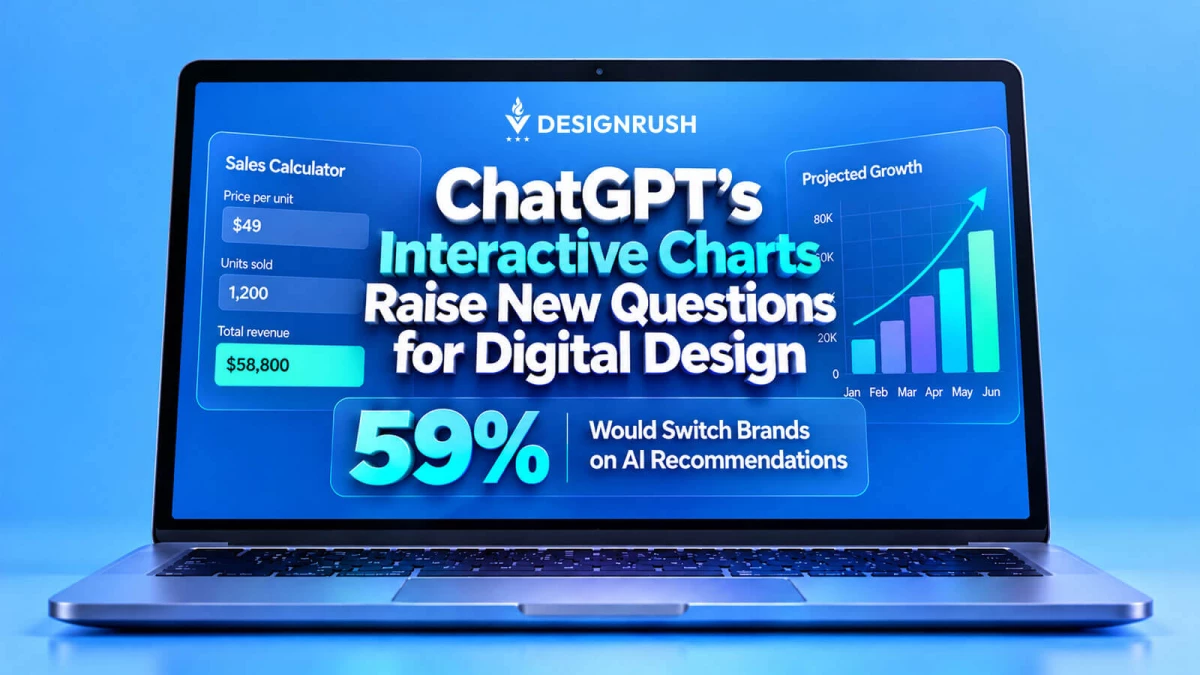

OpenAI's redesigned ChatGPT interface, called Intelligent UI, adds tappable buttons, interactive charts, and task-specific calculators to its answers.
One example is a personal savings calculator featured in the company's release materials.
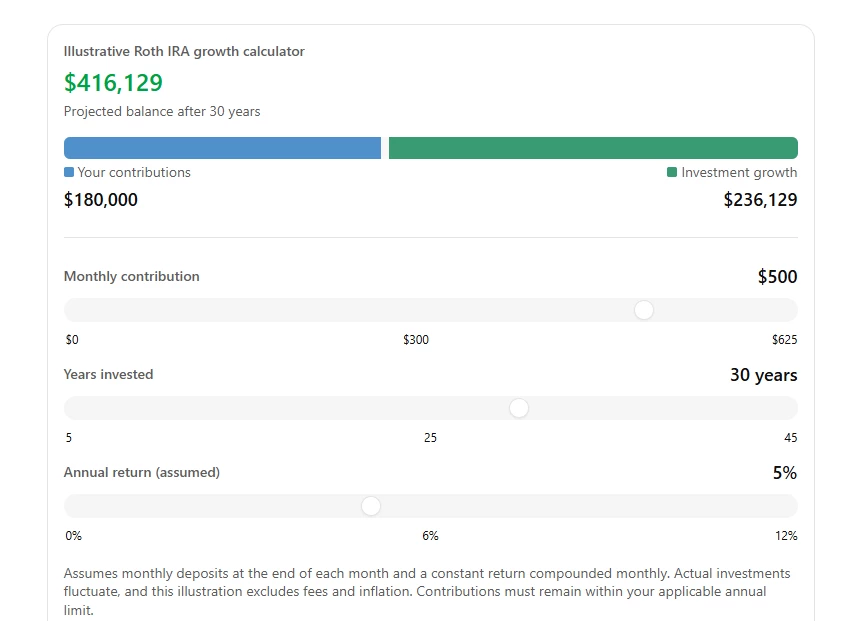
The update means a chatbot can produce, from a single prompt, a rough version of the calculators, graphs, and comparison tools that brands spend years assembling for their own websites and apps.
So, if a general-purpose AI model can produce a working interface on demand, what’s left for a brand's own digital product to do?
What Should a Brand's Digital Product Still Do?
Oleg Turbaba, brand design director at design and branding studio Clay Global, says basic calculators, charts, and lookups are among the digital product features most exposed to tools like Intelligent UI.
Any AI system can reproduce them using publicly available information.
Turbaba sees a stronger advantage in understanding customers and knowing how they prefer to interact with a company.
"The companies that understand how their customers prefer to communicate will have an advantage," he says.
That advantage could become increasingly important as AI recommendations influence where consumers shop.
In research Adobe published in October, 59% of U.S. consumers who use AI tools for shopping said they would abandon a preferred brand for an unfamiliar competitor if an AI tool recommended it.
Adobe surveyed 1,011 U.S. consumers who use large language models to research and compare products. The study reported a 95% confidence level and a margin of error of plus or minus 3%.
- 62% had already purchased from a brand they would not otherwise have considered because an AI tool suggested it
- 83% kept buying from a brand they first found through an AI recommendation
- 59% said they lose trust in a brand when an AI tool shows incorrect information about it
How Should Designers Judge Interfaces They Never See?
Intelligent UI generates charts and calculators in response to individual prompts. That leaves designers with a different task: accounting for interfaces that take form without their direct involvement.
Turbaba says that reality changes what a design job even is.
"Instead of creating three options and choosing one, you can now generate and test hundreds of variations to see what works best."
Users can also skip the visuals and stick with plain text.
"People don't necessarily want more or fewer visuals. They want the right amount for what they're trying to do, and that can change with every question," he adds.
He expects chatbots to get better at learning how a given person prefers to interact, from how much detail they're shown to the tone used and the way visuals are presented.
Can Brands Keep Customers From Going Straight to ChatGPT?
But ChatGPT isn't necessarily where shoppers want to do all their shopping.
Accenture's Holiday Shopping 2026 research found that three in five U.S. consumers prefer an AI tool offered by a specific retailer or brand over a public platform such as ChatGPT.
Four in 10 plan to use generative AI for holiday purchases this year, up from three in 10 last year.
Nearly three-quarters want AI agents to buy only from brands and retailers they already know.
The survey included 4,048 U.S. shoppers among more than 16,000 respondents across 10 countries. Accenture reported a margin of error of approximately plus or minus 1.6% for its U.S. findings.
A shopper might start with a retailer's AI assistant and later compare the same product in ChatGPT. Its price, specifications, and other product details need to be consistent across both.
Turbaba also suggests a simple test for brand recognition.
"Then imagine your brand without its colors, logo, or typography. Would people still recognize it?"
A calculator or chart can be reproduced once its underlying logic is public. A company's customer data, purchase history, and record of customer preferences are harder to replicate.
That gives brands a reason to pay attention to what AI tools say about their products, especially as shoppers become more willing to follow AI recommendations and buy from unfamiliar companies.