
Full-Funnel Marketing: Key Findings
- Brands investing in awareness see major gains, particularly when using advanced measurement versus only last click attribution.
- Diversification pays off. Moving beyond the biggest channels like Meta and Google can improve marketing efficiency and net new reach.
- Creative relevance drives efficiency. Brands that adapt their ads to feel platform-native see better results.
With CMOs under pressure to deliver growth, many are doubling down on lower-funnel tactics.
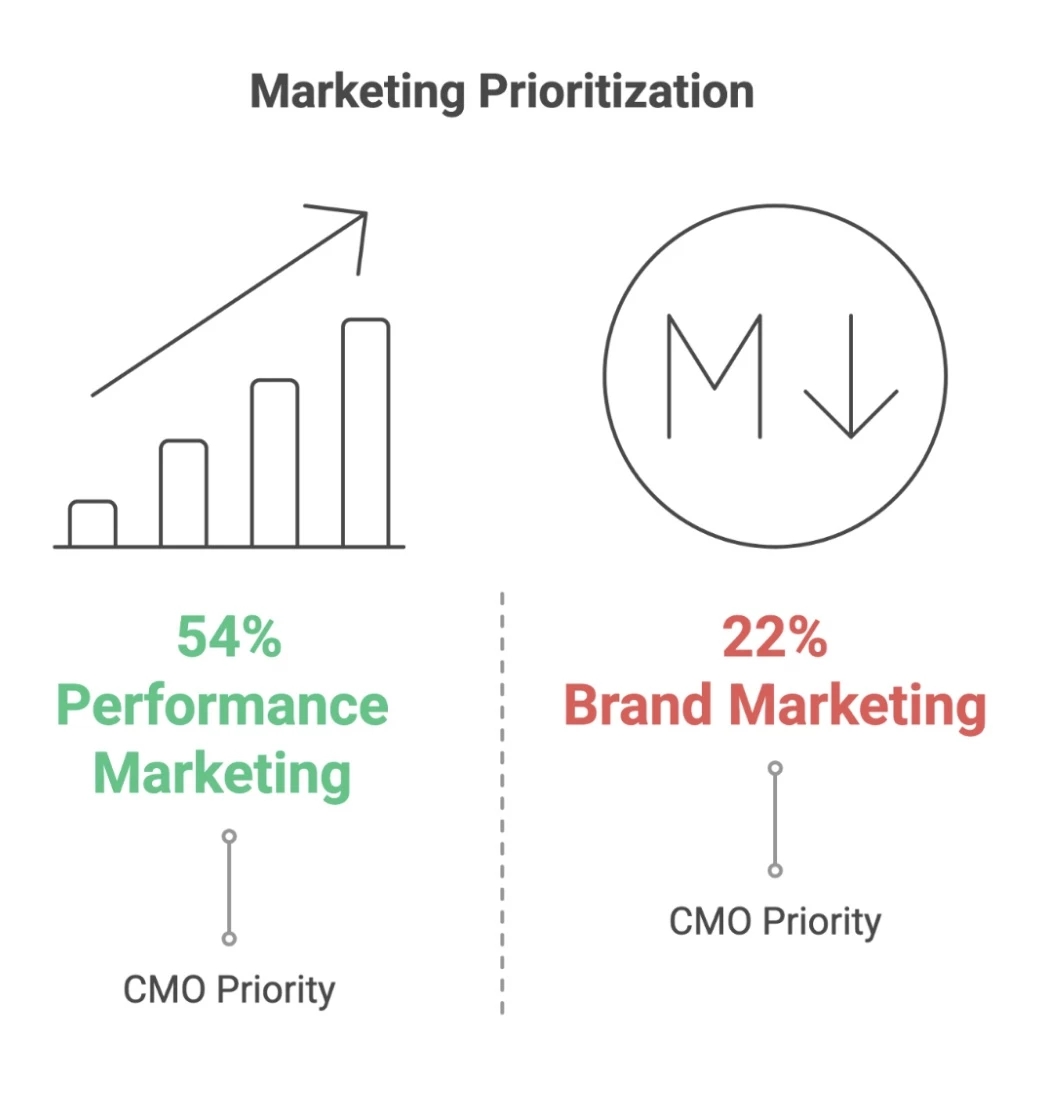
Roughly 54% of CMOs say they prioritize performance marketing, compared to just 22% who prioritize brand marketing, according to the 2025 Gartner CMO Spend Survey.
That bias toward immediate wins can quickly become a growth ceiling.
Over time, conversion campaigns get more expensive, audience pools saturate, and customer acquisition costs rise, all while long-term demand generation is neglected.
But a growing body of data suggests a smarter approach. Fashion brands investing in full-funnel strategies and diversifying across more channels are seeing higher ROAS, lower CAC, and greater resilience in a volatile market.
Editor's Note: This is a sponsored article created in partnership with Neon Growth.
Agencies like Neon Growth are helping brands shift spend up the funnel and align creative with platform culture.
This article breaks down three proven tactics from Fospha’s latest industry data, showing how brands like Underoutfit, Represent, and Childrensalon are building growth pipelines.
1. Shift 5 to 10% of Ad Spend Up the Funnel
Most brands still spend the bulk of their ad budget on conversion-focused campaigns.
But that short-term focus eventually hits a wall: you end up bidding on the same pool of ready-to-buy customers, driving up CAC while growth stagnates.
Fospha’s data shows that even a modest shift in budget can reverse that trend. Brands allocating just 5% to Awareness and Consideration see measurable gains.
For larger brands spending $600k+ per month, those that invest over 10% tend to see even more significant increases in ROAS.
Why it works: Awareness and Consideration campaigns create demand before it exists. They introduce your brand to new audiences, build trust over time, and expand the pool of future converters, which ultimately makes your lower-funnel channels more efficient, not less.
“Most brands know they need upper-funnel investment, but they don't know how to justify it. When you tie awareness spend to long-term customer growth goals, it stops being a gamble — it becomes a strategy,” said Dan Sava at Neon Growth.
Action tip: track new customer growth when launching awareness-oriented campaigns. This metric lets you know how successful your strategy is at reach net-new people.
2. Diversify to 11+ Channels for Higher ROAS
Diversification is no longer optional.
Brands spending across 11 or more marketing channels saw a 328% increase in blended ROAS compared to those active in fewer than eight, based on Fospha data.
Why it works: Each platform plays a unique role in the funnel: some spark discovery, others drive consideration, and a few are best at conversion.
Overall, it’s about more efficient coverage.
Showing up across more touchpoints can reduce reliance on any single channel, escape rising ad costs, and reach customers earlier in their journey.
Over-reliance on 1–2 platforms limits both reach and adaptability. If a core channel underperforms or saturates, growth stalls.
Diversification spreads risk, unlocks incremental audiences, and improves performance across the board, especially when paired with full-funnel creative.
Action tip: Audit your current mix. If you're only running on Google, Meta, and maybe TikTok, explore adding underutilized, high-ROAS platforms like Snapchat or YouTube — all of which are undervalued by Last Click attribution.
3. Match Creative to Platform Style & Funnel Stage
One of the biggest performance gaps in digital marketing today is creative relevance.
What works on Meta won’t necessarily work on TikTok, and repurposing the same ad across platforms often reduces perceived relevance and expedites fatigue.
Why it works: Each platform has its own native behaviors, formats, and user expectations.
Tailoring creative to those nuances builds trust, improves engagement, and boosts efficiency, especially in upper-funnel campaigns, where you’re trying to capture attention, not just clicks.
Fospha’s data shows that brands using platform-native creative, especially in Awareness and Consideration, saw up to 42% better ROAS and 35% lower CAC on Snapchat alone.
Action tip: Adapt your creative to match each platform’s strengths.
Here’s how:
- Use short-form vertical video and sound-reactive trends on TikTok
- Feature UGC-style visuals and conversational tone on Snapchat
- Optimize YouTube ads for sound-on and front-load the hook in the first five seconds
- On Pinterest, emphasize visually-driven content with clear product context
These aren’t small adjustments; they’re growth levers.
“When testing new channels, creative should be the heart of the media plan - not an afterthought. We’ve seen that platform-specific creative consistently improves performance versus trying to run the same ads everywhere. The goal is to adapt your campaign message to the environment in which your audience will encounter your ad. For example, that might look like beautiful photography on Instagram, lo-fi UGC on Tiktok, gamified animations on AppLovin, longer form review content on Youtube, high-polish brand video for CTV, and so on, ” said Rosie Osmun of Neon Growth.
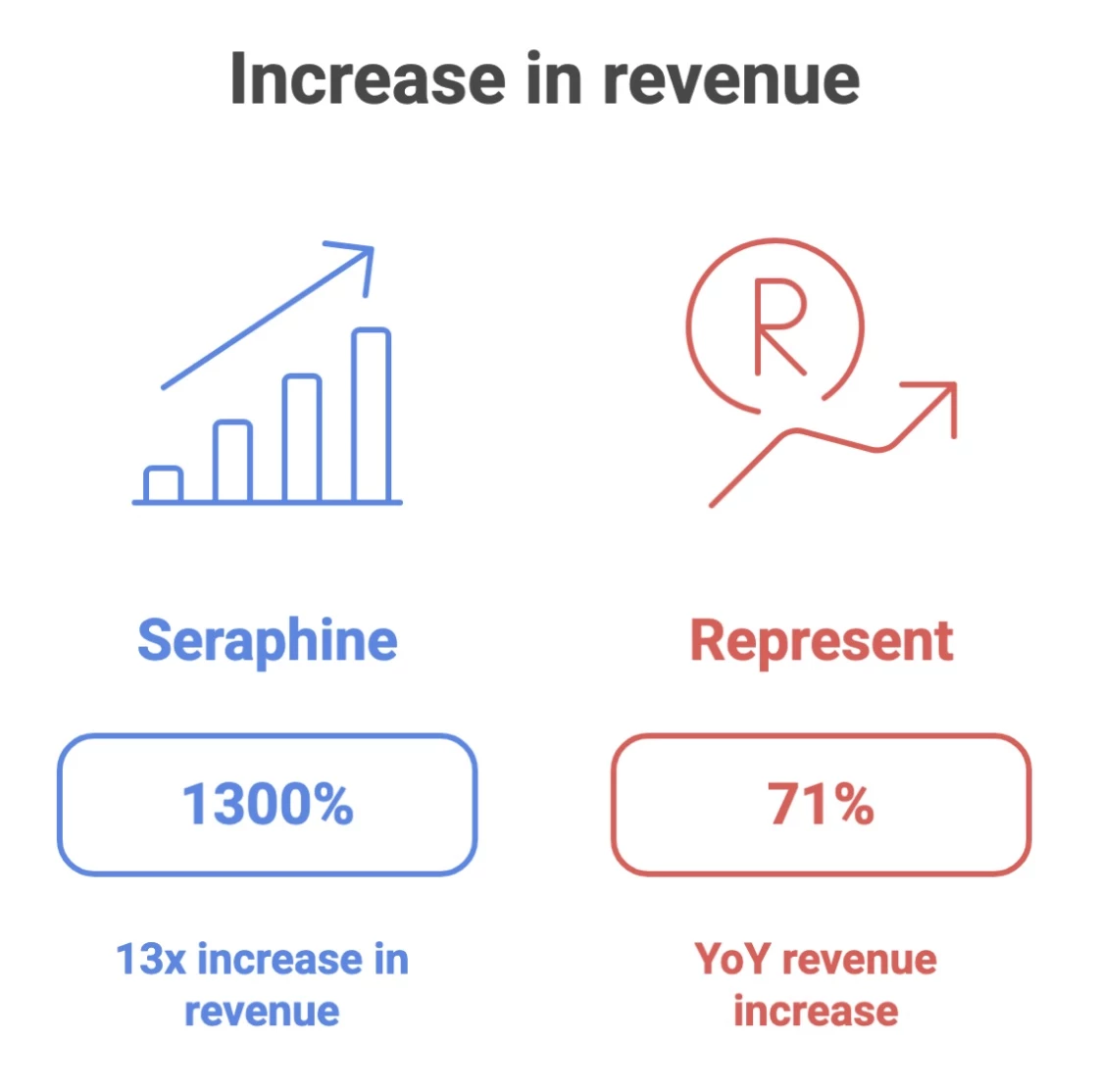
For example, Represent discovered through Fospha that its TikTok ROAS was 380% higher than they had previously measured.
After ramping up spend, the brand achieved a 71% increase in YoY revenue.
Similarly, Seraphine scaled Pinterest spend by 590% and saw a 13x increase in revenue, all by leaning into high-quality, product-forward visuals that matched Pinterest’s inspiration-first environment.
Rethinking Growth in a Post-Click World
The playbook that once worked is breaking down.
Audience fatigue, rising CAC, and declining attribution accuracy make it harder than ever to grow on performance marketing alone.
Agencies like Neon Growth are helping brands shift from reactive tactics to proactive strategies, building full-funnel systems that generate long-term demand and incrementality.
The brands that are pulling ahead are those willing to invest before the click: sparking interest, not just chasing intent.
If you want to grow in 2025, don’t just optimize the bottom of the funnel. Build a bigger one.