
Winning Clients: Key Findings
- The strongest client partnerships begin with a good fit: clear alignment, honest expectations, and openness about past experiences.
- Trust doesn’t come from big promises. It starts early, when an agency shows it’s there to solve problems.
- Staying on the same page takes lots of communication and honesty, both inside the team and with clients.
What’s fueling your agency’s growth: momentum, or muscle?
According to the 2025 RSW/US Survey Report, 93% of marketing and professional services firms say their growth engine isn’t strong enough to sustain them.
And while 75% still rely on referrals as their primary source of leads, that stream is increasingly unstable without consistent outreach and stronger client relationships.
For independent holding groups and performance marketers, the real test is choosing the right clients, showing value early, and building the kind of trust that lasts even when the market gets tough.
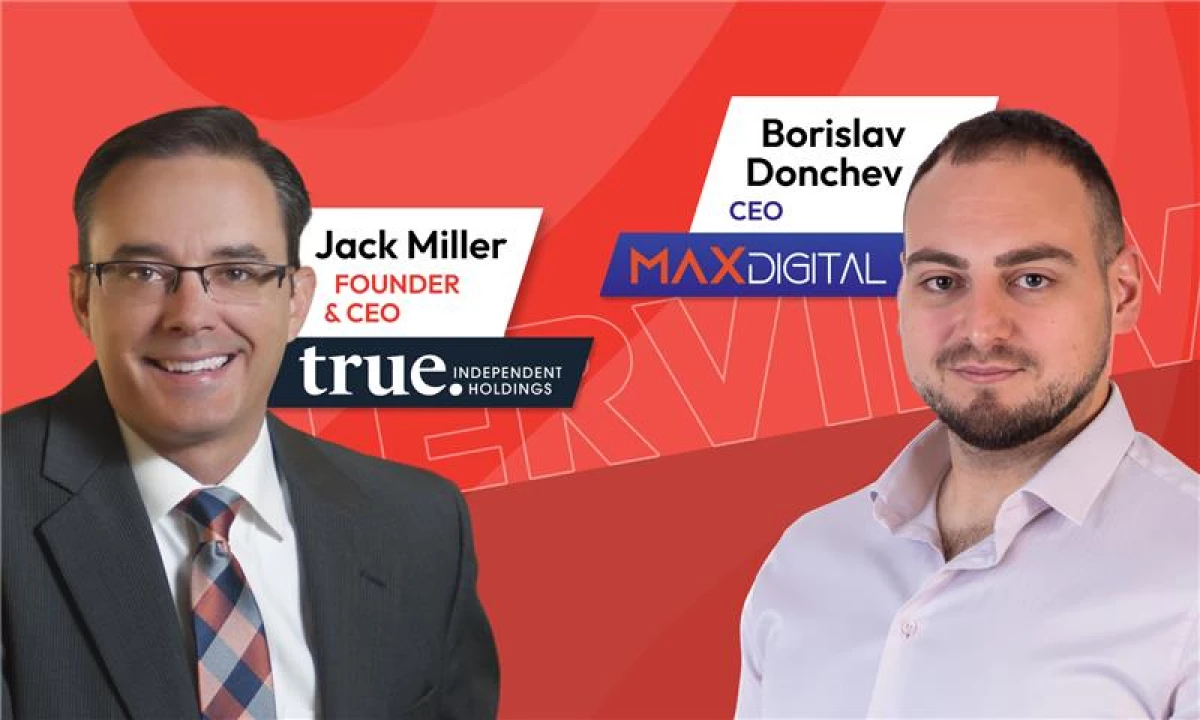
In an exclusive interview with DesignRush, Jack Miller, founder and CEO of True Independent Holdings, and Borislav Donchev, CEO of MAX Digital Bulgaria, shared their perspectives on agency growth.

Who are the Experts?
Jack Miller is the founder and CEO of True Independent Holdings, a group of specialized media agencies built on collaboration and trust. He’s spent his career helping brands find the right fit in agency partnerships and making sure teams work together seamlessly to deliver results.
Borislav Donchev is the CEO of MAX Digital Bulgaria, named one of Bulgaria’s Top 100 Executives by Career Show in 2025. His agency has earned a reputation for tackling tough SEO challenges. With over a decade of experience, Donchev focuses on driving sustainable, long-term growth for businesses.
Miller and Donchev explained how they size up potential partners, keep specialized teams working in sync, and build the kind of loyalty that lasts in a competitive landscape.
Spot the Right Clients Before You Pitch
For Miller, selecting the right clients starts with alignment.
“We want to ensure we have a competitive edge or knowledge of the client’s category before we even agree to pitch,” he explains.
Chemistry also matters. His team looks for the potential to build a collaborative relationship and seeks transparency about a brand’s past agency partnerships.
But there’s also a clear red flag.
“Brands who burn through agencies every couple of years probably aren’t the right fit for us,” Miller notes. “Like in most relationships, it’s hard to believe you can change someone once you’re in the relationship.”
Donchev echoed a similar sentiment from the performance marketing perspective. He looks for clients with clear goals, established processes, and patience for long-term development.
“The perfect partner doesn’t micromanage and is more interested in long-term development than rapid short-term wins,” he says.
The biggest warning sign is unrealistic expectations.
“If someone wants instant magic or guaranteed figures, it usually isn’t a good match,” Donchev adds.
Prove Your Value Early to Build Trust
Miller is mindful of how clients experience his holding group. Instead of making them feel like they’re managing a tangle of agencies, he emphasizes simplicity backed by depth.
“We’ve created a system that allows for seamless client management while maintaining a depth of experts that operate across multiple disciplines,” he explains.
The goal is for clients to feel supported by a broad bench of specialists without being burdened by structure or egos.
For Donchev, trust often begins in moments of crisis. He recalled one major brand that lost significant traffic after a server migration.
While competitors came in with glossy offers, his team chose a different path: they fixed the problem immediately, free of charge.
“That moment built trust,” he says. “From then on, the client disregarded the ‘big name’ agencies and opted to work exclusively with us.”
For him, lasting loyalty comes not from polished promises but from proving, early on, that the agency is there to solve problems, not just sell.
Use Over-Communication to Keep Teams Aligned
Miller sees communication as the glue that keeps expert teams aligned.
He believes in what he calls “over communication,” making sure employees see the bigger picture so they understand how their piece fits.
That visibility also helps staff grow by showing how their work connects to the bigger picture.
Donchev applies the same principle to his client relationships. Instead of sugarcoating results, he shares everything, good or bad, and walks clients through the reasons behind the numbers.
“Most agencies hide the bad and highlight only the good,” he said. “I’ve found that being brutally honest earns more respect than trying to polish every report.”
Balance Independence With Collaboration
Miller compares his agencies to Marvel superheroes: strong on their own, but even stronger together.
“Our companies each are positioned with their own ‘superpower’… but we are also well-positioned to come together to solve bigger problems for clients who need a range of services,” he says.
Donchev sees alignment from a different angle: adapting to client expectations across markets.
In Bulgaria, he explained, budgets are often smaller and expectations higher, which forces his team to be efficient and creative with resources.
International clients, by contrast, expect expertise and a proven track record. The principle stays the same: deliver measurable results, but the communication is tailored.
How Fit, Trust, and Clarity Drive Sustainable Growth
For both leaders, the throughline is trust.
The right clients are the ones who value collaboration, clear communication, and long-term growth over quick wins.
Earning their loyalty means showing up early, being transparent, and making sure teams are working toward the same goals.
Agency Partnership FAQs
What should agencies look for in a potential client?
According to Miller, it starts with having a competitive edge in the client’s category, building chemistry, and understanding past agency relationships. Donchev adds that clear goals, existing processes, and patience for long-term growth are key signs of a strong fit.
What are early warning signs of a bad client-agency fit?
Miller avoids brands that switch agencies every few years, while Donchev warns against prospects who demand instant results or guaranteed ROI.
How can independent agency groups show value without overwhelming clients?
Clients should feel like they’re working with one seamless team, not juggling multiple agencies. Behind the scenes, specialists collaborate to deliver depth without complexity.
What builds trust faster: results or relationships?
Results matter, but Donchev argues that trust starts earlier. By solving problems immediately and transparently, agencies earn loyalty that lasts longer than flashy promises.
How do independent agencies keep specialized teams aligned?
Miller relies on “over communication,” making sure employees see the full client picture. Donchev takes the same approach with clients, sharing both good and bad results to maintain credibility.