
Key Takeaways:
Accessibility-related lawsuits are rising, putting noncompliant agencies and their clients at legal and financial risk.
Offering accessibility solutions gives your agency a competitive edge by meeting growing client and consumer demand.
Positioning accessibility as a core service helps agencies protect clients, win new business, and future-proof their offerings.
Digital accessibility has become a must-have for any business looking to grow — and stay compliant. In 2023 alone, over 4,600 ADA website accessibility lawsuits were filed in the U.S. That’s a sharp rise — and it shows how risky noncompliance has become.
But it’s not just about avoiding lawsuits. Today’s consumers expect inclusive online experiences — and they’re quick to notice when a brand falls short.
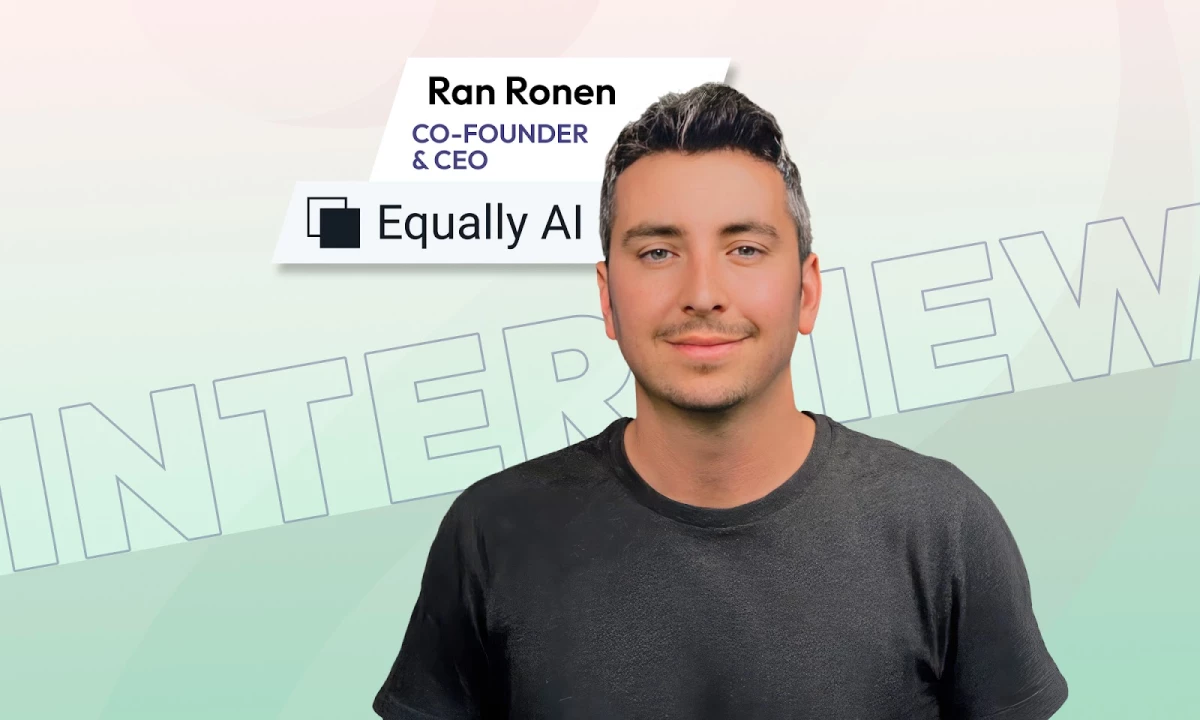
“Strategically pitching this to your clients can set your agency apart,” Ran Ronen, Co-Founder & CEO of Equally AI shared.
In an interview with DesignRush, Ronen explains why accessibility isn’t just about avoiding lawsuits — it’s also key to growth and brand trust.

Who Is Ran Ronen?
Ran Ronen is the CEO of Equally AI, where he leads the company's mission to make digital accessibility both simple and inclusive. As a member of the Forbes Business Council, with a background in entrepreneurship and a passion for innovation, Ran is dedicated to developing solutions that ensure equal access to digital content for all users. His leadership at Equally AI reflects his commitment to social impact and technological advancement, setting new standards in the digital accessibility industry.
Ran emphasizes the importance of staying ahead of regulations, and leveraging videos from top news outlets that highlight the increasing lawsuits and fines in relation to web accessibility.
“Demonstrating high-profile cases builds urgency and trust, showing clients the real-world consequences of non-compliance."
Web accessibility isn’t just a checkbox — it’s a competitive edge.
By helping clients avoid legal risks while enhancing user experience and expanding their audience, agencies can show that they actually care about every customer.
The Growing Need for Accessibility Compliance
According to the U.S. Department of Labor, people with disabilities control over $175 billion in discretionary spending.
This is why agencies offering web development and digital marketing services must also consider their liability.
In the same vein, brands that prioritize accessibility position themselves as ethical, customer-focused, and innovative.
Ran emphasized the importance of mitigating liability with client agreements by offering clients with a clear choice:
“Adopt your accessibility solutions or sign an agreement acknowledging their website’s current inaccessibility and accepting liability for potential fines.”
“This approach underscores the importance of accessibility and protects your agency from future legal claims.”
From Compliance to Business Strategy
Many businesses perceive accessibility as a burdensome requirement, but Ran urges them to see it differently.
However, agencies should present accessibility as a long-term investment similar to SEO or cybersecurity.
By showing clients that accessibility is an investment, not just red tape, agencies can help clients improve their brand reputation, expand audience reach, and enhance website performance.
One way to do this, Ran notes, is by developing unique branding and processes.
“Integrate accessibility into your agency’s branding by creating customized landing pages, forms, and internal processes,” he shares.
“Equip your sales team with specialized tools and materials to consistently promote accessibility as a core service, making it an integral part of your agency’s identity.”
Working with reputable accessibility experts like Equally AI also ensures businesses receive top-tier solutions.
“Authentic partnerships enhance your credibility and ensure clients receive top-tier services, reinforcing your agency’s commitment to quality.”
Driving Adoption with Smart Incentives
Businesses often hesitate to invest in accessibility due to cost concerns.
Ran notes that offering free initial audits or limited-time discounts are a good remedy to this, and can encourage adoption.
“These offers encourage clients to prioritize accessibility, viewing it as a valuable investment for their business growth and demonstrating your agency’s dedication to their success,” he adds.
Making accessibility easy to implement reduces resistance from clients.
Likewise, demonstrating real-world accessibility gaps — such as how an inaccessible website can prevent customers from completing purchases — makes the issue more tangible.
Additionally, it’s important for agencies to showcase how inclusive and accessible design benefits all users, not just those with disabilities.
Agencies can provide structured roadmaps, implementation timelines, and ongoing support to ensure clients see the process as manageable rather than overwhelming.
The Future of Digital Accessibility
Web accessibility is no longer a niche concern — it’s a business imperative.
Companies that embrace accessibility today will gain a competitive edge, avoid legal pitfalls, and create a more inclusive online experience for everyone.
“By implementing these strategic tactics, your agency can effectively advocate for web accessibility, ensuring your clients benefit from inclusive, high-performing websites while positioning your agency as a trusted, forward-thinking partner,” Ran concludes.
As regulatory enforcement increases and consumer expectations evolve, accessibility will become a standard requirement rather than a differentiator.
Businesses that act now will not only future-proof their operations but also build a brand that’s known for doing things right.