
Shopify & Yoast: Key Findings
- First impressions count. 14% of Shopify users uninstall an app within 24 hours, showing just how important a smooth onboarding experience is.
- Guidance makes all the difference. When the steps are clear and easy to follow, they can finish setup with confidence, see results sooner, and skip the frustration.
- Onboarding is just the first step. Continuous guidance keeps users growing and getting real value from the app long after setup.
14% of active users uninstall an app within 24 hours of installation, according to Shopify.
This shows just how important a smooth onboarding experience is.
Many merchants install apps expecting quick wins, only to hit roadblocks: skipped setup steps, confusing dashboards, or not knowing what to do next.
The result? Users give up before they even see the value the app can provide.
Top SEO platform Yoast recognized this challenge and redesigned the onboarding experience for their Shopify SEO app to guide merchants every step of the way, reduce uncertainty, and help users start seeing results immediately.
Editor's Note: This is a sponsored article created in partnership with Yoast.
In this interview, Tom Ottjes, UX Lead at Yoast, walked me through the biggest onboarding challenges, the service design process behind the redesign, and how the team is helping merchants keep growing.

Who is Tom Ottjes?
Tom Ottjes is lead UX Designer at Yoast, where he focuses on customer journey management and service design. He leads initiatives to improve onboarding and user experience for products like the Shopify SEO app. With expertise in prototyping, UX/UI design, and digital marketing, Ottjes has previously contributed to companies including Newfold Digital, Strong Viking Group, and Techonomy.
Identify Onboarding Roadblocks
Many merchants just didn’t know what to do next.
Important steps, like setting up their site representation, looked optional, so many skipped them and missed out on unlocking the app’s full value. This lack of direction led to early drop-offs and slower results.
“Many would install the app and then skip over important steps like setting up their site representation. To them, it looked optional, but in reality, it unlocked a lot of value,” Ottjes tells me.
Analysis of usage data, support tickets, and survey responses confirmed the problem, showing that the onboarding process needed to actively guide users and create momentum from the very first interaction.
Map the Full Service Experience
Before making any UI changes, Yoast mapped the entire user journey. This revealed blind spots where users were confused or dropped off entirely.
“Jumping straight into UI would have been like trying to build a roof before laying the foundation. So we stepped back and mapped the whole journey first,” Ottjes explains.
The team pulled together insights from data, support calls, and surveys to create a service blueprint that brought people, processes, and systems into alignment.
This approach gave every screen and interaction a clear purpose within the broader journey.
Solve Challenges for Larger Stores
Larger Shopify stores faced unique hurdles:
- Big catalogs
- Long setup times
- Blank dashboards
All while data was being processed.
These issues created uncertainty and frustration.
“Their catalogs were bigger, setups took longer, and during onboarding, they sometimes saw a blank dashboard while data was processed,” Ottjes points out.
To reduce anxiety, Yoast added loading indicators and email notifications to reassure users that the system was working.
These small changes helped improve completion rates and lowered support ticket volume.
Set Priorities
With so many challenges on the table, the team needed a clear way to decide what to fix first.
They turned to KPIs, effort-impact matrices, and the service blueprint to pinpoint the pain points that mattered most.
“Because we started by setting clear KPIs, we knew what success looked like. From there, we ideated solutions for each major pain point and prioritized them,” Ottijes says.
This allowed Yoast to implement high-impact improvements first while planning for continuous iteration, keeping the redesign aligned with the broader user journey.
Support Users Beyond Onboarding
Streamlining the initial setup was just the beginning. Yoast is now focusing on continuous support and new features that help merchants keep improving their SEO over time.
“Onboarding isn't a one-and-done deal; it's just the beginning. Now that we've streamlined the initial experience, our focus shifts to continuous support,” Ottijes says.
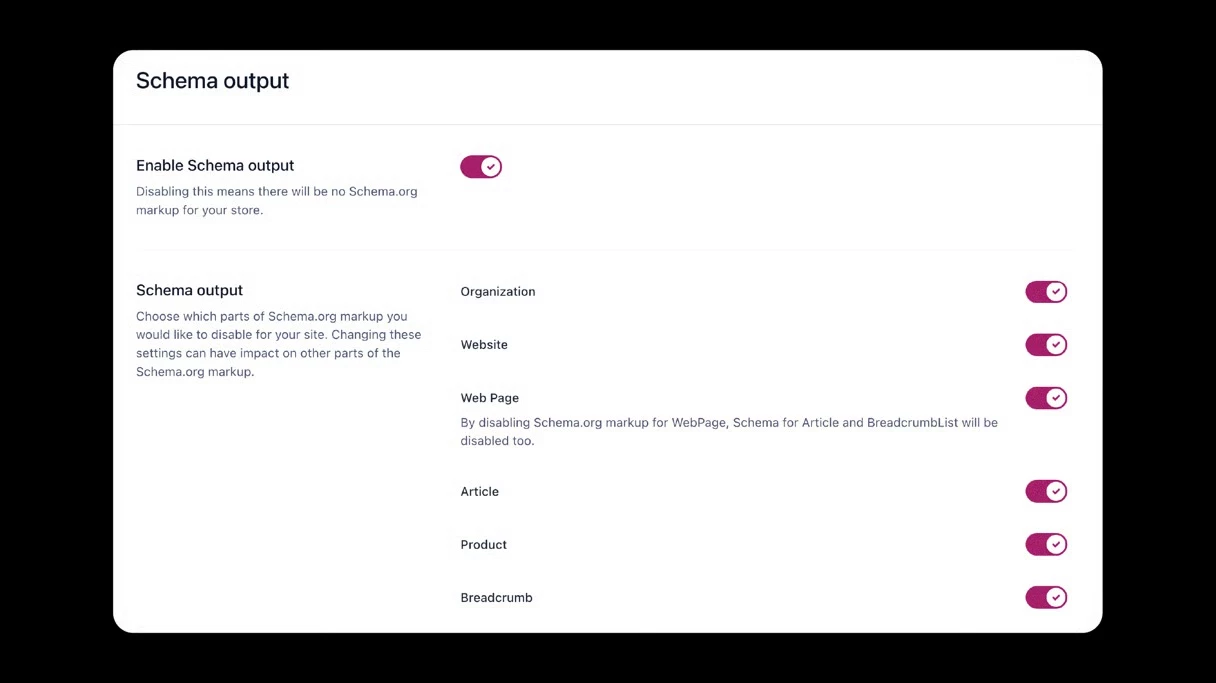
This approach helps merchants start strong.
More than that, they build lasting momentum, ensuring they fully leverage the app and continue to see meaningful results.
Yoast SEO for Shopify: FAQs
Why did Yoast redesign the onboarding experience?
Merchants were skipping critical steps during setup, which slowed results and led to early drop-offs. The redesign guides users more clearly and helps them see value from the start.
What were the biggest onboarding challenges?
Users struggled with direction rather than motivation. Large Shopify stores faced longer setup times, blank dashboards, and uncertainty about progress.
How did Yoast address different store sizes?
The team introduced loading indicators and email notifications to reassure users during longer setup times, reducing frustration and improving completion rates.
What role does continuous support play?
Yoast now puts emphasis on ongoing guidance, helping merchants keep improving their SEO and stay discoverable over time.
How does Yoast measure success?
KPIs, drop-off data, and user feedback guide improvements. The goal is to help merchants complete onboarding successfully and continue achieving results.