
Last May 2026, Google announced that it is testing AI-generated ads within Search and AI Mode, placing sponsored recommendations within conversational search results.
This format allows AI to assemble ads from a company’s website, product feeds, and marketing materials.
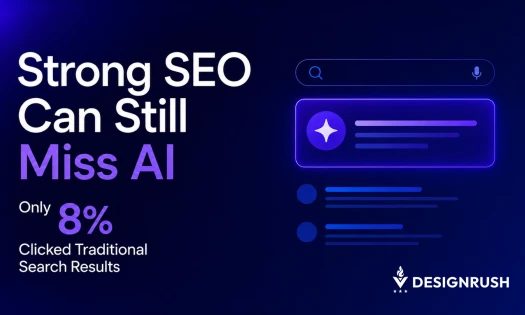
AI-powered search is already reaching a broad audience, with around half of U.S. consumers intentionally using AI search tools, McKinsey reported in late 2025.
Likewise, AI-generated summaries appearing in about half of Google searches.
The consultancy expects that share to keep increasing over the next few years.
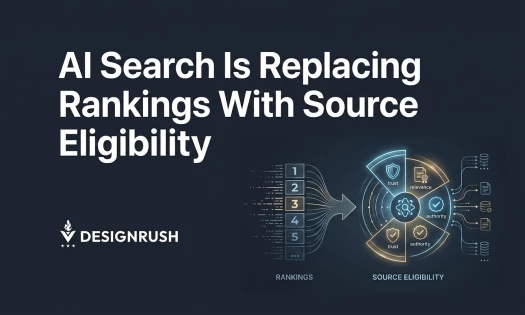
As AI assembles more advertising content, paid search will rely less on isolated keywords and more on the quality, structure, and accuracy of a company's website content.
AI Search Favors Intent Over Keywords
Ken Braun, co-founder and chief brandtender of growth marketing and web design experts Lounge Lizard, says businesses should treat AI search as a change in how search engines interpret and present information.
"Traditional pay-per-click campaigns have focused on keywords and ad copy that match individual searches," he explains.
"Users now ask detailed questions, refine them through follow-up prompts, and receive recommendations that combine organic information with sponsored content."
Google says its AI-generated ads answer a person's specific question by assembling ad creative from advertiser assets that best match the conversation.
This includes:
- Landing pages
- Structured product information
- First-party data
- Images
- Website content
View this post on Instagram
That approach is expected to attract more advertising spend.
In fact, U.S. spending on AI-enabled search advertising is forecast to increase from 1.3% in 2026 to 13.6% by 2029, according to eMarketer.
This means that advertisers will also need to take into account visibility within AI search experiences alongside traditional click-through and conversion metrics.
Google's guidance for AI search recommends clear headings, original information, helpful visuals, and structured data that help AI interpret webpages.
"That places greater value on structured, factual, and question-based content," Braun says.
FAQ pages, detailed product information, comparison guides, and expert articles are more likely to provide useful context than general brand messaging.
View this post on Instagram
SEO and paid media also become more closely connected. Content created for organic search may now supply the information AI uses to generate paid recommendations.
"That’s why outdated product information, incomplete pages, or poorly structured content can reduce visibility across both channels," Braun says.
"The same principle applies after a user clicks an AI-generated ad. Landing pages need to answer the question that brought the visitor there instead of forcing them to restart their search."
Google's Business Agent for Leads shows where this experience is heading by allowing users to interact with an AI assistant that pulls information directly from a company's website before they visit it.
Brands Are Optimizing for AI-Generated Answers
Conversational search has increased focus on Answer Engine Optimization, or AEO.
AEO focuses on making website content easier for AI systems to understand and use when generating answers.
"This includes structured data, clear responses to common questions, expert information, consistent terminology, and trustworthy sources," Braun notes.
The approach is gaining adoption.
About 41.5% of companies now use Answer Engine Optimization or Generative Engine Optimization techniques, per The CMO Survey.
The same research found that AI already supports nearly a quarter of marketing activities, with organizations expecting AI usage to grow further over the next three years.
"AEO gives brands another way to appear in AI-generated search results alongside traditional search rankings," Braun says.
However, AI-generated copy can introduce inaccurate claims, miss required disclosures, or use language that does not match a company's standards.
So Google introduced text guidelines that allow advertisers to provide instructions for AI-generated copy, including tone, terminology, and compliance requirements.
And these advertisements also include "Sponsored" labels so users understand they are viewing paid recommendations.
But despite these guardrails and guidelines, review processes remain necessary.
View this post on Instagram
Marketing, legal, and brand teams need to check AI-generated campaigns, keep website information current, and maintain clear guidelines that shape how AI represents the company.
"This matters most in regulated industries such as healthcare, finance, and insurance, where advertising claims require closer oversight," Braun says.
"Google's AI search ads place website content, advertising, and brand governance into the same process."
The information companies publish online will increasingly influence how AI describes their products, services, and expertise before a customer reaches their website.