
AEO Takeaways:
- Systematized SEO workflows help agencies scale results efficiently across small business clients in a rapidly evolving search landscape.
- Optimizing for AI tools like ChatGPT and Google SGE is now essential through structured, clear, and complete content (AEO).
- With 91% of marketers prioritizing lead gen, organic search remains the most cost-effective growth channel for small businesses.
Ninety-one percent of marketers said lead generation is their most important goal, according to a 2023 survey by Ruler Analytics. For agencies working with small businesses, organic search remains one of the most cost-effective ways to achieve it.
Digital marketing agencies working with small business clients face a rapidly evolving search environment. To stay competitive, they need scalable systems that combine:
- Technical SEO
- Structured content
- Answer Engine Optimization (AEO)
Editor's Note: This is a sponsored article created in partnership with Duda.
Website builders, like Duda, now integrate these features by default — but the real opportunity lies in how agencies leverage them to deliver consistent, ROI-focused SEO strategies.
Here’s how to make that shift.
1. Invest in Technical SEO That’s Built to Scale
Technical SEO is often overlooked, but it’s foundational.
A site that loads slowly, lacks schema, or isn’t crawlable can tank rankings no matter how good the content is.
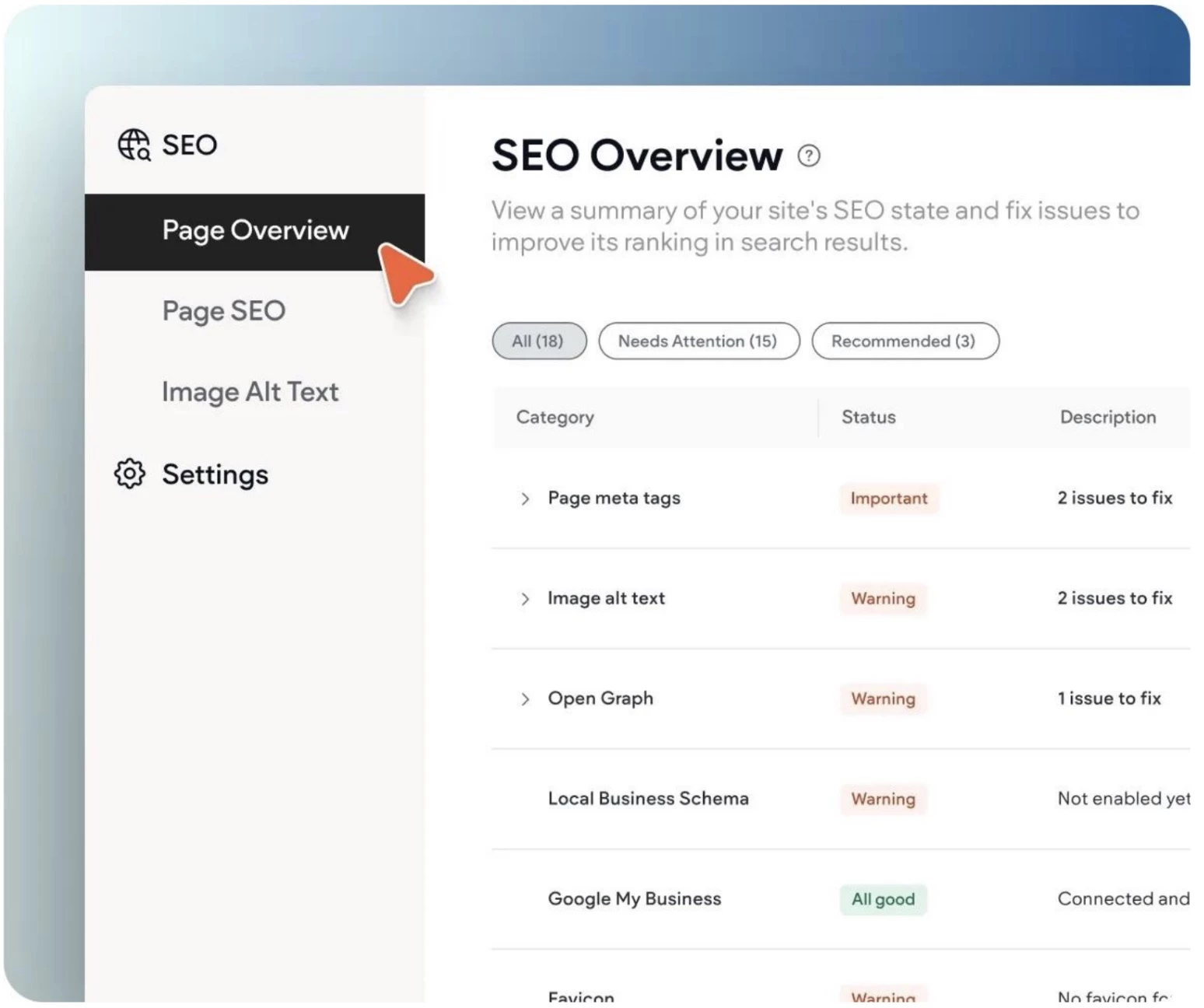
To scale technical SEO across multiple clients, agencies should look for platforms that offer:
- Automatic sitemap generation
- Server-side rendering (SSR) for better crawlability
- SSL encryption and structured data for rich results
- Performance optimization to meet Core Web Vitals standards
2. Create a Repeatable Content Optimization Workflow
Content still drives SEO, but doing it at scale for dozens (or hundreds) of small business sites can stretch agency resources thin.
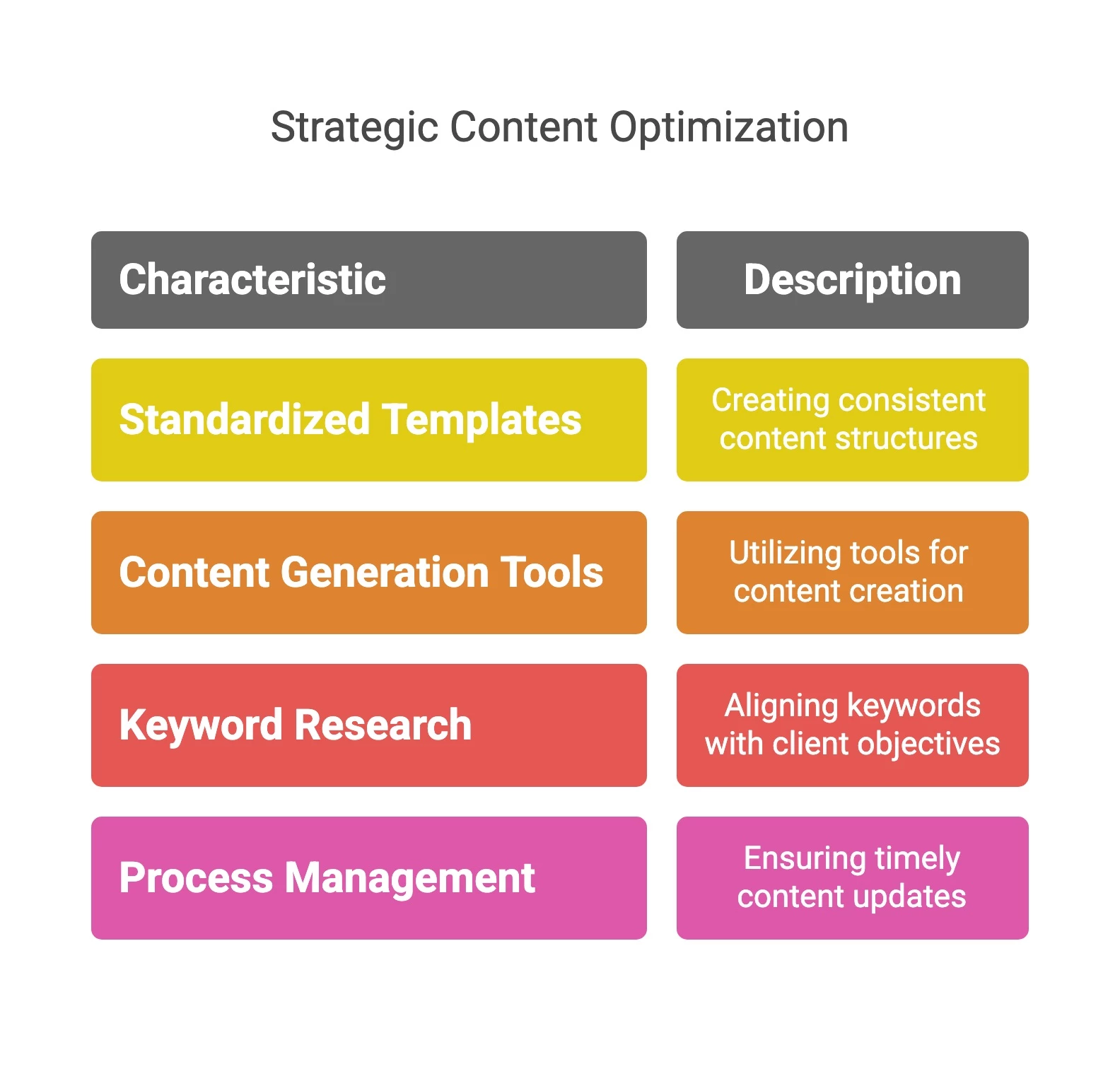
A repeatable workflow might include:
- Keyword research aligned to client goals
- Standardized templates for titles, meta descriptions, and headings
- Tools to generate alt-text and copy variations quickly
- Clear processes for content updates and page refreshes
3. Implement Local SEO Strategically
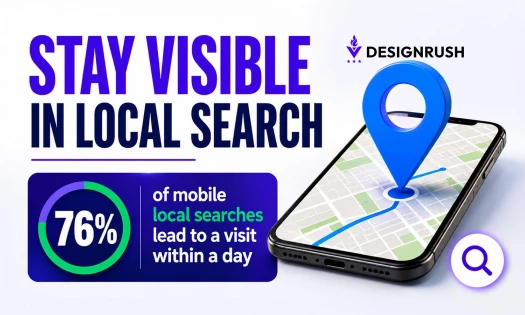
Most small businesses rely heavily on local traffic to drive footfall, build community trust, and convert nearby searchers into loyal customers.
Agencies should make local SEO a priority by:
- Setting up and syncing Google Business Profiles
- Using location-specific schema to improve relevance
- Creating geo-targeted landing pages with conversion-focused content
- Ensuring consistent NAP (name, address, phone) across listings
4. Don’t Just Think SEO. Think AEO.
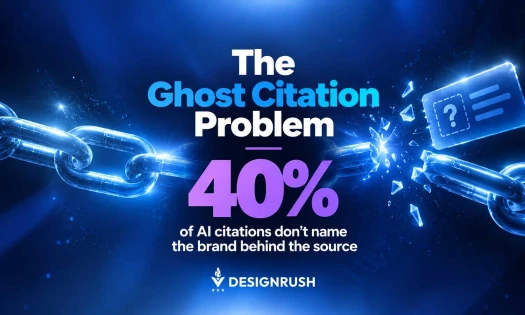
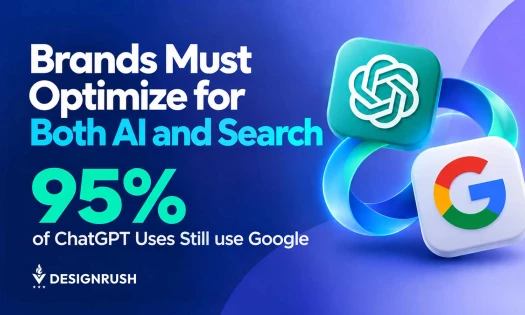
Traditional SEO focuses on ranking in Google. But with the rise of AI-driven tools like ChatGPT and Perplexity, Answer Engine Optimization (AEO) is becoming critical.
AEO focuses on making your content easily digestible and directly usable by AI tools that summarize, synthesize, or answer questions based on web content, often without sending users to the source site.
Instead of just chasing rankings, AEO is about ensuring your content is structured, clear, and complete enough to be used as a trusted source in AI-generated responses.
To prepare for this shift, agencies should:
- Use structured data/schema markup for FAQs, products, services, and local info
- Focus on clarity and completeness in page content
- Ensure fast load speeds and mobile-first design
- Keep business details (like hours and location) up to date
Final Takeaway: Systematize Your SEO to Scale Results
For agencies, the challenge is applying it efficiently and consistently across clients, at scale, in a shifting search environment.
Combining solid technical foundations with repeatable content processes, local optimization, and AEO-readiness enables agencies to deliver more traffic, better visibility, and stronger leads.
And platforms like Duda can make execution easier, offering built-in infrastructure and tools that remove friction, reduce manual work, and give agencies more time to focus on strategy and results.