
Google AI Overviews: Key Points
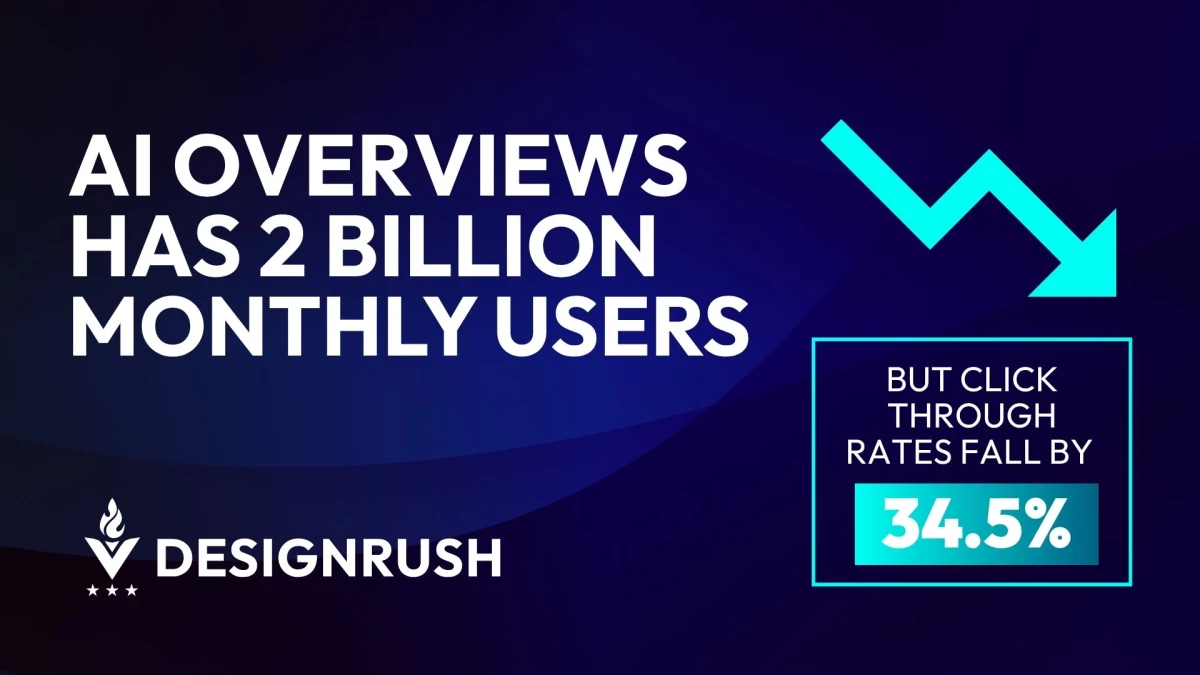
- Google AI Overviews now reach 2 billion monthly users, roughly 25% of the global population.
- AI Overviews reduce click-through rates by 34.5% for top-ranked results, creating major risks for brand visibility.
- To stay discoverable, brands must optimize structured data, strengthen authority signals, and ensure consistency across every customer touchpoint.
Google CEO Sundar Pichai announced that AI Overviews have now reached 2 billion monthly users worldwide. This figure is up from 1.5 billion in May 2025.
To put that into perspective, 2 billion users account for approximately 25% of the estimated global population of 8.2 billion.
The company has also shared that AI Overviews were driving over 10% more search queries, particularly for the types of searches that show AI Overviews.
In his Google blog post, Pichai reflected on the transformative impact of AI on user behavior:
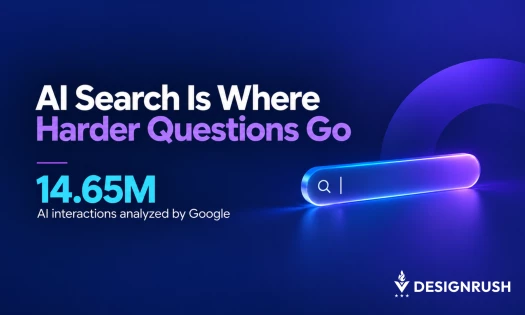
“We see AI powering an expansion in how people are searching for and accessing information, unlocking completely new kinds of questions you can ask Google.
Overall queries and commercial queries on Search continued to grow year over year. And our new AI experiences significantly contributed to this increase in usage.
We are also seeing that our AI features cause users to search more as they learn that Search can meet more of their needs. That’s especially true for younger users,” he wrote.
Pichai also announced that AI Mode grew to over 100 million monthly active users.
The milestones reflect a new reality for search and how information is consumed online, as more people are receiving answers to their queries directly from Google, instead of the traditional clicks.
As incredible as this adoption rate has been for Google, it has left many brands wondering what this shift in search behavior means for their digital visibility.
“It’s no longer a question of how AI will disrupt search. It’s already done that. The pressing issue is how companies can remain discoverable to users now that their digital front door has been moved even further down the SERPs,” said Jeff Finkelstein, Founder of Customer Paradigm, an award-winning SEO and eCommerce agency.
The Risks to Brand Visibility
AI Overviews promised convenience to users, but it unintentionally introduced new risks for brands.
As users now receive answers directly from AI Overviews, there’s now less incentive to scroll past the AI-generated answers, let alone actually visit websites.
This scenario leads to significant reductions in clicks, traffic, and visibility.
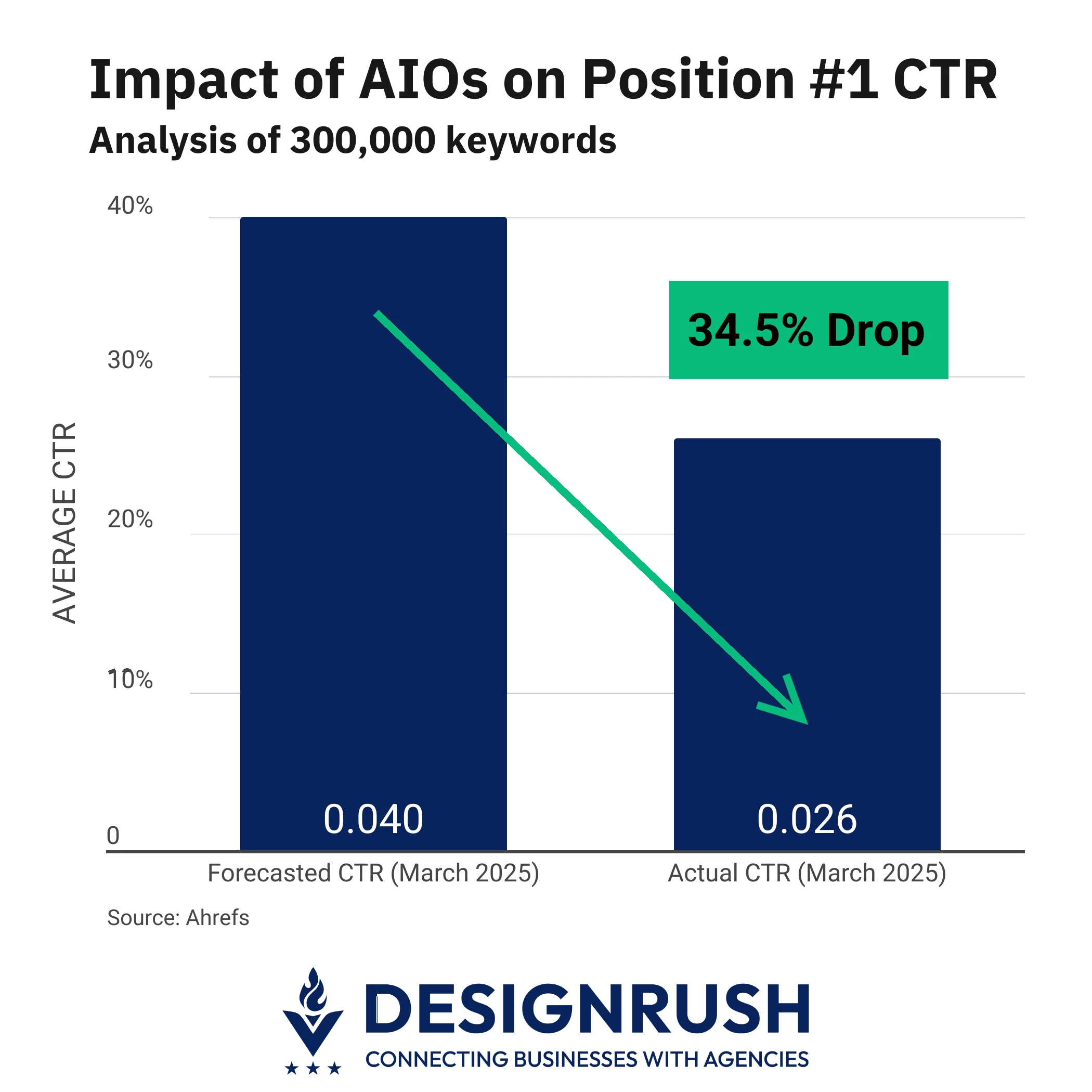
In fact, a study from Ahrefs showed that the presence of AI Overviews actually led to a 34.5% lower CTR for the top-ranked search result when compared to similar queries that did not produce AI Overviews.
This shift creates two dangers:
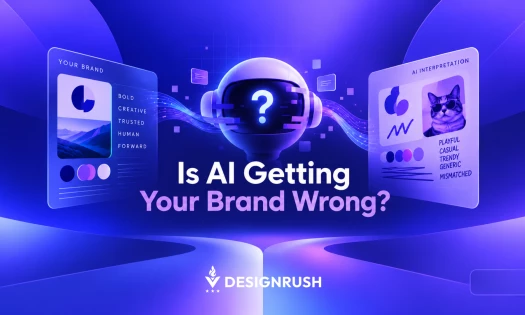
- Omission: If an AI system fails to reference a brand, the opportunity to influence a customer is lost before the buyer even begins to compare options.
- Distortion: When a summary presents inaccurate or incomplete information, a company may find its products misrepresented without any clear recourse.
The dynamics of competition are also changing.
Traditional search relied heavily on keyword ranking and backlink strategies. Now, signals of authority such as structured data, entity clarity, and cited expertise often determine who appears in AI outputs.
This means brands must gain a keen understanding of how to speak fluently in the machine-readable language of discovery.
How Brands Should Adapt to AI-First Search
1. Prioritize AI Readability
Structured markup, schema, and context-rich metadata make products legible to machines. Regular audits of catalogs and content libraries help catch missing attributes, broken schema, or ambiguous descriptions.
Leaders who treat product information with the same rigor as financial disclosures position their companies to remain visible in AI-first environments.
2. Strengthen Authority Signals
AI platforms reward brands that look like trusted references. Verified reviews, authoritative bylines, and credible backlinks carry more weight than keyword repetition.
Building authority requires publishing substantive insights, collaborating with respected industry figures, and securing coverage in reputable outlets.
In practice, this is less about visibility tricks and more about building the kind of reputation algorithms are designed to respect.
3. Build Omni-Channel Consistency
AI recommendations collapse instantly if the user’s click leads to a contradictory or confusing page. Landing pages, product descriptions, and customer policies must align with the expectations set in the Overview.
Running “AI journey audits” can expose gaps between machine-generated promises and human-facing experiences.
Consistency here not only preserves trust but creates the conditions for loyalty beyond the first click.
4. Monitor and Manage AI Overviews
AI summaries have become a new form of reputation management. Just as companies track brand sentiment on social media, they now need to watch how they’re portrayed in AI-generated answers.
Correcting omissions or distortions often requires tightening the underlying data, adding structured references, and giving AI fresh material to cite.
Put AI Discovery on the Executive Agenda
Treating AI visibility as optional is like showing up to an election and refusing to campaign. The votes will still be cast, just not for you.
In other words, brands that delay how they adapt risk having their identity written for them by competitors, or worse, by an algorithm drawing from incomplete information.
Meanwhile, companies that treat AI visibility as a core part of their SEO strategy will position themselves to shape the conversation rather than be shaped by it.
Because in a marketplace where machines now whisper the answers into billions of ears, the real winners will be the brands they can’t stop talking about.