
Data-Driven Marketing: Key Findings
- Zero-party data strategies build trust and drive performance by prioritizing consent and transparency.
- Contextual targeting and ethical segmentation outperform over-personalization.
- Scalable survey tools and clean identity graphs help teams move from insights to real-time action.
Marketing personalization has become table stakes, but with it comes a growing trust gap.
That’s because today’s consumers expect both relevance and transparency.
In fact, 71% of U.S. consumers are concerned about how brands collect and use their personal data. Meanwhile, 34% say they don’t trust tech companies with their digital privacy, according to an ExpressVPN survey reported by Marketing Dive.
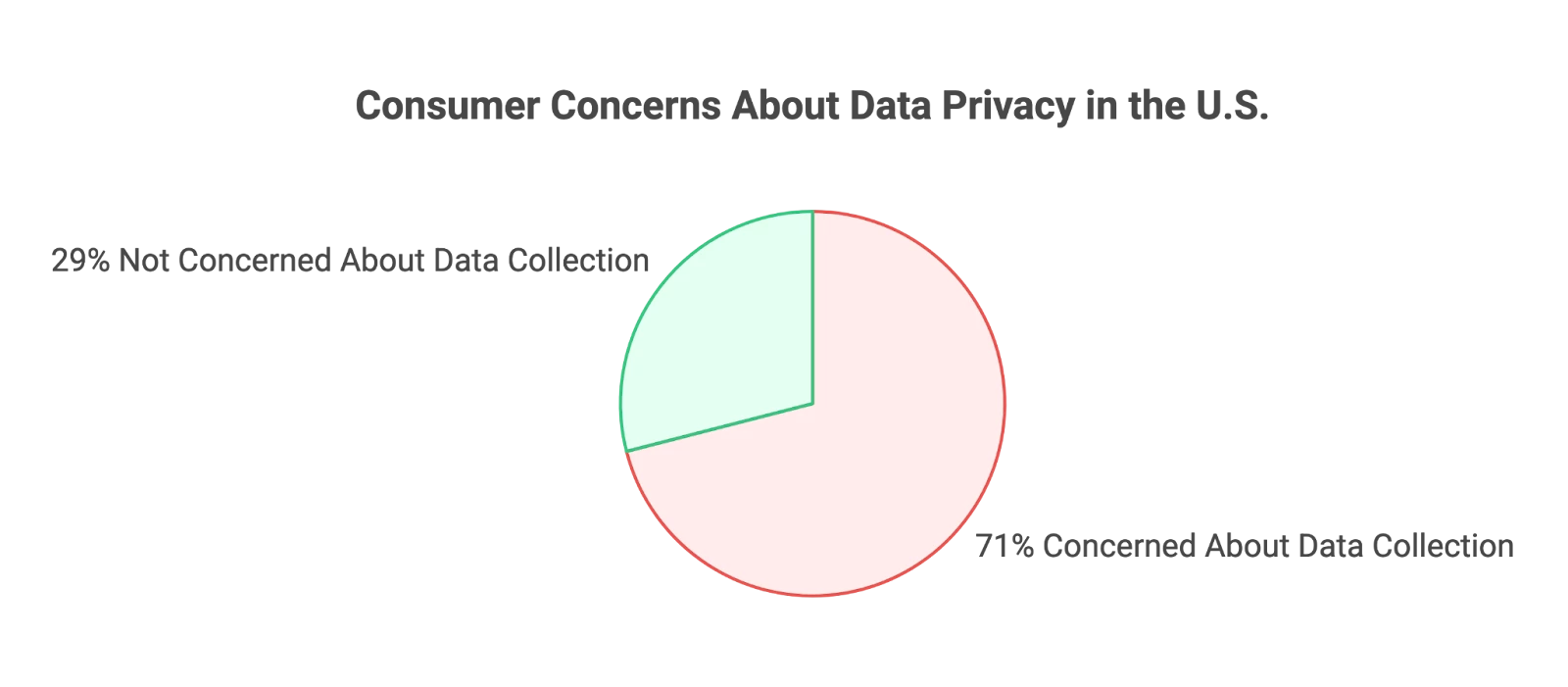
That trust gap can hurt performance.
The challenge for brands now isn’t just reaching the right audience. It’s doing so ethically, earning consent, preserving context, and respecting the customer.
That’s where Syno International comes in.
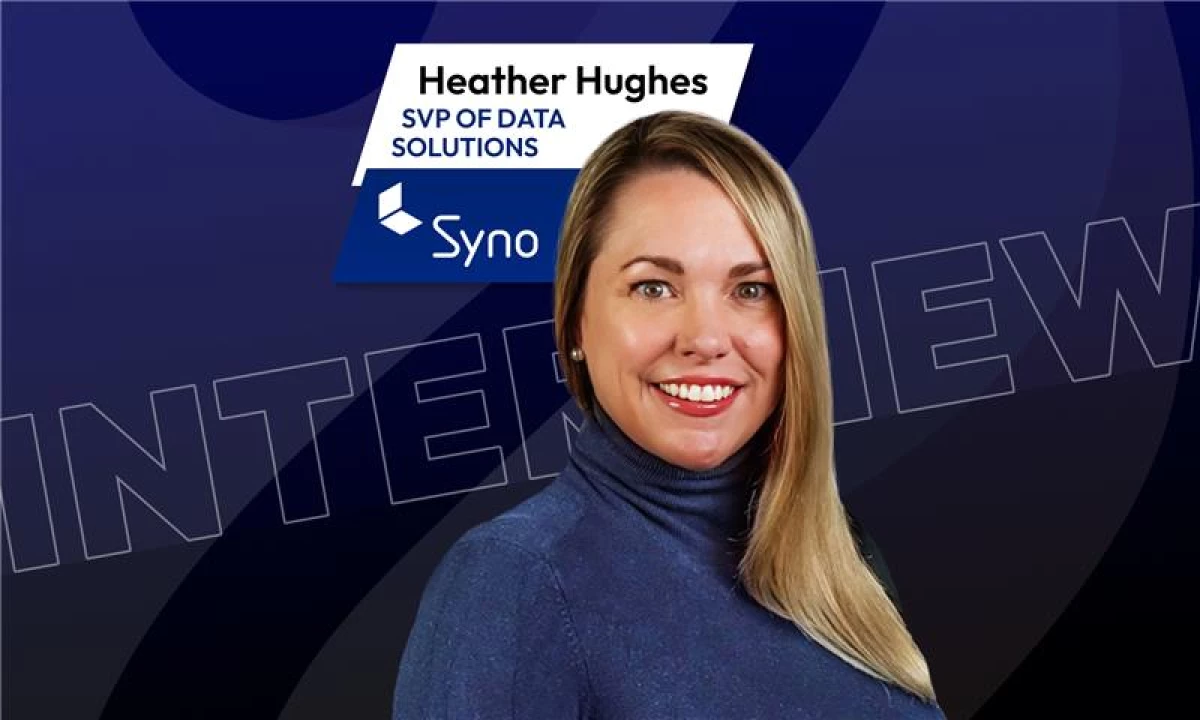
I spoke with Heather Hughes, SVP of data solutions at Syno, about how her team is helping brands shift from over-personalization to zero-party data strategies, creating marketing that’s smarter, more respectful, and more effective.

Who Is Heather Hughes?
Heather Hughes is the SVP of Data Solutions at Syno International, where she leads innovation in privacy-first personalization. She previously managed global data strategies at Cint and led digital transformation initiatives at Omnicom Public Relations Group. With decades of experience in data-driven marketing, Heather helps brands translate insight into action — without compromising ethics.
From building trust through consent to making real-time personalization possible, here are five ways zero-party data can help brands create more human, high-performing marketing strategies without crossing ethical lines.
1. Treat Data as a Two-Way Relationship
Many brands still treat data as something to extract. But the most successful ones treat it as a two-way relationship — something to cultivate through value exchange and consent.
And that mindset shift is foundational to Syno’s approach.
“Too often, companies adopt data tools without aligning them to a clear business objective,” Heather says.
“Technology becomes the focus instead of the customer, leading to expensive systems that deliver little strategic value.”
Instead of over-relying on third-party or even first-party data, more teams are now building systems around zero-party data: information customers voluntarily provide in exchange for more relevant experiences.
“Our platform is built to exceed GDPR and other global standards, ensuring data is collected ethically, stored securely, and used responsibly,” she adds.
“The balance comes when personalization isn’t something done to people, but something created with them.”
2. Deliver Personalized Messages in the Right Context
A tailored message means little if it reaches a user at the wrong time or in the wrong channel.
That’s why Heather says the missing ingredient in many personalization strategies is context, not data.
“Leaders often think personalization stops at targeting the right message to the audience. But unless you can contextualize that message in the right moment and channel, it underdelivers,” Heather says.
Real-time feedback loops and identity graphs can help teams understand not just who their audience is, but what they need and when.
That level of insight makes campaigns feel timely and intentional, not intrusive or irrelevant.
3. Use Zero-Party Data Tools That Turn Insight Into Action
Most data dashboards tell you what happened. Few help you decide what to do next.
That’s why Syno has built a suite of tools designed to power real-world decision-making, not just reporting.
“We’re not just surfacing metrics — we’re helping clients act on them.” Heather says.
Here’s how their platform delivers clarity at scale:
- Zero-Party Data Collection – Direct customer profiling and preferences from opt-in surveys
- Flexible Survey Workflows – Embedded touchpoints that collect insight continuously, not just during campaigns
- Integrated Identity Graphs – Clean, cross-channel profiles that enable relevant, real-time messaging
- Audience Segmentation Tools – Fast segment building for tailored targeting
- Focused Reporting Dashboards – Power BI visualizations tied to strategic goals
“On running a project for a niche vertical, it was interesting that the people who had heard of the client but had not worked with them over-indexed than their actual clients,” Heather adds.
That insight helped a brand discover its best-performing leads weren’t current users; they were familiar with the company but hadn’t yet converted.
The team used that learning to reshape its segmentation strategy.
They created a new audience segment focused on high-familiarity, low-conversion users and adjusted their outreach accordingly by:
- Simplifying onboarding flows
- Clarifying key value props
- Testing lower-friction calls-to-action
These steps allowed them to meet interested leads with the right message at the right time, ultimately increasing conversion from an often-overlooked group.
4. Build a Connected Ecosystem
The future of personalization isn’t about one-off messages.
It’s about building adaptive ecosystems where every brand interaction feels considered and coherent.
“Personalization will move from campaign-driven to ecosystem-driven,” Heather explains.
“It’s not just about what you say — it’s about how every action feels crafted and continuously responsive.”
That kind of responsiveness requires consistent frameworks that evolve with the customer.
“Data drives decisions, but humans guide the strategy,” she adds. “That’s why we’re investing in adaptive consent systems that allow in-the-moment personalization — done ethically and transparently.”
5. Give Smaller Teams the Tools to Scale Ethical Personalization
Personalization isn’t just for big companies. With the right tools, even small and mid-sized teams can scale ethical, data-driven strategies.
“Even small teams can use our survey workflows and segmentation tools to create personalization programs that are scalable and responsible,” Heather says.
Modular platforms and plug-and-play structures make it easier for resource-constrained teams to stay competitive without compromising on values or trust.
Ethical Personalization is the Next Competitive Edge
The days of blindly collecting behavioral data are numbered.
As consumers become more privacy-aware, the brands that succeed will be the ones that personalize with their audience, not at them.
Aligning business goals with ethical data practices enables marketers to build smarter systems — ones that are not just effective, but also human, sustainable, and future-ready.
Ethical Personalization and Zero-Party Data FAQs
1. What’s the difference between zero-party and first-party data?
Zero-party data is shared directly by the customer; first-party data is collected through observed behavior.
2. How do I collect zero-party data without disrupting the experience?
Embed short, relevant questions into key touchpoints like sign-ups or post-purchase flows.
3. Can small teams implement zero-party data strategies?
Yes. Modular tools make it easy to start small and scale personalization over time.
4. Is zero-party data enough for personalization?
It’s a strong foundation, but combining it with context and timing makes it more effective.
5. How does ethical personalization affect business performance?
It builds trust, improves engagement, and drives long-term loyalty without risking compliance.