
A founder came to us recently with an app he'd built himself in Base44, a prompt-based app builder. He called it fully functioning, and on the screen, it kind of was.
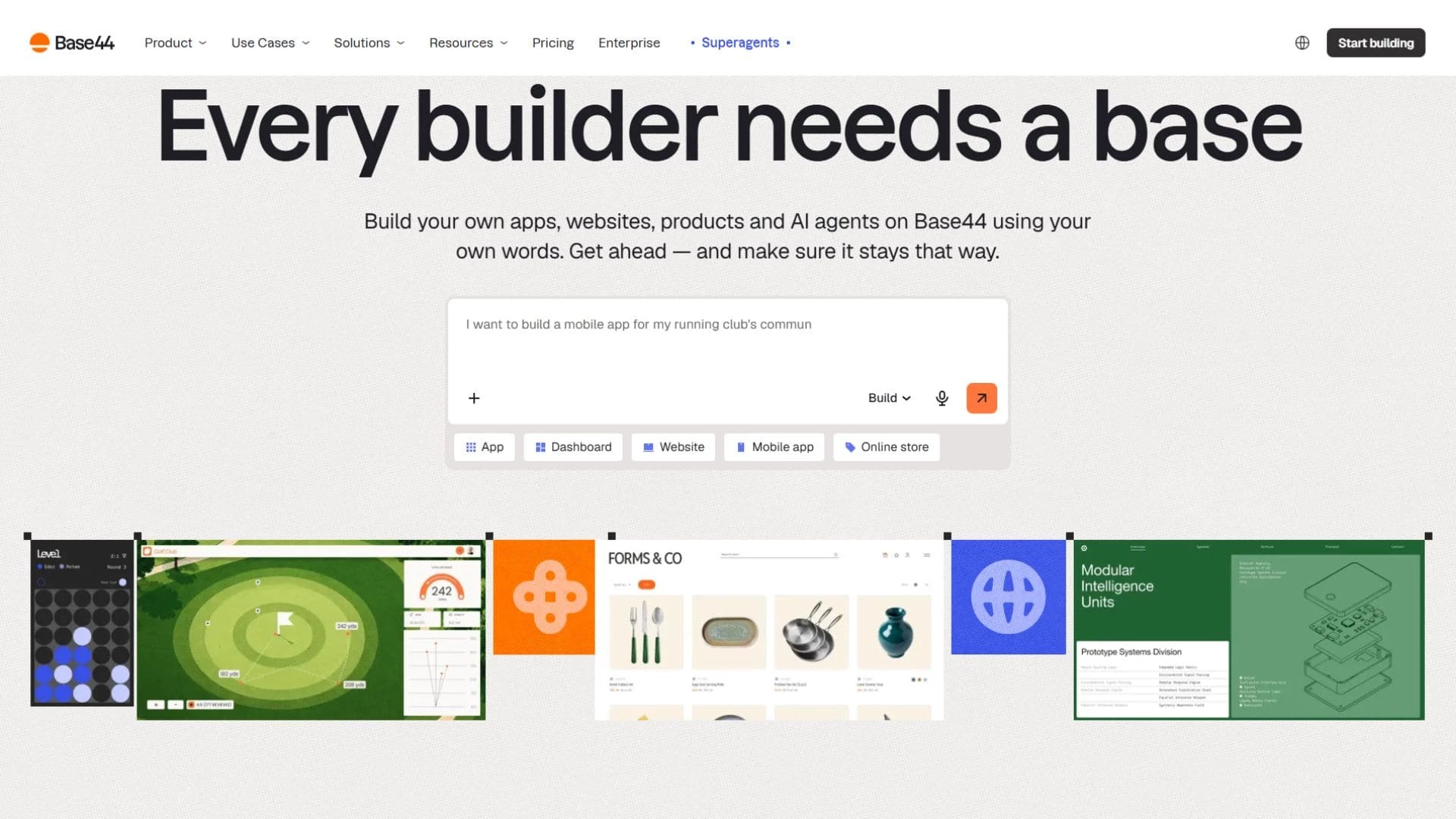
It was a faith-based community app, built around Bible verses and community features. He'd put it together in about five days.
What he needed from us at Doodle N Dash was a professional team to get it onto the Play Store and the App Store.
Once he shared everything, it was clear what we were looking at. This was an app built from a founder's point of view, meaning built to show that the idea works.
That's a good thing to have. It's also a different thing from an app that's ready for real people.
Demo Shortcuts Leave AI-Built Apps Vulnerable
There were placeholders all over the founder’s Base44 app. Keys sitting right in the code. Test logins still in place. None of that is a knock on the founder.
Those are exactly the shortcuts you take when the goal is getting something working on a screen as fast as possible.
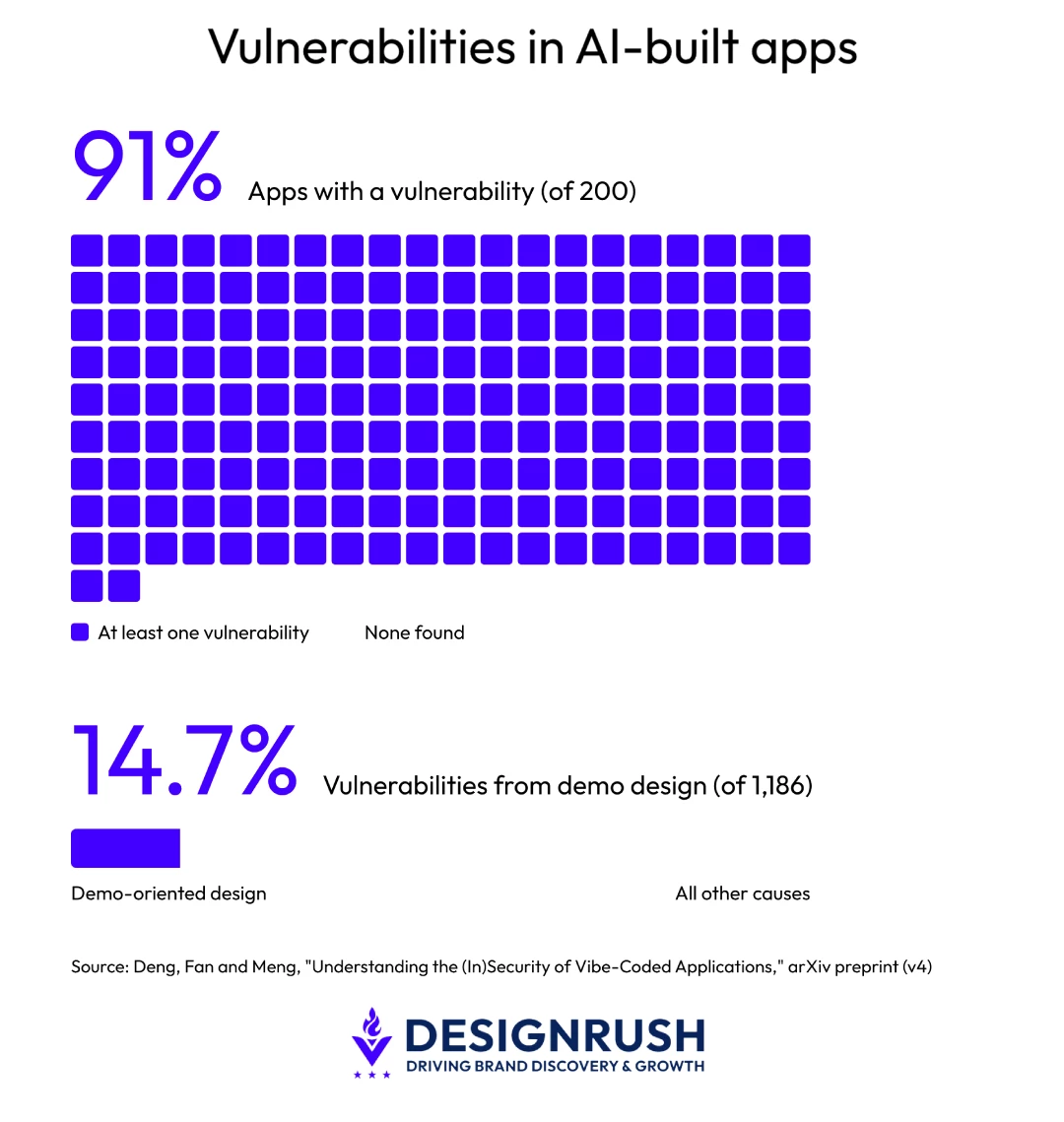
The founder's app fits a wider pattern in AI-built software. In fact, a preprint audit of 200 live apps built with Claude Code and Lovable found at least one vulnerability in 91% of them.
Demo-oriented design, such as placeholder authorization logic, accounts for 14.7% of the 1,186 vulnerabilities found, according to the study’s authors.
 Hidden Shortcuts Made the Rebuild the Faster Path
We also found a bigger problem. A lot of what had been built would never make it through Apple's or Google's app review, and the payment setup had the same issue.
So we did a detailed review and then had to make a real call. Clean up what exists, or rebuild with the right scope? Cleaning it up would have taken longer than rebuilding it.
That surprises people, but fixing someone else's shortcuts means finding every one of them first, and the ones you miss are the ones that matter.
We kept some of the basic libraries and the foundation setup, and rebuilt everything else ourselves.
A Working Demo Differs From a Launch-Ready App
The rebuild cost time, and the client felt it. He'd made his version in five days. Ours took three weeks just to get to a beta he could review before deployment.
He was frustrated, and I understood why. From where he sat, the app already existed.
In those conversations, our job was to explain what we were actually doing and why a working demo and a launch-ready app are two different products.
Once he saw what was behind the surface, the conversation got easier.
The app passed review and is live now. The part I like most is what happened next.
Engineers Still Own the Back End of AI-Built Apps
The client is already using Base44 to sketch out what he wants in version 2, and he's asked us to build it.
He still uses the tool he started with, just for what it does well. It gets an idea in front of people fast. That's a healthy way to work with it.
We at Doodle N Dash use AI coding tools ourselves, including Cursor and Claude Code, and they save us real time, especially on the front end.
What used to take weeks of design and revision now moves much faster. But the back end is different.
Our engineers and QA still do the slow, careful work on the logic, the permissions, and how keys and customer data are handled. We won't speed that part up.
AI-Built Apps Need Extra Work Before Real Users
If you're a brand or agency testing an AI-built tool, here's what I'd take from this. A prototype that works proves the idea.
It doesn't prove the app is safe to put in front of real users, and it won't necessarily get past an app store.
Plan for a last stretch of work between the two, and expect it to take longer than the build did.