
Video marketers have never used AI editing tools this much. In fact, 63% now depend on them to create or edit marketing video content, per Wyzowl's 2026 State of Video Marketing report.
However, the level of satisfaction with the outcomes has lagged. The share reporting a good ROI from video fell from 93% to 82% in the same period.
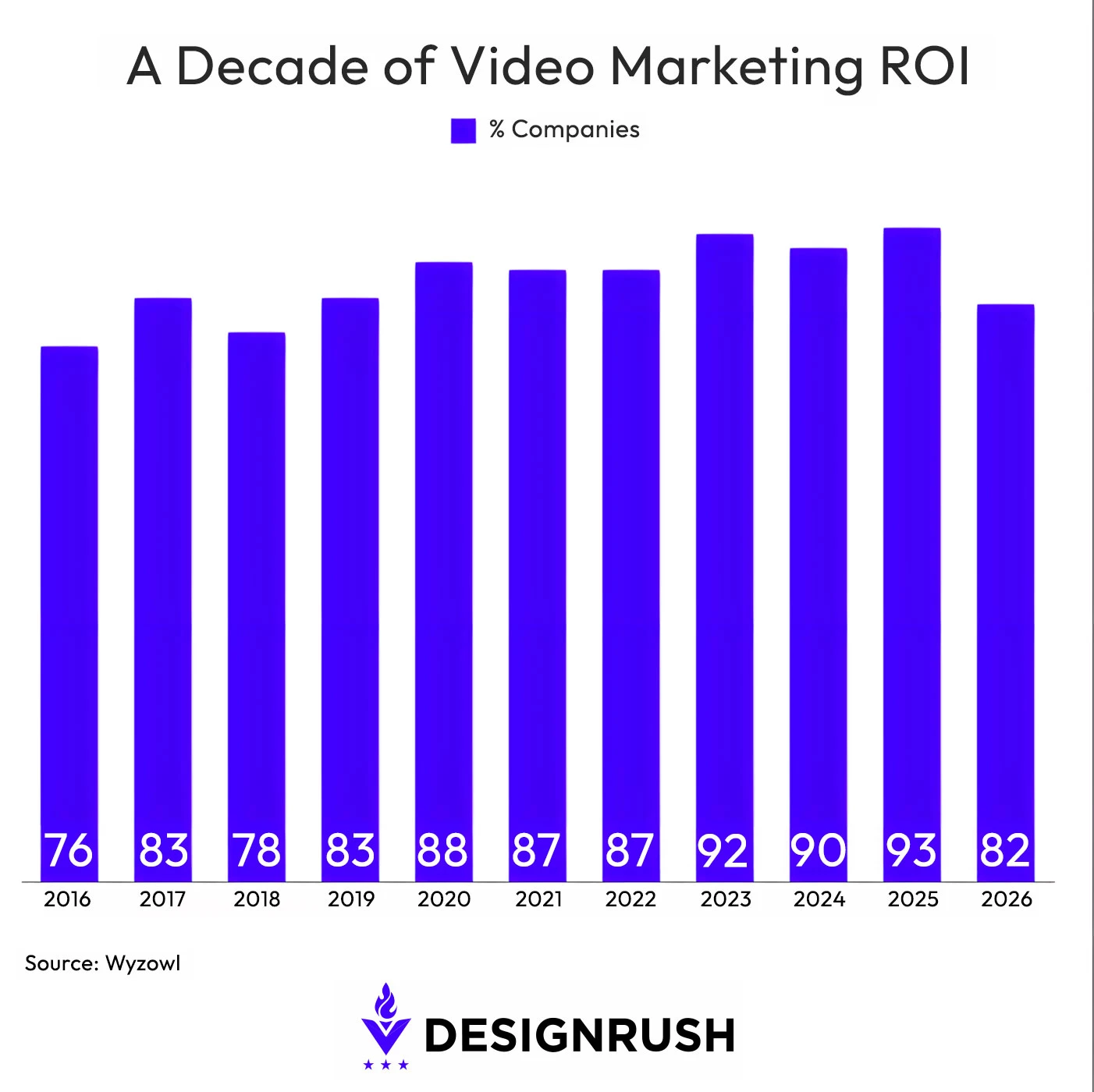 That implies more teams are producing AI-assisted video, and fewer are happy with the results.
Amelia Glynn, head of affiliate and creator at Descript, an AI-powered video editing platform, argues that the difference comes down to rethinking the workflow.
In this DesignRush interview, she breaks down where that rethinking really happens, from the first rough cut to the review process that holds it all together.

Who Is Amelia Glynn?
Amelia built her career in influencer and affiliate marketing. She went on to lead influencer and creator strategy at Acceleration Partners, where she ran a team of 50+ people and turned a struggling division into a profitable one. Within two years, revenue grew by 83%. That mix of team leadership and financial ownership shapes how she works now.
At Descript, she heads affiliate and creator, running programs across Meta, TikTok, YouTube, Instagram, and affiliate channels while keeping a close eye on forecasting and margins, so she knows when a partner’s spend is actually paying off.
Where the Real Time Savings Start
Most teams that add AI tools apply them to the same editing process they already had.
Glynn says the teams seeing real gains changed the process itself, starting with the earliest and most repetitive stage.
"The biggest time savings happen at the start of the editing process, in transcription, removing filler words, and getting to a rough cut," she says.
"Those are repetitive tasks that used to take hours."
Editing by transcript instead of a traditional timeline changes who can do that work in the first place.
A rough cut that used to require a trained editor now takes someone with no editing background at all.
Speed Changes Who Gets to Edit
The 50-70% editing-time reduction Glynn cites is not just a productivity number. It shifts those who are allowed to touch a video project.
"Cutting editing time by 50 to 70% means projects that used to take days can often be finished in hours," she says.
That speed opens video creation beyond dedicated production teams.
Marketers, communications staff, and enablement managers can produce their own videos, which removes the queue that used to sit between a request and a finished asset.
Repurposing Has to Be Designed In
Teams that treat repurposing as an afterthought lose most of the value in a piece of long-form content. Glynn says the teams doing it well build the repurposing plan before recording starts.
"Teams are building repurposing into their workflow from the start," she adds.
“One webinar or executive interview can quickly become LinkedIn clips, social videos, internal training content, and more."
That instinct matches where the return actually sits.
Short-form video ranks as the highest-ROI content format, cited by 49% of marketers in HubSpot's 2026 State of Marketing report.
A single interview cut into five or six short clips carries that advantage across each one, instead of sitting unused after a single webinar airs.
More Creators Mean More Risk to Brand Consistency
Rebuilding the workflow to let more people create video introduces a new problem. More contributors mean more chances for something to drift off-brand.
"The teams that scale successfully still have strong review processes," Glynn says.
"They use templates, approval workflows, and role-based permissions to keep content consistent while giving more people the ability to create."
The workflow change is not just about who can create.
It is about building the review layer that catches problems before they publish, which is the part most teams skip when they only add a tool.
What Separates the Teams That Scale
Asked what separates enterprise teams that operationalize AI video from those that stall, Glynn points to two habits.
"They make it easy for non-editors to create content, establish clear review processes, and start with high-volume content like social clips or internal communications before expanding further," she says.
Teams that struggle try to fit AI into a process that was never built for this volume or this many contributors.
Glynn's view is that the technology helps, but the biggest gains come from giving teams the confidence and workflows to create content more efficiently.
That confidence gets built the same way the workflow itself gets rebuilt, one review cycle and one non-editor's first successful cut at a time.