
Disability Inclusion in Business: Key Findings
- 56% of workplace accommodations cost nothing and benefit everyone.
- Designing for disability often sparks innovations that improve customer experiences.
- Companies that embrace accessibility attract talent, build trust, and outperform their peers.
Disability inclusion isn’t a charitable side project. Instead, it’s a $13 trillion economic opportunity and one of the most overlooked drivers of innovation, culture, and long-term business growth.
Companies that lead in disability inclusion outperform peers with 1.6x more revenue and 2x higher profit margins, according to Accenture.
Yet many organizations still view accommodations as costly or unnecessary.
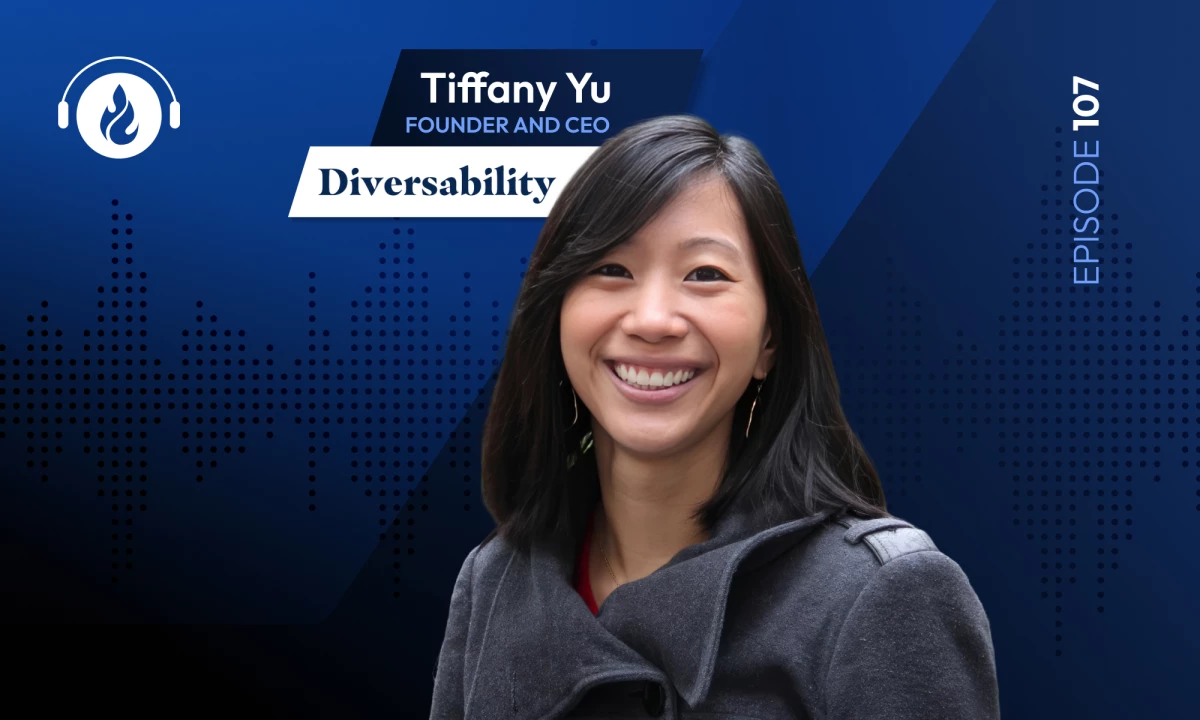
In this episode of the DesignRush Podcast, Tiffany Yu, author of The Anti-Ableist Manifesto and founder of Diversability, explains why she's working to change that narrative.
Yu unpacks why inclusion should be treated as a core business strategy and how companies can embed it into culture, hiring, and leadership.
Chapter Summary
- 5:00 – 3 Actions Companies Can Take
- 10:00 – Tech & AI as Equalizers
- 16:00 – Hiring & Design Lessons
- 27:00 – Role of Agencies
- 35:05 – Choosing Partners
Listen now on YouTube or Spotify and Apple Podcasts.
Disability Pride and Workplace Culture
Yu describes the cultural shift she calls the “shame to pride transformation.”
Many disabled employees feel pressure to hide their identities, but when companies create safe, inclusive environments, those same employees often become their most powerful advocates.
“Supporting our community in what we call the shame to pride transformation… longtime lurkers are now proud advocates and ready to share their stories,” she says.
This transformation impacts individuals and strengthens culture, loyalty, and authentic brand storytelling.
Low-Cost Accommodations That Boost Productivity
One of the biggest myths in the workplace is that accommodations are expensive or difficult to implement. Research shows otherwise.
“People think accommodations are high tech or really difficult to implement when research has shown that 56%… cost $0,” Yu shares.
Something as small as adding captions to video calls, adjusting schedules, or offering ergonomic setups can remove barriers not just for disabled employees, but for everyone.
Inclusion as Innovation Driver
When companies design for disability, they often discover innovations that benefit the wider market. It’s what Yu calls the “curb cut effect.”
Walmart is a case in point.
By piloting sensory-friendly shopping hours with dimmed lights and reduced noise, they created a more comfortable experience for neurodiverse shoppers and found it improved the experience for parents, seniors, and many others.
Inclusion, done right, leads directly to better customer experiences.
Disability Leadership and the Future of Work
Yu argues that disability inclusion can’t stop at hiring. Companies need leadership pipelines that elevate disabled professionals into decision-making roles.
Without that, inclusion risks becoming tokenism.
Technology also plays a key role. With AI reshaping the workplace, Yu sees both risk and opportunity.
“Tech enhances accessibility and has an opportunity to create more opportunities within the disability community,” Yu says.
The challenge for leaders: ensure AI eliminates barriers instead of creating new ones.
Why Disability Inclusion Is a Business Strategy
For Yu, inclusion is about competitiveness.
“There is a business case for disability inclusion… the disability market as a consumer market globally is over $13 trillion,” she says.
Companies that invest in accessibility attract talent, increase retention, and open doors to vast new markets. Those who ignore it risk falling behind.
This, of course, isn't limited to internal operations. Accessibility is also an effective move for the customer-facing side of operations.
On the side of eCommerce, for example, having an accessible site is more than just compliance with the Americans with Disabilities Act (ADA).
It's also a powerful signal of brand values, one that resonates deeply with consumers, says Caleb Bradley, CEO and founder of enterprise eCommerce agency Bighorn Web Solutions:
"Making accessibility a core part of digital strategy shows customers that inclusivity is not an afterthought but a principle the brand stands by. This approach builds credibility in the market and fosters loyalty among diverse audiences who want to know they are shopping with companies that genuinely care."

About Tiffany Yu
Tiffany Yu is the founder and CEO of Diversability®, a disabled-run, disabled-led social enterprise dedicated to elevating disability pride. She is the author of The Anti-Ableist Manifesto (Hachette Go, 2024), a 3x TEDx speaker, USA Para Climbing athlete, and Forbes Accessibility 100 honoree. She has been featured in Forbes, The Guardian, Marie Claire, and The Wall Street Journal.
Why Accessibility-First Companies Win Long Term
Disability inclusion is a strategic imperative.
From low-cost accommodations to innovations like sensory-friendly hours, the companies that embrace accessibility are the ones best positioned to thrive in the future of work.
Digital-first companies still need to prioritize compliance. To make sure your online services are accessible to people with disabilities, check out our guide to ADA compliance.
Watch the full episode on YouTube or listen on Spotify and Apple Podcasts.