
The future is neuroinclusive. The question is; are you ready to rise with it, or are you too busy clinging to outdated, uninspired hiring practices?
If your agency or brand isn’t embracing neurodiversity, you’re not just out of touch — you’re actively sabotaging your growth.
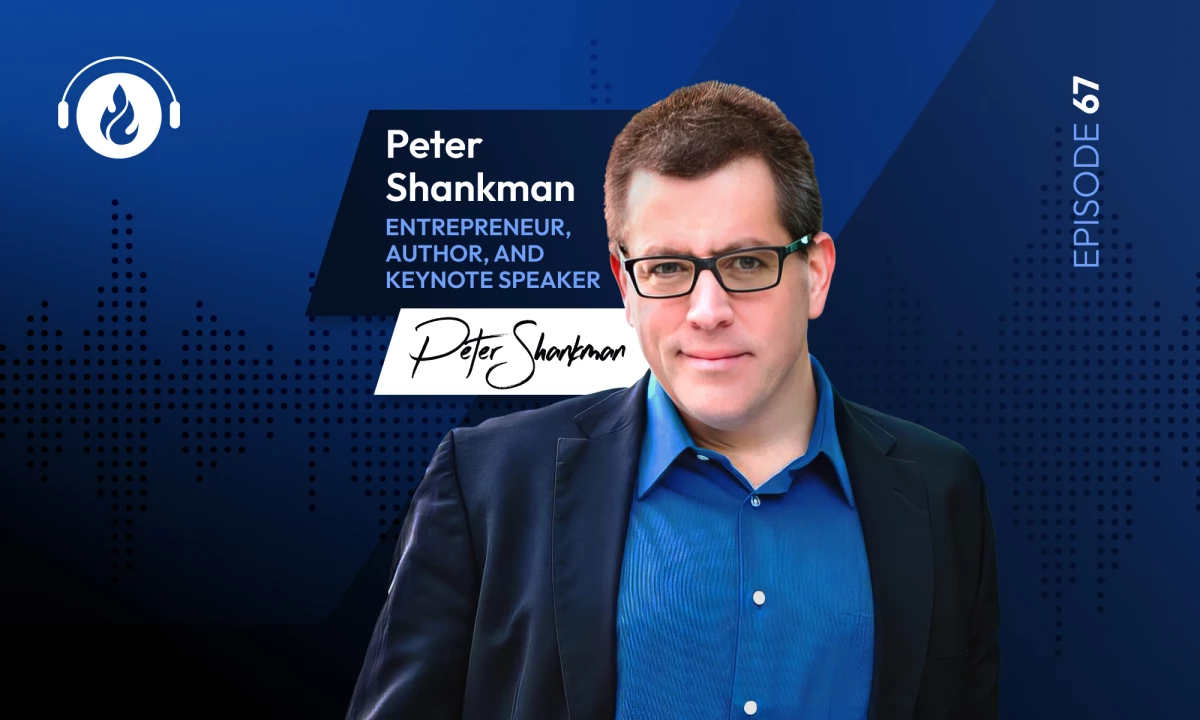
Peter Shankman, the man who’s never met an idea he couldn’t make bigger and bolder, and the founder of HARO and Source of Sources, takes you into this eye-opening conversation in the latest DesignRush podcast episode.
Tune in to discover:
- Why thinking outside the box is overrated — think outside the mindset instead
- How embracing neurodiversity could unlock your agency’s next big breakthrough
- Why your team’s diversity of thought is the key to innovation

Who Is Peter Shankman?
Peter Shankman is an entrepreneur, six-time bestselling author, and corporate keynote speaker specializing in customer experience and neurodiversity in the workplace. He is best known for founding Help a Reporter Out (HARO) in 2008, connecting journalists with sources, and later launching Source of Sources (SOS), a newsletter for reliable sourcing. In 2023, Peter co-founded Mental Capital, a consultancy that helps companies attract, hire, and retain neurodiverse employees while promoting neuro-inclusive workplaces.
Neurodiversity — whether that means ADHD, autism, dyslexia, or other cognitive differences — isn’t just a "nice-to-have." It’s the kind of creative firepower your team might already be sitting on, according to Peter Shankman, who identifies as neurodivergent.
“We saw this in COVID. Oh my God, we're gonna lose so much productivity because everyone's working from home. Well, the neurodivergent people actually wound up being 10 times more productive because all of a sudden they could drown everything out and just work,” Peter recalls.

Imagine this; your agency is stuck, and the creative well has run dry. You’re scraping for new ideas to break through.
Now imagine having a team member who thinks in a way that’s not quite “normal” (better than normal) — who sees connections where others see chaos, who overloads on information but somehow connects the dots faster than anyone else.
That’s the neurodiverse mindset. People with ADHD, autism, dyslexia — they don’t process information the way others do. And guess what? That’s exactly why they’re better at solving problems.
Neurodivergent people spot opportunities and take risks where others would hesitate. They thrive in environments that demand speed and creativity. And for B2B brands to stand out in today’s hyper-competitive market, that’s exactly what they need.
According to the World Economic Forum, “Neurodiversity offers a vast, untapped resource of talent, creativity, and innovation.
Forward-thinking companies that embrace neuro-inclusion will not only improve the working lives of neurodivergent individuals, but also enhance overall organizational performance.”
Speaking to productivity, Peter says:
“One of the things I created for one of my clients is a system with small traffic lights placed on top of each desk — red, yellow, and green. Employees can choose the color that represents how they’re feeling.
If they’re head down and hyper-focused, they put red, so no one bothers them. Yellow means 'bother me if it's important,' and green means 'I’m open, come talk to me.'
This system massively increases productivity because it allows me to walk up to someone, assess their status, and know whether to interact or wait, without interrupting their flow.”
Neurodivergent Employees Are the Competitive Advantage You’re Overlooking
Too many brands think that creating an inclusive environment for neurodiverse employees means adding a few “special” accommodations — fancy lighting, sensory spaces, or flexible hours. While yes, these are important, they’re the bare minimum.
Peter believes, “It’s not about doing the bare minimum, it’s about creating a workplace where people are allowed to bring their best selves, no matter how different that self may be.”
A neurodiverse workforce isn’t just something you “give” to your employees — it’s an investment in your company’s future.
Think about it: neurodiverse individuals are hyper-focused problem solvers. When you create the right environment for them to flourish, they will absolutely do so. Flexibility isn’t a perk — it’s a strategy.
Here’s the cold, hard truth: Companies that fail to actively engage with neurodiversity are leaving a huge competitive edge on the table. And those who don’t embrace it will find themselves lagging behind in an era where agility, speed, and disruptive thinking are king.

Diversity — and that includes neurodiversity — fuels creativity. It brings in new perspectives, helps solve complex problems, and drives the kind of disruptive thinking that has the power to change industries.
“To use hyper-focus, let employees work the way they want. They will tell you how they're doing. They will show you how they're doing. And if they have the ability to make it work…how does that saying go? Never interrupt your enemy when he's making a mistake? Well, never interrupt your employees when they're doing something that works for them the right way,” Peter shares.
In today’s B2B world, the brands that don’t just talk about inclusivity — they live it — are the ones setting the bar for success.
Tune into the full episode with Peter Shankman over on Spotify and learn about the Power of Neurodiversity in the Workplace.
Is Your Agency Ready to Embrace Neurodiversity?
So, what are the action steps for agency and brand leaders looking to supercharge their teams with neurodivergent talent? Peter Shankman’s roadmap isn’t just smart — it’s practical:
- Rethink your hiring process: Throw out the traditional interview formats. Skills-based hiring is where you’ll find the true diamonds. Neurodivergent people often don’t shine in standard interviews, but give them the right platform, and they’ll take your brand to places you never imagined.
- Flexibility is your mantra: Flexible work environments, remote options, and adjusted hours are essential. Neurodivergent people need the space to thrive on their own terms and unlock amazing potential.
- Educate your team: This isn’t a “nice” idea, it’s a crucial skill. Train your employees on what it means to be neurodivergent, how to make accommodations, and how to collaborate effectively with diverse minds.
And don’t forget — diverse teams are better equipped to serve a more diverse client base. Whether you’re working with clients in different sectors or across various geographies, neurodiversity helps you understand and meet those needs with greater precision.
Explore DesignRush's Top Recruitment Agencies and discover how inclusive hiring strategies are shaping the future of B2B marketing in the workplace.
Peter’s advice is simple yet profound:
“Let your employees work the way they want and trust that you made the right hiring decision. Essentially trust in yourself. If you're the hire, if you're the boss, trust that you made the right decision. Just let the people do the job.”