
Key Takeaways:
- A well-structured digital ecosystem is essential for long-term business success and avoiding slow decision-making and security risks.
- Over 90% of businesses struggle with adapting to market changes quickly due to poor digital integration, limiting scalability and responsiveness.
- Continuous improvement through integration, automation, and optimization ensures long-term competitiveness.
- A well-structured digital ecosystem is no longer a luxury but a necessity.
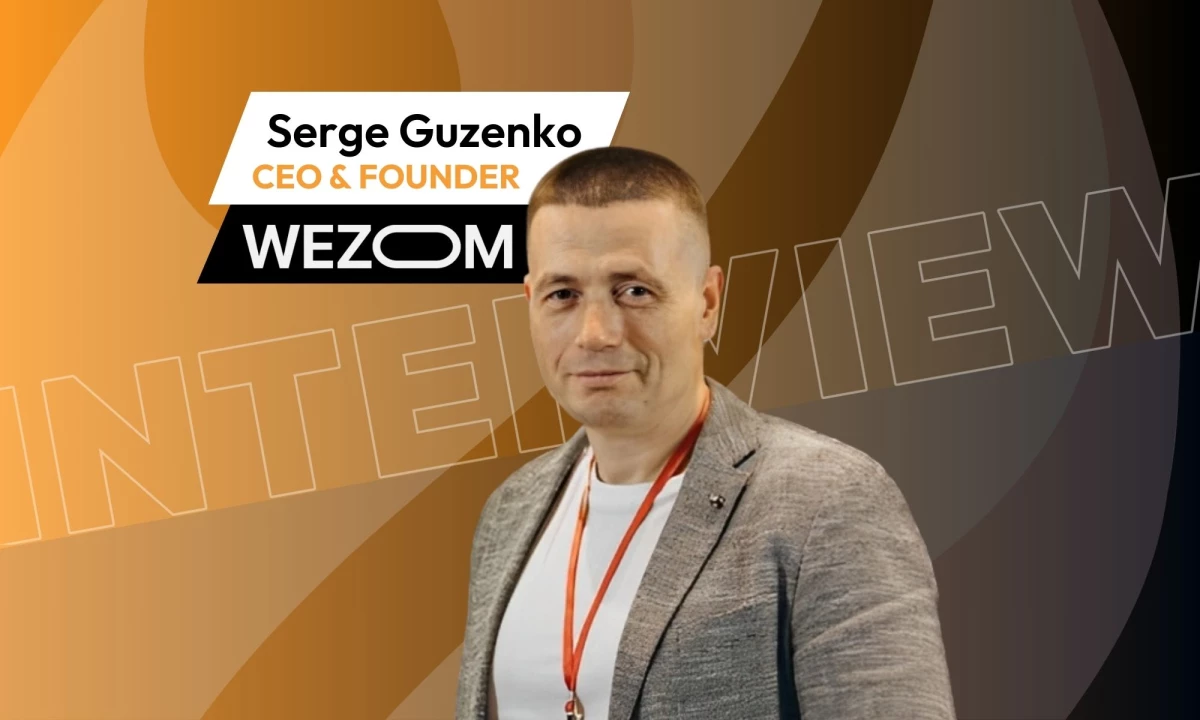
About 90% of businesses struggle to adapt quickly to market changes — something Serge Guzenko, CEO and founder of IT company WEZOM, believes is imperative to streamline operations, automate processes, and optimize decision-making.
“In 2025, customers expect more personalized experiences, faster response times, and seamless interactions across various platforms. To meet these expectations, businesses need interconnected systems that facilitate collaboration, optimize performance, and foster innovation,” Serge explains.
Our interview explores why digital ecosystems are necessary for businesses to stay competitive in 2025.

Who Is Serge Guzenko?
Serge, who began as a software engineer, founded Wezom in 1999. Now his company specializes in customized IT solutions for medium-sized businesses and enterprises. Additionally, he established the digital agency Elite-Web and WEZOM Academy. With over 3,500 IT solutions delivered across various sectors, Serge is dedicated to equipping clients with innovative IT solutions.
WEZOM has been at the forefront of helping businesses transform their digital ecosystems.
For example, the company developed a comprehensive digital platform, including a website, a broker’s cabinet, and a client portal for leading insurance company UNIQA.
“By integrating an ERP system, CRM system, cloud solutions, and automation tools, we enabled streamlined operations, resulting in a 30% increase in online policy purchases and enhanced customer self-service,” Serge tells me.
Many business leaders understand the importance of having a robust digital ecosystem. That fact has been common knowledge for years now.
The challenge for many businesses lies in integrating these various technologies into a cohesive system that can evolve alongside their needs.
Other challenges can range from disconnected systems to slow decision-making processes that hinder overall performance.
Here are some clear indicators, according to Serge, that a company's digital ecosystem may be hindering growth:
- Frequent data inconsistencies between systems make it difficult to rely on accurate data for decision-making.
- Slow decision-making due to a lack of access to real-time analytical data limits responsiveness to market changes.
- Heavy reliance on manual processes instead of automation leads to inefficiencies and increased risk of errors.
- Poor digital experiences, such as slow websites or inconvenient mobile interfaces, result in high customer churn and dissatisfaction.
As Serge points out, scalability issues arise when systems can’t meet growing demands, limiting the company’s ability to expand.
“Security vulnerabilities or gaps in compliance also put the business at risk and undermine customer trust. Finally, disconnected systems that aren’t integrated lead to inefficiency, poor collaboration, and inconsistent customer experiences, preventing the company from achieving maximum growth.
This is particularly true for outdated ERP, CRM, or inventory management systems that cannot integrate with new technologies, causing delays and blocking business process optimization.”
He adds that a common misconception about digital optimization is that it simply involves implementing new software.
“However, true optimization goes beyond just adding tools; it requires seamless integration across systems and aligning technologies with the broader business strategy.”
The key takeaway is that the real value comes from how these tools work together to take on current challenges and emerging opportunities.
This is where a tailored approach to building and optimizing digital ecosystems comes in.
Measuring Success Through Tailored Digital Ecosystems
WEZOM’s methodology involves assessing business needs and designing digital solutions that improve efficiency and promote growth.
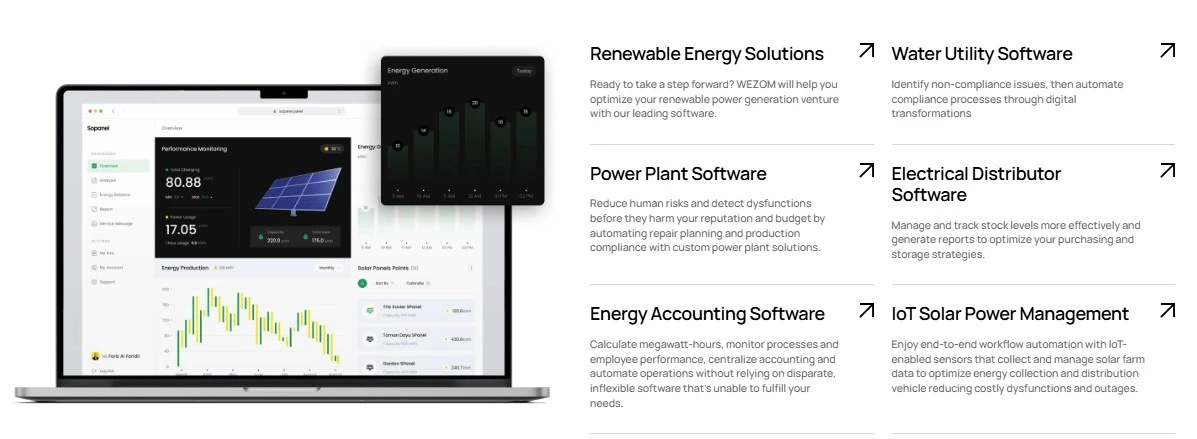
Another success story is WEZOM’s work with EZ Blockchain, an energy-efficient mining company.
Implementing IoT monitoring, automation tools, cloud solutions, and AI-driven analytics improved system performance, reduced operational costs, and significantly increased mining efficiency.
“These digital ecosystem components empowered both businesses to scale operations, improve service quality, and drive growth,” Serge says.
The real measure of a digital ecosystem’s success lies in how it translates into tangible results, with key metrics reflecting its alignment with the business’s unique goals.
To measure this level of success, Serge highlights key performance indicators tailored to each client’s goals, including operational efficiency, revenue growth, customer retention, system uptime, and security compliance.
“By evaluating improvements in workflow automation, sales performance, customer loyalty, system reliability, and compliance, we assess how well the digital ecosystem is driving business success. These metrics help us ensure the system is not only performing as expected but also delivering long-term value and growth.”
Fostering Continuous Improvement for Long-Term Success
While tracking performance is crucial for measuring success, it’s equally important to focus on ongoing improvements and adjustments to ensure long-term relevance and effectiveness.
Businesses can do this by regularly assessing and adjusting their systems to ensure they remain relevant and effective, Serge says.
“Gathering feedback, monitoring performance, and making adjustments are essential for long-term success.
The key to digital optimization is integrating the right technology, aligning it with business objectives, and fostering ongoing refinement. This ensures businesses remain scalable and competitive in a rapidly changing digital landscape.”
Conversely, SMEs should focus on providing cost-effective, flexible solutions that leverage cloud platforms, automation, and other scalable technologies.
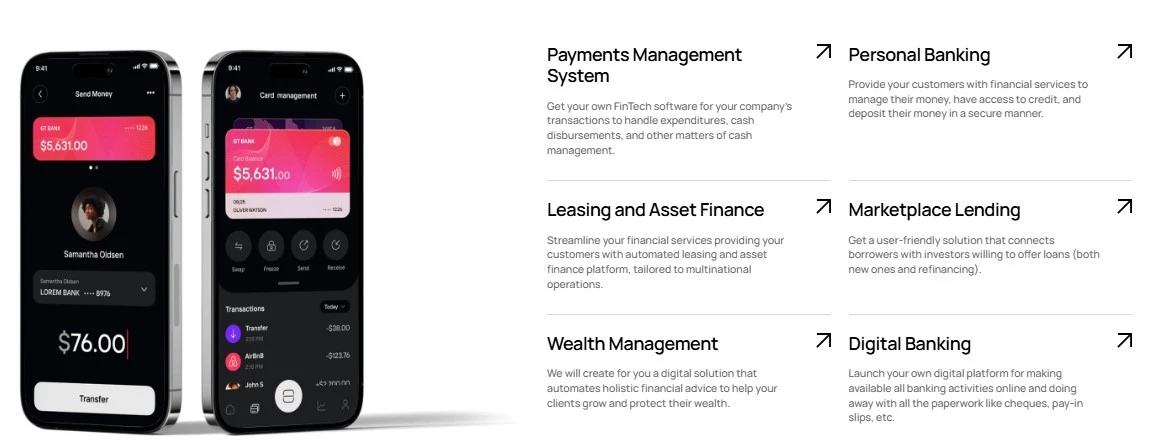
Because these businesses often require faster implementation with minimal disruption, solutions that are easy to deploy, user-friendly, and affordable allow SMEs to boost their processes without overextending their resources, Serge adds.
“The goal is to provide tools that streamline workflows, improve customer engagement, and optimize decision-making with data-driven insights — all while staying within budget constraints.”
For larger enterprises, digital transformation is more complex.
These businesses need highly scalable and customizable solutions that integrate various systems across different departments — or even global locations.
“At WEZOM, we focus on delivering robust solutions that maintain high levels of security and compliance with industry standards and regulations.
This often involves developing bespoke software that can connect legacy systems with newer technologies, providing a cohesive digital ecosystem that supports growth, enhances collaboration, and ensures data consistency across the organization.
Additionally, we ensure that large enterprises have the flexibility to adapt their systems over time, aligning with changing business needs, compliance requirements, and emerging technological trends,” Serge explains.
Tailored approaches like these can ensure that SMEs and large enterprises can fully embrace digital transformation and remain competitive.
Unlock the full potential of your data in 2025 with cutting-edge Business Intelligence strategies. Our latest article delves into top BI practices, from mastering data quality management to ensuring robust data security https://t.co/haMqnLQnwa
— WEZOM (@wezomcompany) February 20, 2025
Ultimately, the key to thriving in 2025 and beyond is embracing a cohesive digital ecosystem that aligns with business goals and addresses unique challenges.
Serge says the future will belong to businesses that strategically invest in a comprehensive digital ecosystem.
“By focusing on continuous integration, automation, and optimization, companies can remain competitive and adaptable. WEZOM’s expertise in creating integrated, future-proof solutions empowers businesses to stay ahead, innovate, and achieve long-term success.
We help businesses transform their operations, unlock new growth opportunities, and stay resilient in an increasingly digital world,” he concludes.
The ability to adapt, integrate, and innovate will differentiate the businesses that survive and the businesses that thrive.
At the end of the day, businesses that view digital transformation as an ongoing journey, rather than a one-time project, will be best positioned for sustained growth and long-term competitiveness.