
B2B Conversion Key Findings:
- Most B2B websites are built to inform, not convert. Aligning CRO and UX with the buyer journey transforms them into revenue-generating tools.
- Building trust quickly and removing friction at key conversion points increases engagement and shortens sales cycles.
- Continuous testing beats assumptions. A data-driven UX strategy adapts to changing buyer behavior and improves lead quality.
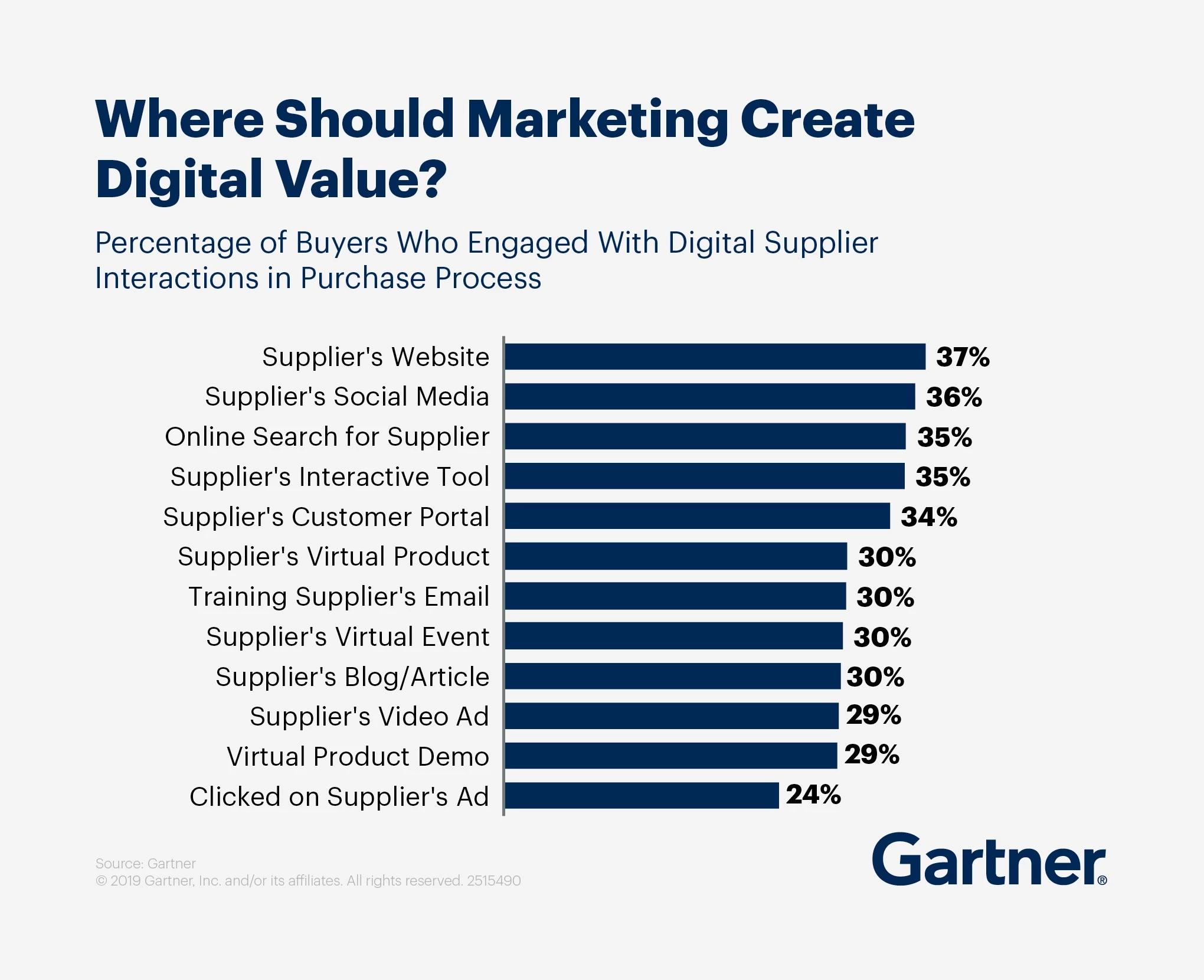
Today’s buyers want control. They expect websites to clearly communicate value, answer key questions, and let them take action without needing to talk to sales right away.
That’s why 75% of B2B buyers now prefer a rep-free digital experience, according to a study by Gartner.
Editor’s Note: This is a sponsored article created in partnership with Baunfire.
Yet while many B2B teams invest heavily in driving traffic to their websites, far fewer focus on what happens next.
Without a thoughtful conversion and UX strategy, even the most qualified visitors can slip away.
That’s why growth-focused digital agencies like Baunfire are seeing rising demand for CRO and UX services that go beyond visual polish.
When these strategies are aligned with the buyer journey, they help reduce friction, build trust, and guide prospects toward action.
Here are five actionable tactics B2B marketers can use to turn their websites into consistent conversion engines.
Turning UX Into a B2B Conversion Engine
Tactic #1: Treat Conversion as a Strategic Business Function
Many B2B websites are built as brand showcases, not sales tools. But when a comprehensive conversion strategy is embedded from day one, your site actively moves buyers closer to action.
That means brands should:
- Map content and navigation to real buyer journeys
- Prioritize business outcomes over visual polish
- Use UX to accelerate decision-making, not just engagement
Treating CRO and UX as strategic functions ensures your website is aligned with how B2B buyers research, evaluate, and commit.
This will help reduce drop-off, shorten the sales cycle, and improve lead quality.
Tactic #2: Build Trust Fast With Clear Messaging and Navigable UX
In complex B2B sales, trust is the first barrier to conversion. Buyers are often unfamiliar with your brand and cautious about risk.
If your site doesn’t clearly communicate value or feels hard to navigate, they won’t stick around to find out more.
To build trust quickly:
- Make the value proposition obvious above the fold
- Surface social proof and client success stories
- Use navigation that reflects how real users think
“When people are confused, they bounce,” said Juan Sanchez, Head of Partnerships at Baunfire.
“When they feel confident in what they’re seeing, they stay. We design for clarity first—because trust drives conversion.”
Clear UX helps buyers feel confident in your offering, making them more likely to engage, convert, and share your solution internally.
Tactic #3: Replace Assumptions With Experimentation
What worked for another company last quarter may not work today.
But it doesn’t stop many teams from relying on outdated assumptions or internal preferences when making design and content decisions.
That guesswork leads to wasted time and missed opportunities.
A test-and-learn approach helps teams continually optimize based on real buyer behavior.
Effective experimentation can uncover what actually increases engagement, form fills, demo requests, and other high-value actions.
That's why top-performing B2B sites use:
- A/B testing to validate design or messaging choices
- Heatmaps and session recordings to observe pain points
- User feedback to identify and prioritize friction
“Guessing what your audience wants is a risky game,” Sanchez noted. “We run tests constantly. Sometimes it’s the headline, sometimes it’s the layout, and sometimes it’s the placement of CTAs. The data tells us what’s working.”
With continuous testing, teams avoid costly redesigns and build high-converting experiences rooted in evidence, not assumptions.
Tactic #4: Tailor the Journey to Specific Buyer Roles
In B2B, there’s rarely a single decision-maker. Your site needs to resonate with different roles — executives, end users, technical evaluators — each with distinct goals, pain points, and questions.
Failing to address these differences means losing key stakeholders before the deal even gets to sales.
Conversion-focused UX delivers the right message to the right persona by:
- Creating modular content blocks that speak to role-specific priorities
- Segmenting CTAs, features, or messaging by user type
- Using storytelling aligned with awareness and buying intent
Companies like Baunfire work with clients to build persona-specific paths that ensure every stakeholder finds what they need to move forward, helping deals gain internal traction and progress faster.
Tactic #5: Remove Friction From Key Conversion Paths
Even if your messaging is clear and your design is beautiful, small points of friction can derail conversions at the last moment.
Every extra click or unclear prompt increases the likelihood of drop-off.
To guide users effortlessly toward action:
- Cut unnecessary form fields or steps
- Use benefit-led CTAs that clarify next steps
- Design with hierarchy so important elements stand out instantly
Frictionless UX ensures that intent turns into action, whether that’s scheduling a demo, downloading a resource, or reaching out to sales.
Make Your Website Your Sales Funnel
Modern B2B buyers use your website to evaluate, compare, and decide.
If your site’s CRO and UX aren’t built to support that process, you’re not just losing traffic. You’re losing qualified leads for your pipeline.
These five tactics — from building trust and clarity to reducing friction and personalizing journeys — are what turn passive websites into high-performing revenue channels.
When we treat the website like a passive brand asset, we miss its full potential. But when we treat it like a living part of the sales process, it becomes a conversion engine.