

Amazon confirmed this year's return of Prime Big Deal Days, which will run October 6-7 and feature 48 hours of deals across more than 35 categories.
This year's event includes AI-powered product discovery through Amazon's dedicated shopping assistant, Alexa for Shopping.
Alexa for Shopping tracks a customer's lists, purchase history, and preferences, then surfaces deals, sets price alerts, and can auto-buy an item once it hits a target price.
How a product surfaces during the 48-hour window now depends on more than search ranking and sponsored placement.
Prime Big Deal Days has grown into a brand-building platform, and treating it as an inventory clearance event leaves real returns on the table.
Here we'll look at the brand strategy angle behind Prime Big Deal Days, and what AI-powered discovery means for how products actually get seen.
Preparation Decides the Outcome Before It Starts
Retail media agency Acadia published a post-mortem of June's Prime Day 2026, which it drew from its own client portfolio.
Revenue rose 23% year over year across Acadia's clients, more than double the roughly 11% growth Acadia says Adobe had projected for the event.
There's also more to the finding, as Acadia's team found that Prime Day typically gets won or lost in the weeks before it opens.
Brands with strong existing recognition also converted new customers at a high rate, while brands that showed up only to clear inventory saw far weaker conversion.
This means that sitting out in any form has become a competitive disadvantage, according to Acadia's team.
The halo effect, where a brand earns a sales bump just from being on the platform during the event, is shrinking as AI discovery tools funnel shoppers toward discounted products.
Acadia says a brand with no live deal during the event could finish the window down year over year if shoppers never encounter it.
Product Content Now Feeds the AI Assistant
Alexa for Shopping and similar AI shopping tools can draw on product content, reviews, customer Q&A, and other information when helping shoppers discover and evaluate products.
When Alexa answers a shopper's question about a product, it can draw on information from the product listing, customer reviews, Q&A, and other sources.
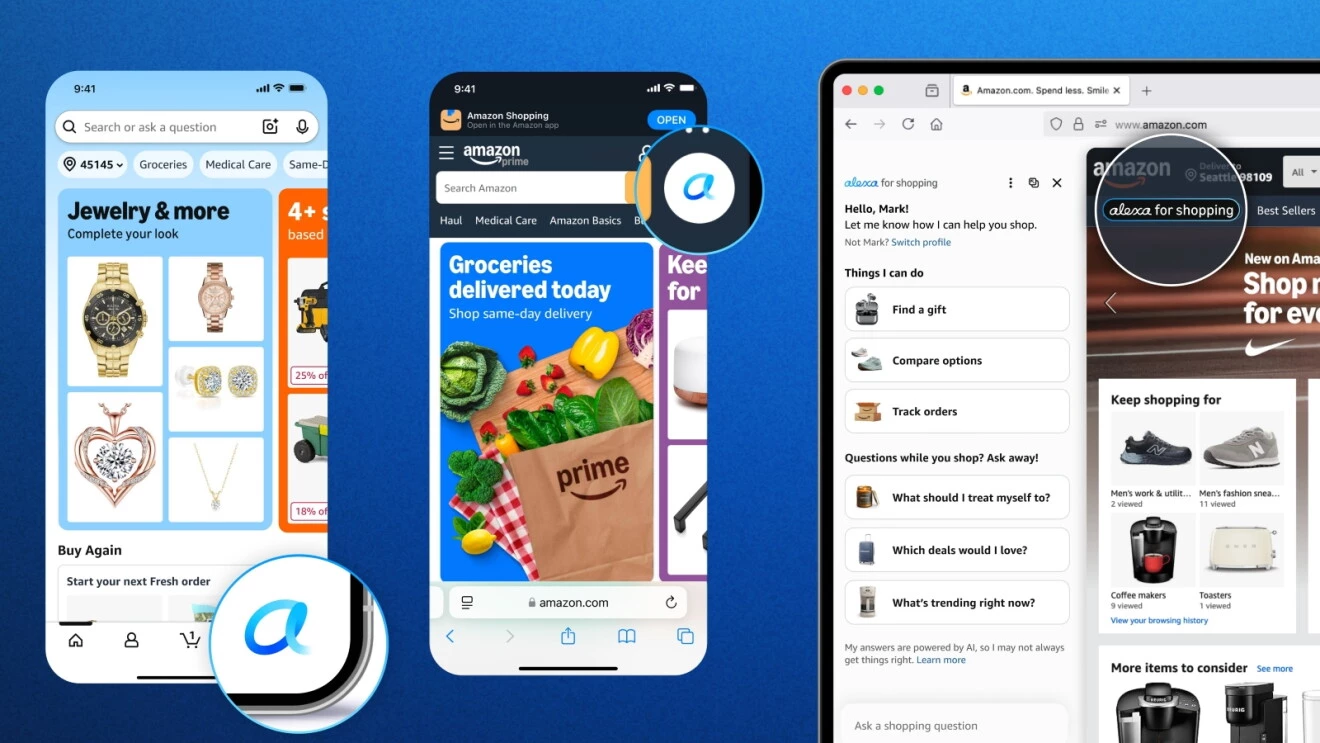
Acadia's team says PDP content, reviews, and Q&A now influence how products are surfaced and summarized by AI shopping tools.
Alexa for Shopping can now surface a year's worth of price history, while Amazon Lens lets shoppers search with a photo or barcode.
Both features give Amazon more ways to connect shoppers with products without relying on traditional keyword searches.
This makes product imagery, attributes, and other listing information increasingly important when shoppers are evaluating products.
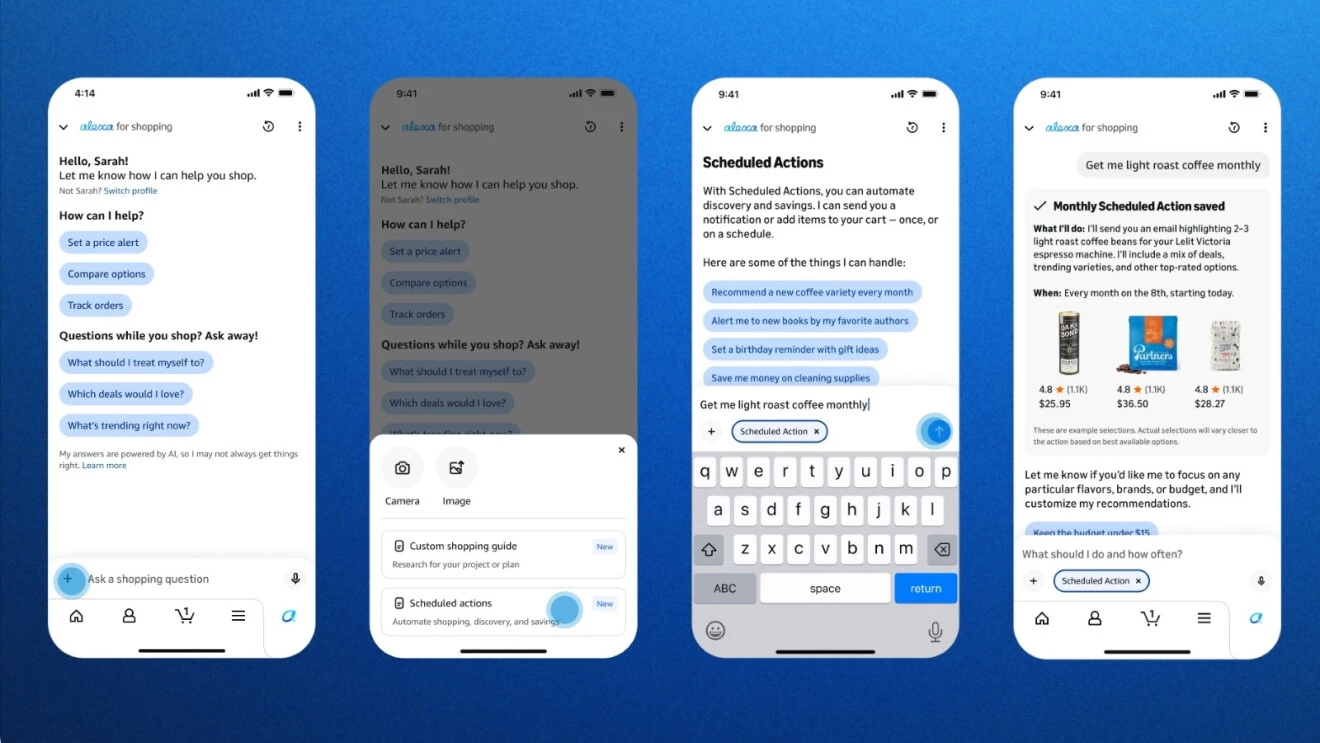
It also means a brand that cleaned up its product attributes ahead of Prime Day gave the assistant better information to work with.
Amazon's own advanced strategy guidance for sellers reinforces the same point.
It encourages brands to build detailed, structured product content in advance of any major event.
Discount Depth Alone No Longer Wins the Event
Amazon's 2026 trend reporting describes a shopping journey where consumers are constantly discovering brands, researching products, and making purchases across multiple channels.
This shows how search visibility now depends on a different set of factors.
Brands that rely heavily on keyword targeting now have another route to account for.
Acadia's data also backs this up from the paid media side.
It found that spend flowing to Amazon's sponsored prompts jumped 600% during Prime Day versus the immediately preceding period.
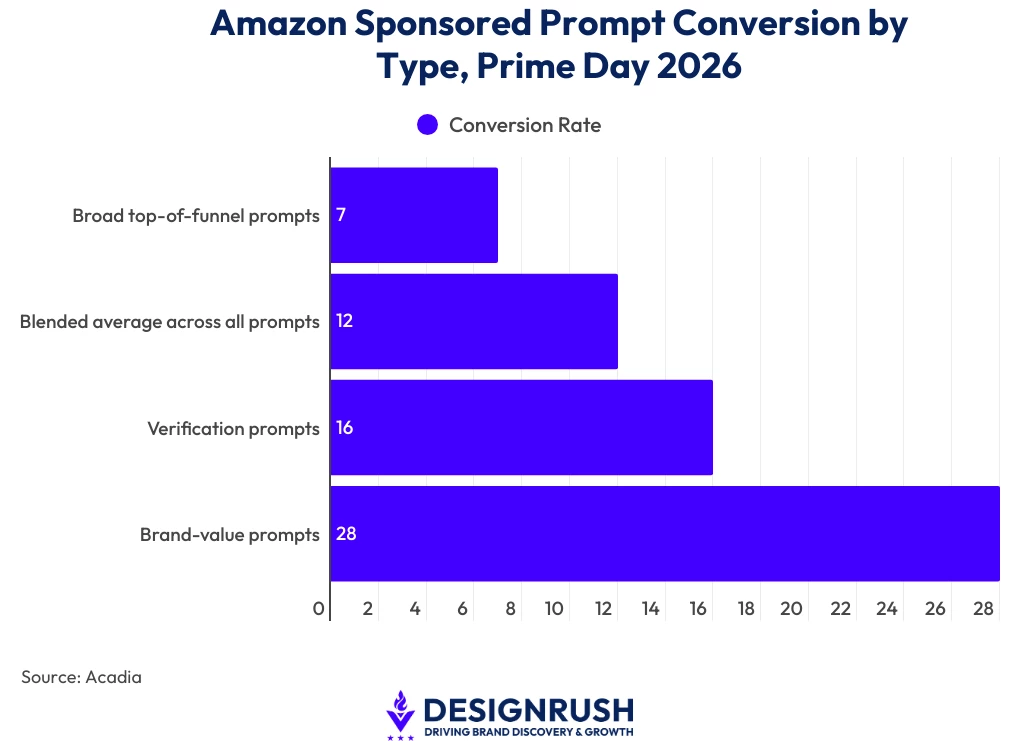
Acadia broke prompt performance down by type, and conversion showed which kind of AI interaction actually drove a purchase.
This difference should shape October planning, since weak content can limit visibility even with a deeper discount.
Getting Ready Before October 6
Brand recognition built before the event can give products an advantage when shoppers are making decisions.
This preparation has to happen weeks ahead of the event, in the same window Acadia's June data points to.
A retailer running Prime Big Deal Days for the first time this way is effectively running a live audit of every brand's content and reputation alongside its pricing.
That means checking how consistently a product is presented across its listing, reviews, images, and other customer-facing information.
It also gives brands time to identify which products may need stronger positioning before shoppers start comparing deals at scale.
Here are a few things that belong on a brand's list before the event opens:
- Test AI product recommendations: Run common shopping questions through Amazon's AI tools to see how your products are described, compared, and surfaced.
- Review pricing and promotion history: Check how your planned discounts compare with recent prices so shoppers have a compelling offer when they start researching.
- Plan inventory around likely demand: Use previous event performance, current sales data, and planned promotions to identify products that need additional stock before October 6.
These steps give brands time to identify problems, adjust their plans, and enter the event with fewer last-minute decisions.
Our Take: Is Prime Big Deal Days Still Just a Discount Event?
In short, no. We think the discount is only part of what brands are competing on now.
Prime Big Deal Days, and all Prime events for that matter, are changing as AI becomes more involved in finding, comparing, and evaluating products.
A product now needs to make sense to both an AI assistant and the shopper searching for it.
And the information surrounding a product can influence whether it gets considered alongside the offer itself.
Prime Big Deal Days may only run for 48 hours, but the factors shaping which products shoppers see are already in place when the event begins.
Brands preparing for Prime Big Deal Days need retail agencies who understand how AI-driven discovery is changing what earns visibility on Amazon.
Explore the top retail advertising agencies in our directory.