-author-avatar_mobile-webp.webp)
Key Takeaways:
- Going for clicks and chasing trends might get attention fast, but it won’t keep it. Content that connects on a deeper level is what actually sticks.
- When brands focus too much on algorithms, they risk sounding like everyone else. Standing out means knowing your audience and creating with purpose.
- The best results come from listening to the audience. Comments, feedback, even DMs, those are gold if you’re paying attention.
Every brand desires visibility. For a time, that meant catering to algorithms. Now, however, that can be a dangerous game to play.
Yes, short-term trends and aggressive SEO can still spike your numbers, but they rarely build the kind of connection that keeps people coming back.
In 2025, when platforms are smarter and audiences more selective, the real challenge isn’t just being seen. It’s being remembered.
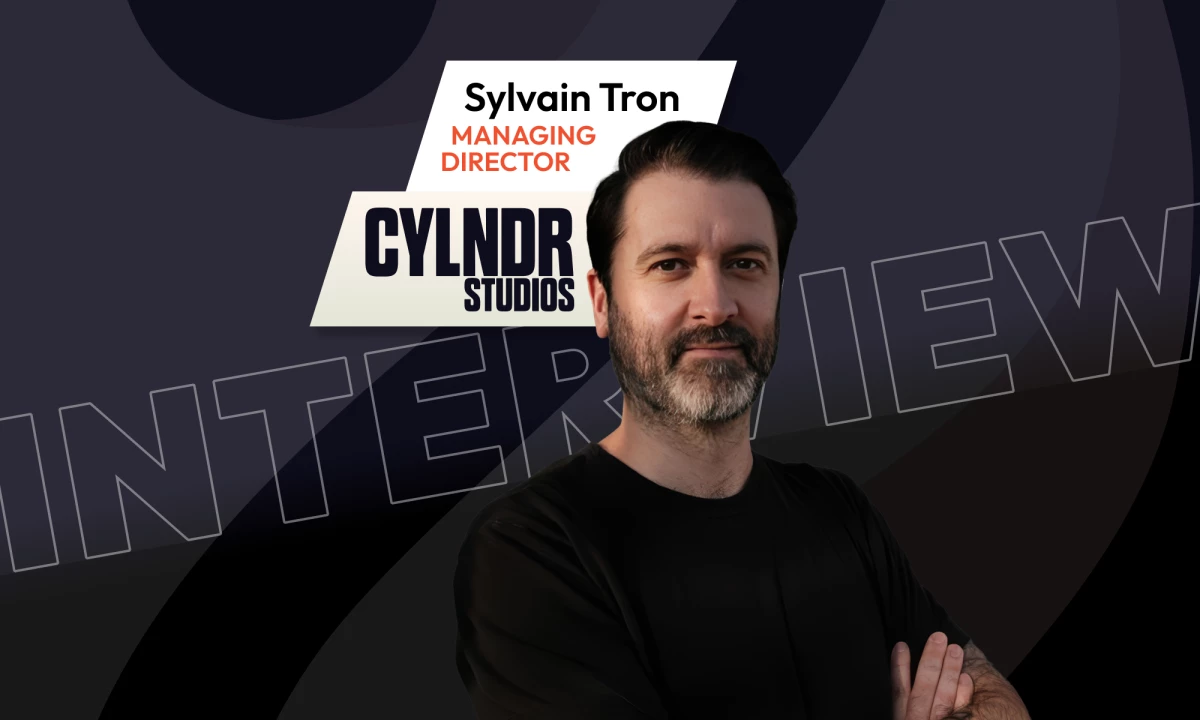
Sylvain Tron, Managing Director at CYLNDR Studios, has spent his career thinking about what makes people pay attention.
During our conversation, he shared why CYLNDR refuses to “feed the algorithm,” instead, preferring to focus on the audience — and he’s not alone in his thinking.

Who is Sylvain Tron?
Sylvain Tron is the Managing Director of CYLNDR Studios, where he leads creative production across film, design, and emerging technologies. He began his career in independent cinema as founder of Visit Films, later directing content at R/GA and Havas for brands like Nike and Google. He also served as President of Operam Creative Group.
The Cost of Feeding the Algorithm
Chasing algorithms might deliver quick results, but it rarely sustains attention or trust. Unfortunately, many companies still fall into that trap.
“Chasing clicks or jumping on every trend might get short-term visibility, but it rarely builds meaningful engagement,” Sylvain tells us.
That reactive approach also comes with long-term consequences. Content starts to look and sound the same across brands, making it easy to ignore.
“When brands over-index on algorithms or SEO, they often lose sight of what makes them unique. The content becomes templated, derivative, and easy to tune out.”
The biggest risk? Vulnerability.
“One update to a platform’s algorithm, and your entire content strategy can collapse.
Worse, you can erode trust with your audience if it’s clear you’re more interested in visibility than value,” Sylvain warns.
What Audience-First Really Means
CYLNDR Studios prefers a different model built around content for people, not platforms.
That shift starts with a deep understanding of what audiences care about and ends with content that earns attention, not demands it artificially.
When done right, this approach delivers measurable benefits:
- Stronger loyalty and trust
- Higher-quality engagement (comments, shares, advocacy)
- Creative differentiation
- Long-term brand equity
-content-large-webp.webp "Audience-First Content Benefits")
In short: stop feeding the algorithm, feed the audience instead.
“The real opportunity is in knowing your audience well enough to give them something they didn’t expect, but deeply connect with.
That’s what earns attention and builds lasting traction,” he says.
Why Top Brands Are Moving in This Direction
From global giants to growth-stage startups, leading brands are now prioritizing content with depth.
“Top brands know that attention is expensive and fleeting. They’re looking for partners who can help them earn it, not just buy it.”
This is where companies like CYLNDR step in. Sylvain describes their role as marrying strategic insight with creative output:
“They want to feel confident that every piece of content has a reason to exist and a clear point of view. They also want partners who can translate insights into execution.”
The key differentiator? Not just knowing what the data says, but how to act on it.
One of the most underrated tools in the content arsenal is actually listening.
Not passively observing analytics, but actively tuning into what people are saying.
“Too many brands still use social and content as a one-way broadcast. But the best ideas often come from the comments, the DMs, the unfiltered feedback.”
According to Sylvain, real listening leads to co-creation:
“If you build a habit around listening and really tuning in to your audience’s language, pain points, and passions, you end up creating with them, not just for them.”
Metrics That Actually Matter
Sylvain believes it’s time to move away from vanity metrics and instead focus on signals that show real connection and value.
“Engagement quality matters more than volume.
Executives should be asking: are people staying with our content? Are they interacting with it in a way that shows it means something to them?”
According to Sylvain, these are the ones that actually reflect performance in an audience-first model:
- Watch time and completion rates – Are people actually staying with your content? Retention tells you more than views ever will.
- Shares and saves – These actions show that your content has lasting value—not just in-the-moment relevance.
- Community growth – Not just how many people follow you, but who they are and why they’re choosing to stick around.
- Sentiment and conversation – What are people saying about you? Are you part of a conversation that matters, or just adding to the noise?
-content-large-webp.webp "SEO Metrics That Matter")
“If your audience is saving your posts, sharing them, or talking about them, that means you’re hitting a nerve. That’s what lasts,” he says.
Quality Over Trends is the Future
Looking forward, Sylvain sees a continued shift toward content that prioritizes human connection over platform tricks.
“Trust is becoming a bigger factor. Audiences want to know who’s behind the brand, what they stand for, and whether they’re consistent.”
Algorithms are evolving too, but not necessarily in the direction most brands expect.
“Original content and consistent engagement will continue to outperform hollow trend-hopping. Brands that invest in community, not just content, will win.”
As algorithms continue to reward originality and engagement, the strategic edge will belong to those who create with their audience in mind.
The brands that stop feeding the algorithm and start feeding their audience won’t just adapt to the next wave. They’ll define it.
-author-avatar-webp.webp)