
Apple-Google Gemini Partnership: Key Findings
- Apple turns to Google’s Gemini to accelerate Siri upgrades, a sign that speed now matters more than full-stack control.
- Alphabet reached a $4 trillion valuation after the deal, with investor confidence showing how AI partnerships can directly influence market perception.
- Siri’s overhaul mixes privacy-first design with external AI power as brands learn to balance trust, performance, and scale.
Apple just made one of the most surprising turns in its recent history.
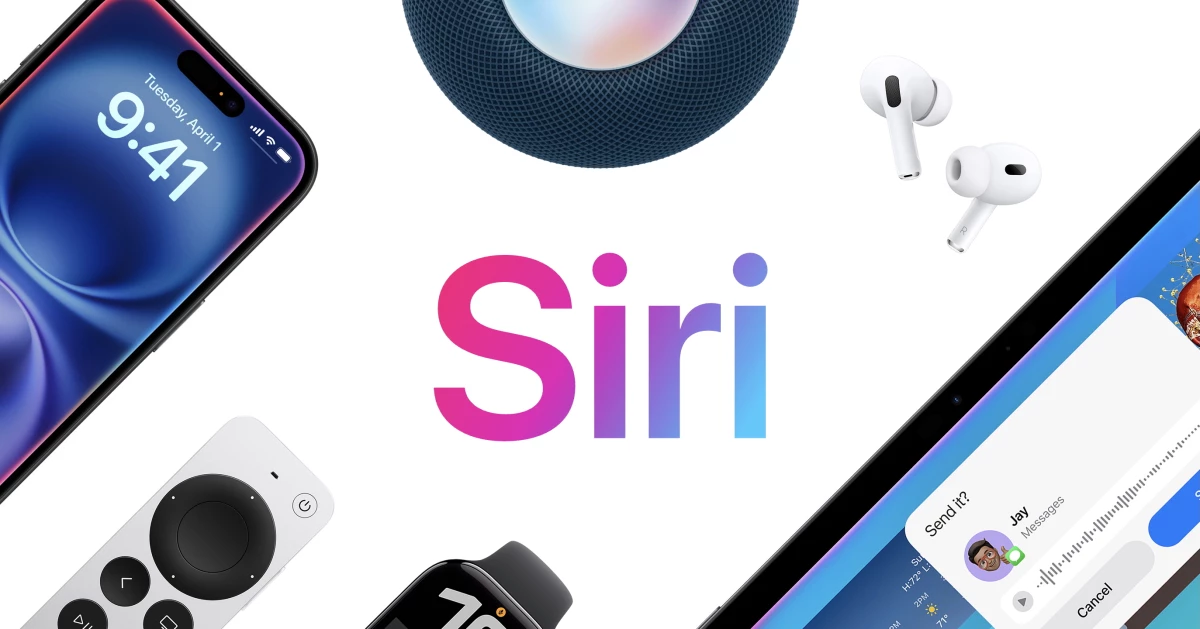
The tech giant is letting the next generation of Siri be powered by Google’s Gemini AI and cloud technology as part of a multi-year collaboration.
In a joint statement, Apple said it had completed a “careful evaluation” and found Google’s technology “the most capable foundation for Apple Foundation Models.”
Apple will use Google’s Gemini AI models to power the next-generation Siri pic.twitter.com/bYqmii1gTb
— Dexerto (@Dexerto) January 12, 2026
Gemini will power future Apple Intelligence features, including a more personalized Siri expected later this year.
Despite the cooperation with Google AI, Apple said its Siri upgrades would still respect its privacy-first philosophy.
"Apple Intelligence will continue to run on Apple devices and Private Cloud Compute, while maintaining Apple's industry-leading privacy standards," the statement added.
This nuance matters for the brand and its core promise of safeguarding user privacy even as it leans on external AI capabilities.
The announcement comes after Apple delayed earlier versions of its AI assistant, reflecting pressure on the iPhone maker to catch up in the field of artificial intelligence.
For Google, the deal validates its strategy and where it wants to take its tech from here.
Gemini has topped benchmarks and expanded across search and productivity tools, jumping 34% in revenue in the third quarter of last year.
This helped establish Google Cloud as an engine for scalable machine learning workloads.
Alphabet Skyrockets in Value
The newly announced alliance also helped propel Microsoft’s rival Alphabet to a fresh milestone.
Google's parent company hit a market valuation of $4 trillion, making it one of only a handful of companies to cross that threshold.
Investors have rallied behind Alphabet’s expanding AI initiatives, including Gemini and its cloud infrastructure, which continue to support growth in enterprise services and advertising.
However, what makes this deal truly surprising is how Apple historically preferred to build its core technologies internally rather than license them from competitors.
The Apple-Google announcement suggests both companies are rethinking how AI integration can drive relevance towards their products.
The move also reinforces investor confidence that Alphabet’s AI investments are translating into platform-level partnerships with long-term commercial weight.
For Apple, the new Siri could change consumer perceptions that it lags behind competitors like Amazon's Alexa and Google Assistant in understanding complex, conversational queries.
But for Alphabet, the milestone valuation is symbolic and practical, reflecting growing trust in its AI portfolio.
The company’s shares surged as investors digested how Gemini’s performance and enterprise adoption might fuel long-term revenue streams across cloud services and ads.
Platform Strength Over Isolation
This giant AI crossover shows how even the strongest brands sometimes benefit from strategic partnerships when internal innovation falls short.
- Tech collaborations can reframe product benefits when standalone development lags competitors.
- Partnerships with AI leaders can open new angles for consumer engagement.
- Aligning product experience upgrades with wider market milestones drives media visibility and investor interest.
Last fiscal year, Apple reported more than $416 billion in annual revenue, with its services segment showing strong growth.
At a technical level, the collab allows Apple to accelerate AI feature delivery without rebuilding mature models and infrastructure from scratch.
On the other hand, deeper integration into Apple’s ecosystem extends Google's distribution and usage signals, reinforcing its AI systems through real-world scale.
Our Take: Should Big Brands Get External Help?
I think Apple’s move to publicly lean on a rival’s AI stack is showing us a larger truth about technology marketing.
And that's how nobody wins in isolation.
Admitting that Siri needed help isn’t a weakness but an honest reflection that resets expectations.
However, the move carries a huge risk, too.
Apple now has to clearly communicate why this partnership benefits its users and not just its stock price.
The real challenge will be convincing loyal Apple fans that Siri’s new smarts make iPhones feel more capable without diluting Apple's strong brand identity.
In other milestone news, the iPhone maker also recently surpassed Samsung and Xiaomi in terms of global smartphone share, cementing its status and household name in tech.
Partnerships accelerate progress when execution matters. These top companies help brands integrate mature AI systems that scale with real-world use.