
Key Takeaways
- Businesses relying on Siri for AI-driven interactions and insights should consider alternatives amid Siri 2.0's indefinite delay.
- Apple’s setback underscores the need for thorough AI testing to avoid reputational and operational risks.
- Brands must align marketing strategies with product readiness to maintain consumer trust and credibility.
Apple announced an indefinite delay of the highly anticipated Siri 2.0 upgrade, which was expected to introduce advanced AI capabilities.
This marks a significant setback in the company's artificial intelligence ambitions.
The delay, first reported by Bloomberg's Mark Gurman, suggests the next-generation Siri may not launch until iOS 19 or later.
This is despite Apple previously promoting the feature as a game-changer for the iPhone 16 lineup.
New: Apple confirmed that it’s delaying the release of a new AI-infused Siri digital assistant, saying the company now expects to roll out the software sometime “in the coming year." https://t.co/ertuXyPFWbhttps://t.co/aw74P0vqA2
— Mark Gurman (@markgurman) March 7, 2025
The Siri 2.0 update was poised to enhance the digital assistant with deep device integration, cross-app control, and a more natural conversational experience — similar to ChatGPT.
Apple originally showcased these AI advancements under the "Apple Intelligence" initiative at WWDC 2024, promising a smarter, more intuitive Siri.
However, sources within Apple indicate that internal testing has revealed significant performance issues, leading the company to postpone the upgrade until at least next year.
An insider familiar with the project told Bloomberg that integration challenges have proven more complex than expected.
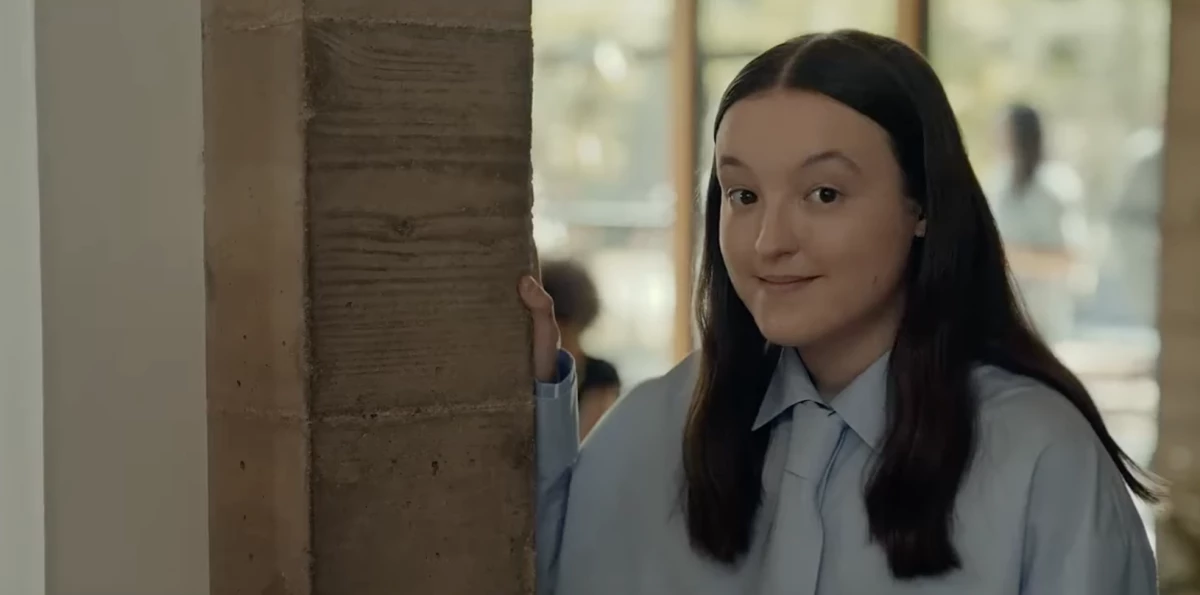
In a move that suggests Apple is adjusting its marketing strategy in response to the delay, the company took down a recent TV advertisement for Siri 2.0.
The ad, which featured Bella Ramsey from HBO’s "The Last of Us," highlighted the digital assistant's newfound AI prowess.
The ad featuring Ramsey is currently set to private on Apple's YouTube channel.
While competitors like Google and OpenAI continue advancing their AI-driven assistants, Apple's reliance on privacy-focused on-device processing appears to be causing engineering hurdles.
Some industry experts speculate that a full-fledged Siri revamp may not arrive until iOS 20 — potentially as late as 2027.
For now, Apple users eager for a smarter Siri will have to wait, as the company refines its AI strategy behind the scenes.
A Smart Assist for Memories
The commercial begins with Bella Ramsey arriving at a party.
As she scans the room, she notices a man waving at her but struggles to remember who he is. She discreetly asks Siri for help, recalling details from their previous meeting.
Siri provides the answer, and when Ramsey turns back, the man — Zac — is standing in front of her. She greets him by name, prompting a pleasantly surprised reaction.
The ad concludes with the message: Hello, Apple Intelligence, accompanied by logos of its brand partners.



Apple's delay of Siri 2.0 underscores the challenges of integrating advanced AI while maintaining its strict privacy standards.
This setback could impact consumer confidence, as Apple has heavily marketed its latest devices as "Apple Intelligence-ready" despite missing a key AI feature.
Meanwhile, Google boosted AI search with Gemini 2.0, making answers faster and more accurate, while introducing a new AI Mode for tackling complex questions.