
Apple's Market Lead: Key Findings
- Apple captured 20% global smartphone share in 2025, proving that premium positioning works beyond developed economies.
- Early-year tariff avoidance created artificial momentum that faded by H2, showing short-term trade tactics don't drive sustainable growth.
- Chipmakers prioritizing AI data centers over phones will force brands to compete for limited components in 2026, shifting power from handset makers to suppliers.
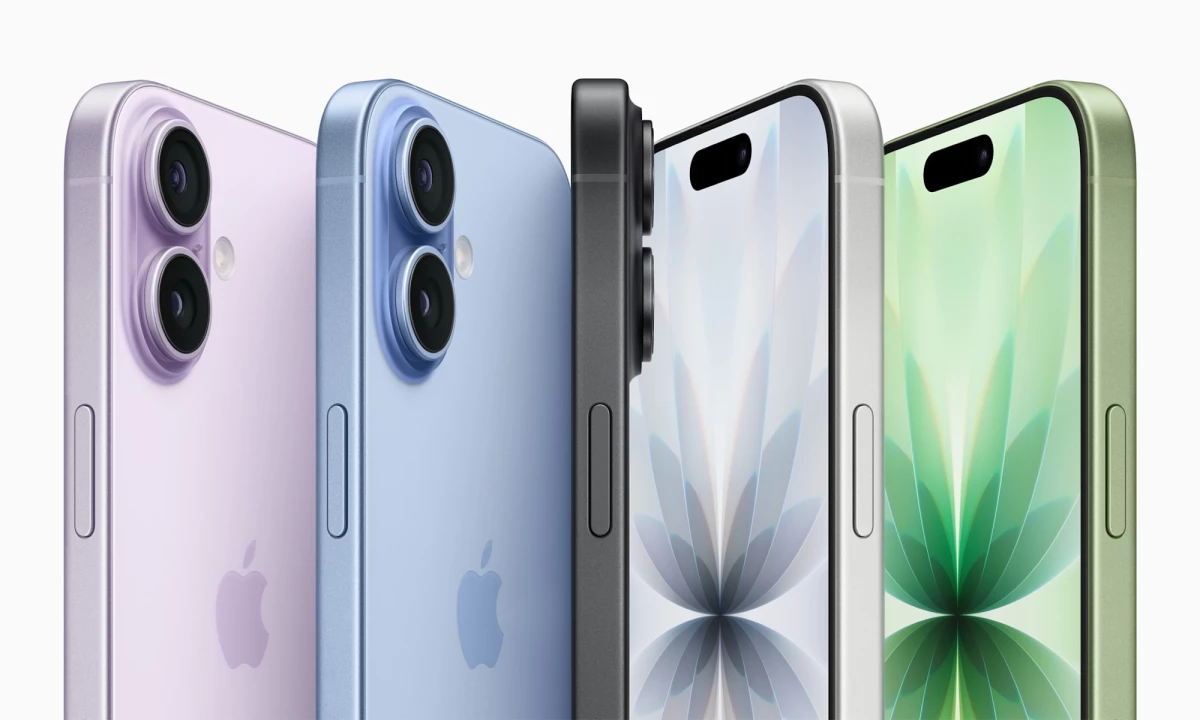
Apple grabbed 20% of the global smartphone market in 2025, finishing ahead of Samsung and Xiaomi globally.
Counterpoint Research released the data on January 12, showing that global smartphone shipments grew 2% year-over-year thanks to stronger demand.
However, what makes Apple's win interesting?
The iPhone 17 sold well in emerging and mid-sized markets where you'd normally expect cheaper Android phones to dominate, according to Counterpoint analyst Varun Mishra.
Samsung came in second with a 19% share on modest growth, while Xiaomi took third with 13% backed by its usual market strength.
This shows how premium brands winning in growing markets flip assumptions about price sensitivity on their head.
When Apple succeeds in mid-sized economies, aspiration stands out more than affordability.
Tariff Timing Created Fake Momentum
Manufacturers rushed shipments out early in 2025 to dodge incoming tariffs, but the effect wore off as the year went on.
By the second half, shipment volumes looked normal again.
The tariff strategy created artificial momentum in Q1 and Q2 that didn't actually reflect what consumers wanted.
Once the tariff window closed, growth rates went back to normal.
Apple's performance stood out because its gains came from real market expansion in emerging economies, not just stuffing inventory channels before tariffs kicked in.
The iPhone 17 also drove adoption in markets where expensive phones previously couldn't gain traction.
This proved that Apple's pricing and positioning worked outside of its traditional developed-market base.
Here, we can see how chip shortages favoring AI infrastructure can force smartphone brands to fight over scraps.
When chipmakers choose data centers over phones, handset makers lose both pricing power and control.
This matters for smartphones because the same advanced manufacturing capacity used for iPhone components is increasingly being absorbed by AI demand.
Rising Costs Will Squeeze the Market in 2026
The smartphone market is expected to cool down in 2026, as chip shortages hit and component costs climb.
Chipmakers are prioritizing AI data centers over consumer gadgets, according to Counterpoint research director Tarun Pathak.
This shows how AI infrastructure investment is reshaping which devices are manufactured first.
Demand from data centers for advanced chips creates constraints that mess with consumer electronics production.
Rising component costs will squeeze margins across the board, forcing brands to either raise prices or accept lower profits for every phone that's sold.
Three takeaways from Apple's market leadership show how premium brands can keep winning, even when industries shift:
- Don't put all your eggs in rich-country baskets: Apple's market wins reduce the damage when mature markets stop growing.
- Great products beat tariff games: Execution matters more than shipping schedules designed to dodge trade policy.
- Chipmaker relationships become competitive advantages: Brands with better supplier partnerships can handle shortages better than those scrambling for leftover capacity.
Companies that invested early in emerging-market distribution are going to pull ahead, because this kind of advantage can’t be built overnight when supply gets tight.
Our Take: Can Apple Keep Leading When Chips Get Scarce?
I think Apple's 20% market share proves that premium works everywhere when a brand executes well.
However, I also think the bigger test comes this year, as component shortages pressure supply across the industry.
If iPhone production faces delays while advanced chips are prioritized for AI infrastructure, Apple’s lead could narrow even with strong demand.
This scenario would put more weight on Apple’s supplier relationships and long-term capacity planning.
The open question is whether momentum in faster-growing markets can offset slower upgrades in mature ones as costs rise across devices.
In other news, Apple Watch turned Quitter's Day into a villain with beds chasing runners, pairing humor with behavioral data to keep fitness resolutions alive past mid-January.
Brands trying to sell premium products in fast-growing economies need partners who understand that aspiration often matters more than price.
Take a look at the top brand strategy agencies in our directory.