
Apple's AI Leadership Change: Key Findings
- Apple's AI chief exits after Siri delays triggered lawsuits and forced a Google Gemini partnership, abandoning years of in-house development.
- A wider executive transition in 2026 adds new pressure to the tech brand's restructuring, as its general counsel and environmental chief prepare to step down.
- Leadership changes signal accountability but won't fix technical gaps, as Apple's privacy-first approach left it years behind competitors.
Editor’s Note: This has been updated to reflect Apple's announcement of additional executive departures and leadership transitions across Legal, Government Affairs, and Environmental Initiatives.
Apple's leadership change exposes what happens when execution can't match marketing promises.
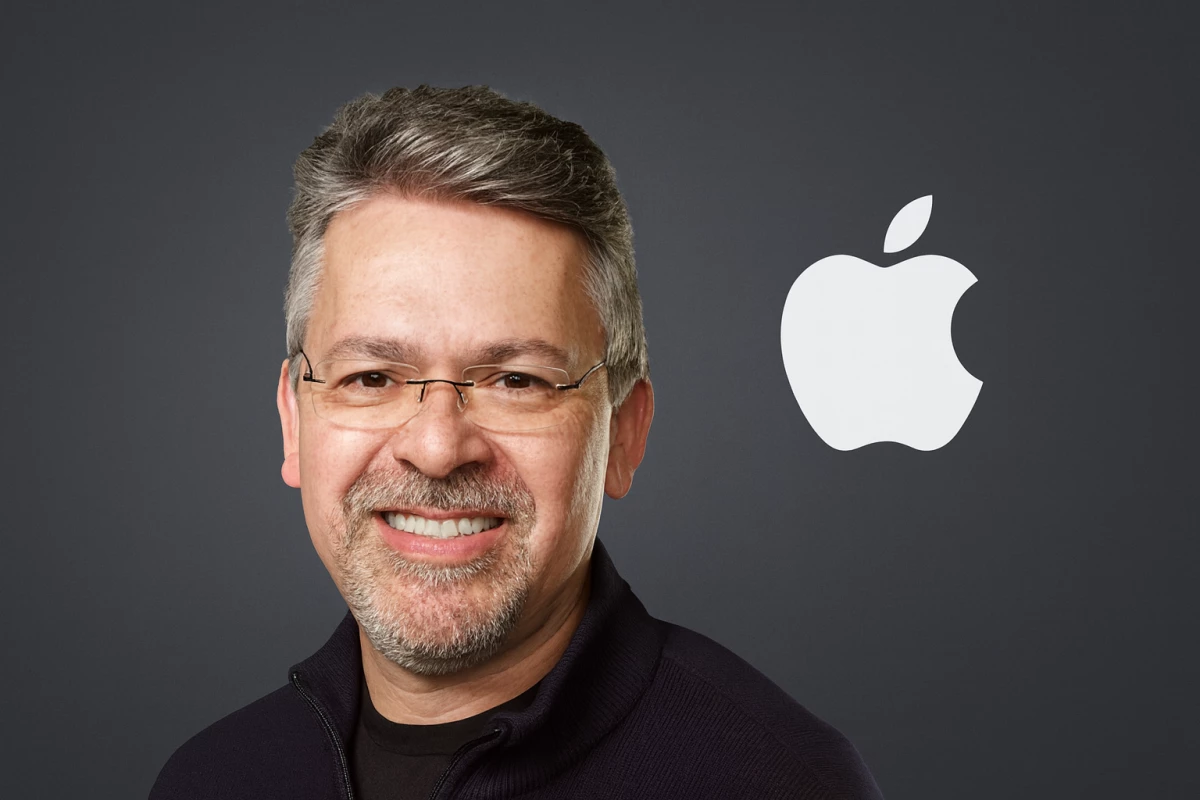
John Giannandrea, SVP for Machine Learning and AI Strategy, is stepping down and will retire in spring 2026, the tech giant announced Monday.
The departure comes after Apple's major iOS 18 Siri failure.
Updates are delayed until spring 2026, and an exodus of its AI team followed the setbacks.
Amar Subramanya, who spent 16 years at Google leading Gemini Assistant engineering, will join Apple as vice president of AI and will report to SVP of Engineering Craig Federighi.
The shake-up shows what happens when brands promise things they can't deliver.
Technical capability gaps become trust crises when features are marketed before they're ready.
Siri Delays Triggered Leadership Overhaul
Apple introduced a smarter "Apple Intelligence" version of Siri at WWDC 2024 and advertised the functionality when marketing the iPhone 16, according to MacRumors.
In early 2025, the brand announced it would not be able to release the promised version of Siri as planned, pushing updates to spring 2026.
Notification summaries misrepresented news reports, leading Apple to then disable the feature.
Class-action lawsuits emerged from iPhone 16 buyers who purchased devices based on the iPhone maker's assurances of an advanced AI-powered Siri.
In March, Giannandrea was relieved of his responsibility for Siri, with Mike Rockwell, VP of the Vision Products Group, replacing him.
Apple is now rumored to be partnering with Google for a more advanced version of Siri.
It's a stunning reversal for a company that spent years building in-house AI capabilities.
A Leadership Change With Executive Departures
Subramanya will lead Apple Foundation Models, ML research, and AI Safety and Evaluation.
He most recently served as corporate VP of AI at Microsoft and previously spent 16 years at Google, where he was head of engineering for Google's Gemini Assistant.
Bloomberg investigations also exposed weak communication between the AI team and marketing personnel.
This has led to misaligned expectations and budget allocations that don't match project needs.
Apple has also begun a broader transition across its executive ranks, according to the company's Thursday announcement.
Kate Adams, its general counsel since 2017, will retire late next year. a
And Jennifer Newstead will join in January as SVP before becoming general counsel on March 1, 2026, overseeing Legal and Government Affairs once the two groups are combined.
Lisa Jackson, VP for Environment, Policy, and Social Initiatives, will also retire in January 2026.
Her teams will then transition to COO Sabih Khan, while Adams temporarily oversees Government Affairs during the handoff.
🚨 BREAKING: Two more executives are leaving @Apple
— Ask Perplexity (@AskPerplexity) December 4, 2025
Katherine Adams, SVP and General Counsel, and Lisa Jackson, VP of Environment, Policy, and Social Initiatives are departing in early 2026.
This now means four key leaders have left - AI, Design, Legal, and Policy. pic.twitter.com/ekOQpRWgUa
With multiple divisions now in transition, the spotlight returns to Apple’s AI missteps and the operational gaps they surfaced.
The issues that followed offer a view of where execution broke down and what teams must account for when launching AI at scale.
- Don’t announce features before engineering signs off, since premature promises create legal risk and damage credibility.
- Align technical and marketing teams early, letting real capability assessments shape launch timing.
- Expect slower development with privacy-first designs, since on-device AI requires more time than cloud-based models competitors may use.
Apple shows how expensive trust recovery can be for a company that has spent decades building an image of reliability and near-flawless delivery.
Our Take: Can Brand Reputation Survive AI Product Failures?
I think Apple's Siri disaster proves that brand equity can't compensate for broken products.
The real issue here, I believe, is organizational.
Marketing moved faster than engineering, creating expectations that the product couldn’t support.
The leadership shake-up brings accountability, but Subramanya now inherits a team that has lost key executives.
He must rebuild momentum under a new technical reality, while repairing brand reputation.
In other news, Google recently launched Antigravity, a no-code development platform that lets marketing teams build technical projects without hiring developers.
Need help building AI strategies that balance capability with realistic timelines?
Explore top tech marketing agencies that specialize in product launches and brand positioning for emerging technologies.