
Apple's 50th Anniversary: Key Findings
- The tech giant marked 50 years on April 1 with a month-long global celebration spanning concerts, store events, and product launches.
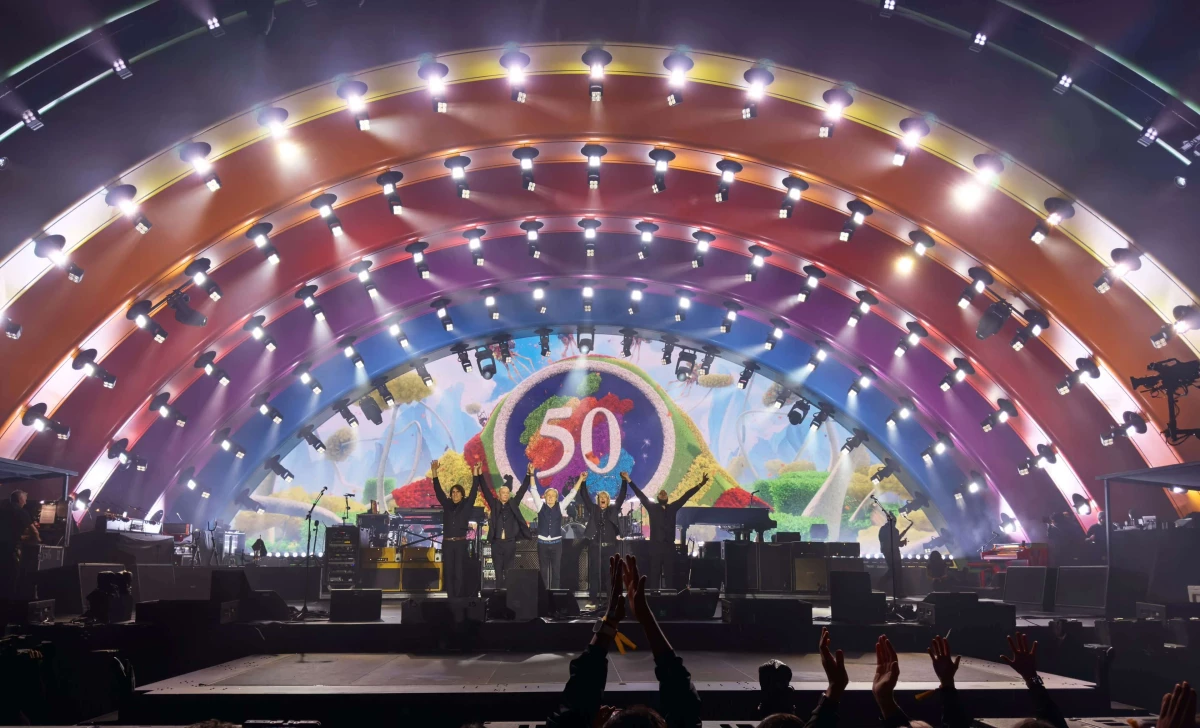
- Tim Cook's open letter tied the anniversary to Apple's founding ethos of "thinking different," with Paul McCartney closing the festivities at Apple Park.
- The campaign shows how a legacy brand can use a milestone to reassert cultural relevance through product, events, and earned media.
Apple officially turned 50 on April 1, and it spent the better part of a month making sure nobody missed it.
The celebrations spanned continents, with Alicia Keys performing at Apple Grand Central in New York and Sir Paul McCartney closing the festivities at Apple Park in Cupertino.
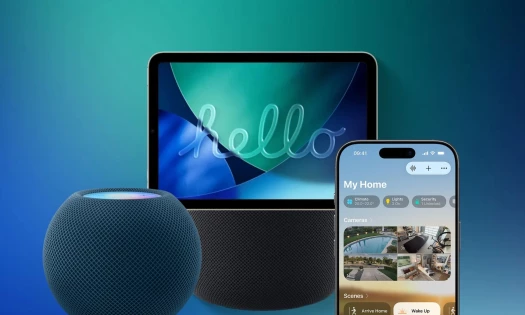
In parallel, Apple launched nine new products in March, including the iPhone 17e, the MacBook Neo, and new MacBook Air and Pro models.
However, the more instructive story here is not the scale of the celebration, because that's to be expected from the $4-trillion company.
What's worth noting is what 50 years of Apple teaches other brands about building something that grows and lasts.
The Slogan That Outlasted Almost Everything
"Think Different" was introduced in 1997, and Apple is still building milestone campaigns around it in 2026.
That's nearly 30 years of brand equity built from a two-word idea.
And this points to one of Apple's biggest lessons for marketers, that the most durable brand assets state a point of view.
Tim Cook's open letter, titled "50 Years of Thinking Different," framed the anniversary around this idea.
He describes a company whose products have always been as much about how they feel to use as what they do.
"It's what has driven us to create products that empower people to express themselves, to connect, and to create something wonderful.
As we celebrate 50 years, we are deeply grateful to everyone who has been part of this journey and who continues to inspire what comes next," he wrote.
50 years of Apple, 50 years of innovation.
— Tim Cook (@tim_cook) April 1, 2026
Thank you to our teams, our users, and everyone who’s been part of the journey. #Apple50pic.twitter.com/YYkMN24Vzc
Most brand slogans are lucky to last a decade.
In Apple's case, the company has managed to retain the same foundational idea to launch products, recruit talent, open retail stores, and now mark a half-century in business.
Product Strategy as Brand Expression
Apple has consistently made its product releases feel like an extension of its brand identity, which the anniversary celebrations underscore.
Nine new products were shipped in the weeks before April 1, giving the milestone a commercial foundation that kept the celebrations grounded in something tangible.
This is a pattern Apple has repeated throughout its history.
The 1984 Macintosh launch, announced with a single Super Bowl ad that never showed the product, set the template for everything that followed.
The iPod launched alongside a campaign that made carrying 1,000 songs feel like a cultural statement.
The original iPhone was also staged as a moment, and every major product release has been set up as proof of the founding idea.
Annual revenues that continue to grow are proof that this strategy continues to be effective.
Apple's half-century offers a few lessons for brands thinking about longevity:
- Build around a point of view: "Think Different" has outlasted every product Apple has ever discontinued, which is proof that a brand idea built on belief travels far.
- Make milestones commercially useful: The nine product launches in March gave the anniversary real business weight alongside the narrative.
- Treat retail as a brand stage: The anniversary concerts were possible because Apple spent two decades building locations designed for exactly this kind of event.
The brands that sustain cultural relevance over decades tend to be the ones that treat identity as infrastructure.
Our Take: Does Apple Still Have the Cultural Pull to Make This Land?
We think it does. The scale and coordination of the activation show a company with a true legacy.
The more interesting question is how a brand as large and profitable as Apple maintains the credibility of a founding story built from being the scrappy challenger.
Cook's letter leans into this, describing a company still guided by the same belief that "technology alone is not enough."
Whether that reads as authentic will depend on the audience, but the production behind the anniversary implies that Apple is willing to invest in making it so.
For brands planning their own milestone moments, the lesson is that heritage storytelling holds up when the present-day work supports it.
Apple's latest launches, including a budget-friendly MacBook and on-device AI, did a lot to support this story.
Brands planning milestone campaigns need agencies that understand how to connect heritage storytelling to present-day product strategy.
Explore the top brand strategy agencies in our directory.