
Leading video game company Valve has just reinforced its stance against in-game advertising, making it clear that any game requiring players to watch ads will not be allowed on its Steam platform.
The updated policy, outlined in Steamworks Documentation, prohibits developers from using paid ads as a business model, blocking practices like gating gameplay behind commercials or offering rewards for ad views.
The change serves as a warning for mobile developers looking to bring their ad-supported titles to PC.
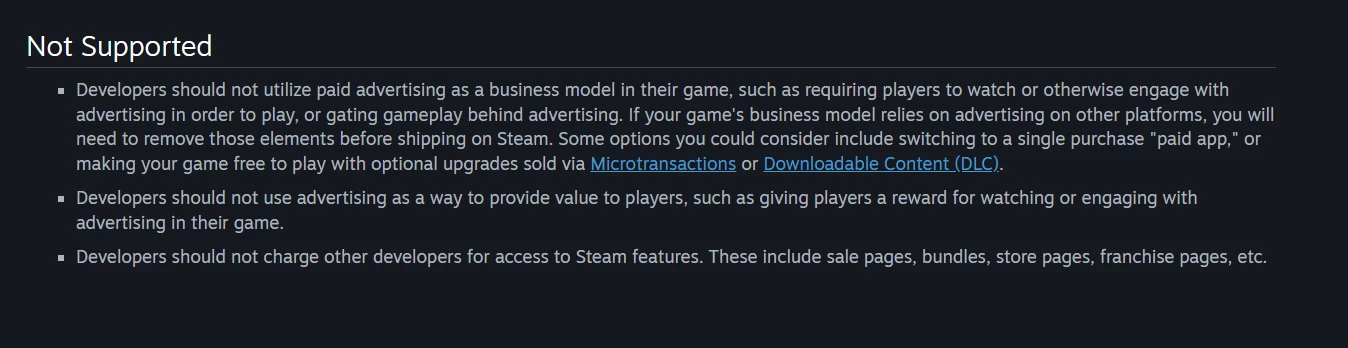
While Steam has long been a marketplace for premium and free-to-play games, Valve has now directly stated that games relying on advertising revenue must remove those elements before launching on the platform.
Instead, the company suggests alternative monetization methods, such as upfront payments or optional DLC.
Valve's decision to ban forced in-game ads aligns with its brand values and underscores its dedication to user experience and consumer trust.
By prioritizing fair monetization models, Valve strengthens its brand reputation while maintaining a loyal and engaged player base.
Promoting Fair Business Practices
The move is intended to preserve the player experience on Steam, a platform that has largely avoided the ad-driven models prevalent in mobile gaming.
Mobile titles often incorporate mandatory ad breaks, requiring users to watch commercials for in-game rewards or additional playtime.
While common in the mobile space, this model has not been widely adopted on PC, and Valve's clarification ensures that remains the case.



It is worth noting that developers are still allowed to include in-game advertising in other forms, such as background billboards or branded cosmetics, as long as they are not disruptive.
The company recently introduced another change to improve transparency: games in Early Access that haven't been updated in over a year will now carry a warning label, helping users make informed purchase decisions.
Last November, Valve also officially launched its new Game Recording feature.
Game Recording is now out of beta and available for everyone! Learn more here: https://t.co/H5z6Reykmxpic.twitter.com/eytE9dOckQ
— Steam (@Steam) November 6, 2024
Meanwhile, in September, the brand also launched Steam Families to let users share their games with friends and family members.
Despite having a monopoly over the entire PC gaming space, Valve has received consistent praise for its unwavering commitment to providing users with the best possible experience.
Its firm stance against forced in-game ads sets a high standard for gaming companies and beyond, reinforcing the importance of transparent, player-first business practices.