



Key Takeaways:
- The wave of CEO resignations in 2024 underscores the importance of long-term leadership strategies over short-term performance pressures.
- Stronger alignment between CEOs and boards through open communication and shared strategic goals is crucial for leadership stability.
- Companies must rethink leadership development, prioritizing resilience, crisis management, and long-term vision to ensure stability.
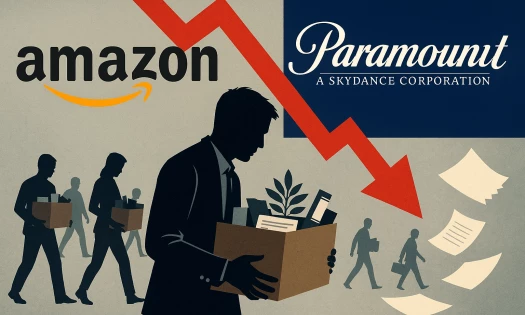
A record-breaking number of CEOs stepped down in 2024, marking one of the most significant shifts in corporate leadership in recent history.
Over 1,800 chief executives exited their roles by October, surpassing previous highs set during economic downturns and major crises, according to analysis from Challenger, Gray & Christmas, Inc.
Among the high-profile departures were CEOs of leading companies in technology, finance, and retail, including Pat Gelsinger of Intel, Carlos Tavares of Stellantis, and John Donahoe of Nike, whose resignations shook investor confidence and triggered market volatility.
View this post on Instagram
The wave of exits not only disrupted internal operations but also raised serious concerns about the sustainability of modern leadership expectations.
And the implications extend far beyond boardrooms. With so many leadership shakeups, companies are left scrambling to maintain strategic direction while reassuring stakeholders.
The revolving door at the top also signals deeper issues within corporate governance, leadership pressure, and evolving business demands.
This begs the question: Why are so many top executives walking away, and what can businesses do to prevent history from repeating itself in 2025?
When the Corner Office Feels Like a Pressure Cooker
The CEO role has never been for the faint of heart, but 2024 tested even the most seasoned leaders.
The modern executive is no longer just a strategist. They are expected to be crisis managers, technologists, public figures, and cultural architects, all while delivering flawless financial performance.
For many, the job became unsustainable.
Burnout was a major driver of the exodus, but it wasn’t just about long hours or high stakes — it was about the relentless, often conflicting demands placed on today’s CEOs.
Executive burnout is a growing concern, with 37% of executives working longer hours and 75% reporting health issues related to their jobs.
— Stanton Chase (@StantonChase) July 16, 2024
Click here to read 'Burnout Isn't Just for Employees. Executives Feel It, Too' ➡️ https://t.co/1W34d4RRHVpic.twitter.com/4QrzwrHeBH
Boards demanded agility, yet punished missteps. Investors pushed for immediate returns, while employees and consumers expected purpose-driven leadership and communication.
The pressure to be everything, everywhere, all at once fractured even the strongest leadership tenures.
The rapid acceleration of AI-driven industry changes added another layer of disruption.
The expectation wasn’t just to adopt technology but to anticipate and capitalize on its evolution — something even tech-native leaders struggled to do.
#AI technology is revolutionizing the business world, and adoption rates are only going to get higher in the coming years 📈
— Gartner (@Gartner_inc) January 31, 2023
Find out more about our outlook and AI's impact here: https://t.co/82KX7uTmet#GartnerITpic.twitter.com/pVXFnmoYeX
CEOs who failed to embed AI, automation, and data-driven decision-making into their companies’ DNA quickly lost credibility, leading to strategic misalignment with boards and, ultimately, abrupt departures.
At the same time, post-pandemic realignments reshaped industries in ways that many CEOs were unprepared for.
The workforce clamored for hybrid and remote models, altering company culture and talent expectations.
Likewise, supply chains remained volatile, requiring long-term resilience strategies rather than short-term fixes. CEOs who clung to legacy structures found themselves at odds with the realities of a transformed business landscape.
A New Playbook for Leadership Stability
With leadership turnover reaching record levels, the question for 2025 is not just why CEOs are leaving but how companies can create an environment where executives can succeed and stay.
Naturally, organizations that take proactive steps to address these challenges will be the ones that thrive, especially given the growing uncertainties surrounding current economic and political events.
That said, companies should seriously consider the following steps:
1. Redefine Leadership Expectations
Companies must move beyond the short-term, high-stakes view of the CEO role.
A sustainable leadership model prioritizes long-term vision over quarterly performance pressures, fostering stability and reducing unnecessary turnover.
2. Make CEO Well-Being a Priority
The stress of the job is inevitable, but burnout shouldn’t be.
Boards should invest in executive mental health programs, encourage realistic workloads, and build a culture that supports — not overwhelms — its top leaders.
3. Strengthen CEO-Board Relationships
A lack of alignment between executives and boards is one of the leading causes of CEO exits.
Clear communication, shared strategic goals, and a culture of trust can prevent unnecessary leadership shakeups.

4. Rethink Succession Planning
Companies that groom future leaders internally will experience smoother transitions when change is inevitable.
A strong leadership pipeline minimizes disruption, maintains investor confidence, and ensures long-term stability.
Leadership isn’t just about steering the ship through calm waters. It’s about weathering the storms.
The companies that thrive in 2025 will be the ones that redefine leadership to be sustainable, adaptable, and forward-thinking.
Those who fail to evolve will likely be trapped in a cycle of instability, watching top talent walk out the door across all levels.
-details.jpg)