
The nature of leadership is evolving.
Rapid technological advancements, shifting workforce expectations, and an increasingly volatile business landscape demand a new kind of leader — one who is adaptable, emotionally intelligent, and digitally proficient.
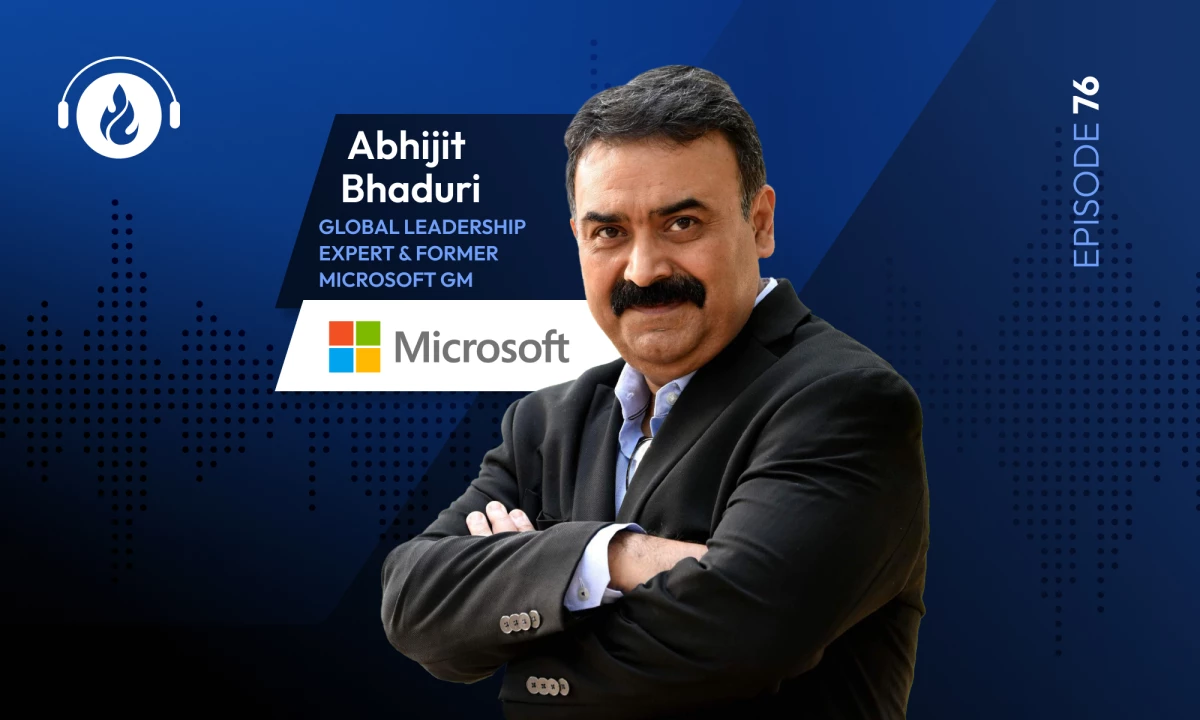
Former General Manager of Learning & Development at Microsoft, Abhijit Bhaduri, followed by his roles as chief learning officer at Wipro, senior HR leader at PepsiCo, and talent management expert at Tata Steel, shared his insights on the DesignRush Podcast about what it takes to future-proof leadership in what he terms “the Career 3.0 era.”
Here are key insights from our conversation:
- The six critical skills that define a future-ready leader
- Why adaptability and agility are non-negotiable in leadership
- How digital literacy is reshaping executive decision-making
- The role of emotional intelligence in talent retention and business success

Who is Abhijit Bhadur?
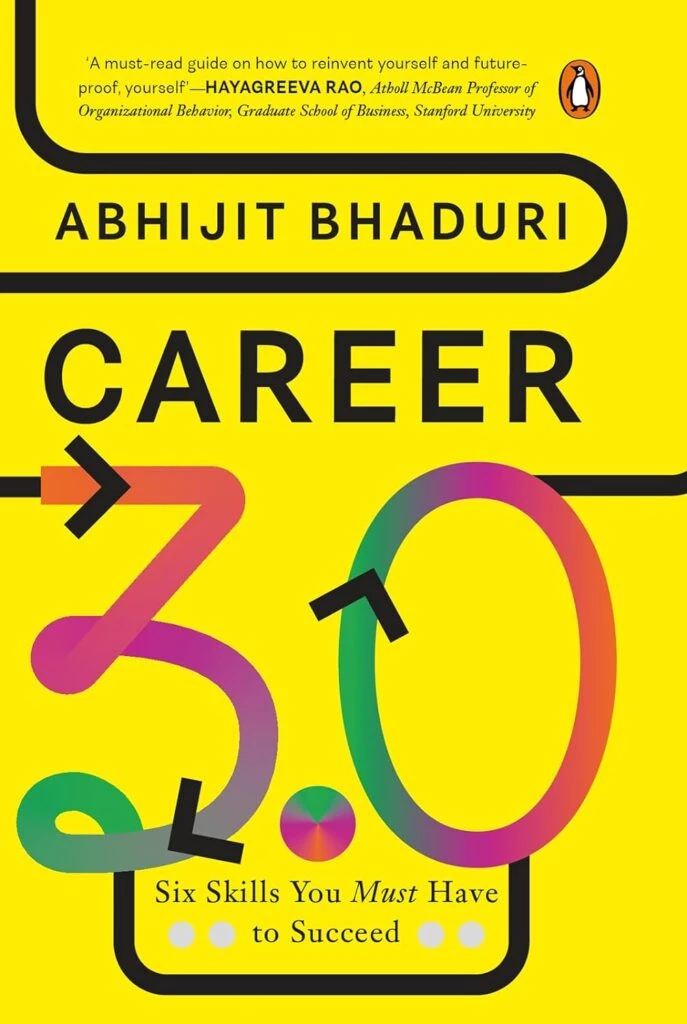
Abhijit Bhaduri is a former General Manager of Learning & Development at Microsoft, where he led global leadership programs that shaped the company’s talent strategy. He later served as Chief Learning Officer at Wipro, driving large-scale development initiatives. With senior HR leadership experience at PepsiCo and Tata Steel, he has been instrumental in shaping workforce strategies across industries. His latest book, Career 3.0: Six Skills You Must Have to Succeed, explores how leaders can stay ahead in a rapidly changing world.
The time when executives could rely solely on industry experience and traditional management skills is over. Abhijit says today’s leaders must embrace continuous learning, cross-functional adaptability, and a tech-driven mindset to remain relevant.
“Industries are dying faster, human beings are living longer, and the half-life of a skill has dropped to two and a half, three years.”
For corporate leaders, this means that stagnation is not an option. Organizations that fail to invest in leadership development will find themselves struggling to retain top talent and stay competitive.
Leadership was once defined by stability and experience. Today, it’s about agility and reinvention.
The capacity to pivot in response to market shifts, technological advancements, and workforce trends is what sets successful executives apart.
“I think the opportunity to evolve the skills of the workplace and employees, that is an eternal challenge because if you want to stay ahead you have to make sure that everybody in the organization begins to perform at a higher level.”
“This is an investment and sometimes organizations fumble way too long. The companies which take the lead are the ones that invest first and ask questions later.”
To build adaptability in leadership, foster a growth mindset by encouraging continuous learning and experimentation. Next, lead through uncertainty with resilience and problem-solving rather than rigid planning.
Lastly, create an environment where risk-taking is embraced, allowing failure to drive innovation.
In a time when AI and automation are reshaping business operations, the human element remains irreplaceable.
Leaders who cultivate emotional intelligence (EQ) will outperform those who rely purely on technical expertise.
"Great organizations are built on great careers. When companies create opportunities for employees, giving them a place to thrive, bloom, and blossom, that's when they truly create magic,” Abhijit emphasizes.
Active listening is a strategic leadership skill that drives employee engagement and performance. When employees feel heard and valued, they are more likely to contribute proactively, collaborate effectively, and stay committed to organizational goals.
People-centric leadership is a key factor in workforce retention and productivity.
Leaders who recognize this can enhance job satisfaction, reduce turnover, and create a culture of continuous improvement, ultimately driving long-term business success.
Effective communication is fundamental to organizational alignment and operational efficiency.
Clear, transparent messaging fosters trust, minimizes misunderstandings, and ensures employees are aligned with the company’s vision, strategy, and objectives.
Future-proof leaders must also understand how AI, automation, and emerging technologies impact business strategy and workforce dynamics.
Those who fail to adapt risk falling behind as digital transformation is no longer just an IT initiative — it’s a leadership imperative.
“Career 3.0 is about having three or more skills across three or more industries. Leaders who embrace digital fluency will stay ahead of disruption.”
To enhance digital literacy, executives must stay informed on AI, blockchain, and data analytics. Keeping up with industry trends ensures they remain competitive in a rapidly evolving landscape.
To stay relevant, executives must proactively build leadership skills that align with the evolving business landscape. Here’s where to start:
- Invest in continuous learning: Adopt a culture of lifelong learning and upskilling.
- Embrace agility: Encourage flexible leadership approaches to adapt to market changes.
- Develop EQ & digital fluency: Prioritize human-centric leadership and tech-driven strategies.
Leadership in 2025 and beyond is about navigating complexity, embracing innovation, and staying ahead of disruption — key ideas Abhijit talks about in his book:
"In my book, Career 3.0, I outline six essential skills for success today: the ability to self-learn, teach through simplification, master storytelling, build a strong personal brand, navigate multiple ecosystems, and think like a venture capitalist — anticipating skill shifts and adapting, much like managing a stock portfolio."
The executives who master these six critical skills will future-proof their careers, build resilient organizations, and redefine what it means to be a successful leader.
Tune into the full episode with Abhijit Bhaduri on Spotify for a deeper dive into the leadership skills that will define the next phase of business success.
As industries evolve at an unprecedented pace, the leaders who thrive won’t be those who simply react to change but those who anticipate and embrace it.
Abhiji’s insights reveal a fundamental truth — success isn’t about mastering a single skill or following a linear career path.
It’s about cultivating adaptability, fostering a culture of continuous learning, and leveraging both human intelligence and emerging technologies to drive innovation.
In a previous DesignRush episode, Alex Banks explores how predictive AI is transforming C-suite decision-making, enabling leaders to make data-driven choices with confidence.
Watch the full episode to discover how AI-driven insights can enhance strategic planning, foster innovation, and future-proof leadership in a rapidly evolving business landscape:
The future belongs to those who can navigate uncertainty with confidence, build trust through transparency, and transform challenges into opportunities.
As businesses redefine leadership for the digital age, the question isn’t whether you should evolve — it’s whether you’re evolving fast enough.
🎧 Tune in as Abhijit Bhaduri unpacks the future of leadership, where adaptability, continuous learning, and digital fluency define success. This is your chance to learn from a global leadership expert who’s helping executives navigate transformation, build resilient teams, and stay ahead.