
Summer Launch Advantage: Key Findings
- Retail eCommerce sales are projected to exceed $4.3 trillion globally in 2025.
- Launching in summer gives brands a 90-day runway to test, optimize, and scale ahead of Q4 traffic.
- AI tools, mobile-first UX, and optimized search are now key to compete and convert in eCommerce.
As internet access expands to over five billion users worldwide, more consumers are shopping online than ever before.
This year, retail eCommerce sales are projected to surpass $4.3 trillion globally, and according to Statista, that number is only set to grow.
And yet, many businesses still treat eCommerce development as a Q4 scramble.
The smarter move is to launch early when competition is quieter, traffic is surging, and optimization windows are still wide open.
Summer 2025 is a prime window to get ahead, as strong demand, platform upgrades, and room to test without Q4 pressure all align well this time of year.
Bighorn Web Solutions analyzed client data across Shopify, Magento, and WooCommerce and found six clear reasons why summer 2025 is the smartest time to launch:
- Shoppers are spending more and showing strong buying intent
- Shoppable videos convert faster than static pages
- AI-driven recommendations boost cart size and checkout rates
- Optimized site search converts far better than regular navigation
- Mobile-first design is crucial and directly affects sales
- Early launches provide time to test and optimize before Q4
Editor's Note: This is a sponsored article created in partnership with Bighorn Web Solutions.
1. Shopper Intent and Spending Are Up
Online shoppers aren’t just back. They’re spending more.
In North America, average order values are up more than 6% year over year, according to Salesforce’s Q1 2025 Shopping Index.
Globally, eCommerce is outpacing earlier forecasts, with a projected compound annual growth rate of 8.14% through 2025.
Buyer intent is high, and the momentum is already building.
Launching now gives brands a clear shot at capturing attention before peak-season noise sets in. The traffic is there, but so is the pressure to make it count.
2. Shoppable Videos Drive Higher Conversions
Scroll-driven shopping is now second nature for most consumers.
In 2024, TikTok alone generated $9 billion in U.S. eCommerce revenue, as per Statista data, with Instagram and YouTube Shorts close behind.
What’s new this summer is the speed. Shoppable formats are getting views and converting fast.
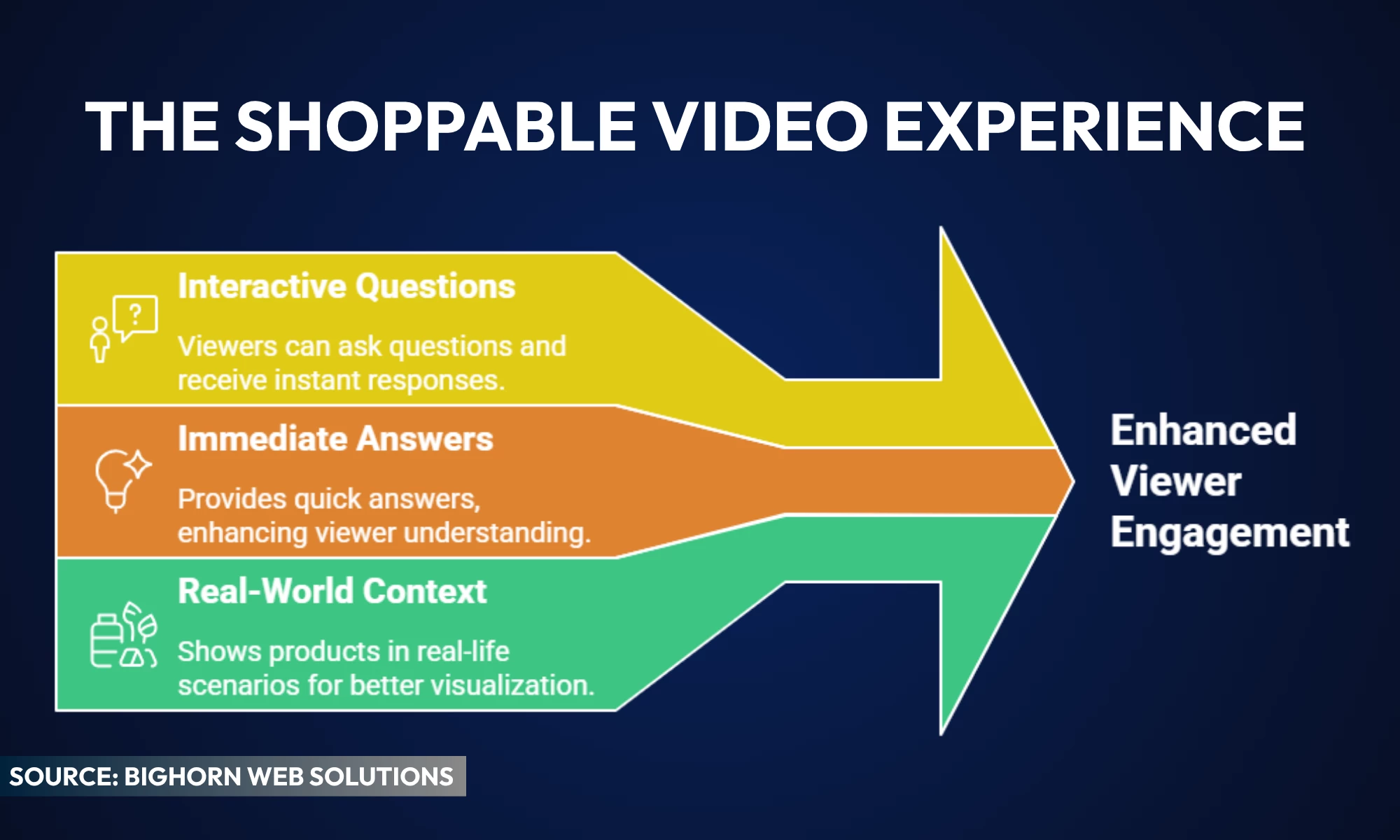
Bighorn’s data shows that brands using embedded product links in videos revealed that click-through rates jumped 42% compared to static pages.
The impact is even stronger during seasonal windows when shoppers are just browsing — until the right product catches their eye.
Summer traffic surges make it the ideal time to test shoppable video, especially with back-to-school and Q4 campaigns around the corner.
3. AI Tools Boost Cart Size and Completion
What was once a nice-to-have is now standard. Shopify and Adobe Commerce (Magento) both offer built-in AI tools for dynamic recommendations, real-time bundling, and predictive search.
For lean eCommerce teams, that changes the game.
Bighorn Web Solutions’ internal tracking reveals that AI-driven recommendations boosted cart size by 12% and checkout rates by 8% among mid-sized eCommerce stores.
“Over the years, we’ve learned that the secret isn’t just having data; it’s using it in real time to give each shopper exactly what they’re looking for. By leveraging AI to surface personalized products and bundles the moment a customer lands on your site, you remove the guesswork and dramatically increase both basket size and completion rates.
"In practice, that means fewer abandoned carts and more customers discovering items they didn’t even know they wanted,” said Caleb Bradley, CEO of Bighorn Web Solutions.
Launching in summer lets brands train AI tools on real customer behavior, ensuring product feeds are optimized and ready for Q4.
4. Site Search Converts 4x Better Than Navigation
Most eCommerce sites are leaving revenue on the table with their search bars.
Internal searches account for up to 30% of the eCommerce visitor pie, and as LLCBuddy found, these stats increase conversion rates by two to three times.
Bighorn’s analysis shows that optimized on-site search outperforms traditional navigation by a wide margin.
The biggest improvements came from smarter filters, real-time suggestions, and AI-powered typo correction.
Together, these capabilities transform search into a high‑performing sales channel.
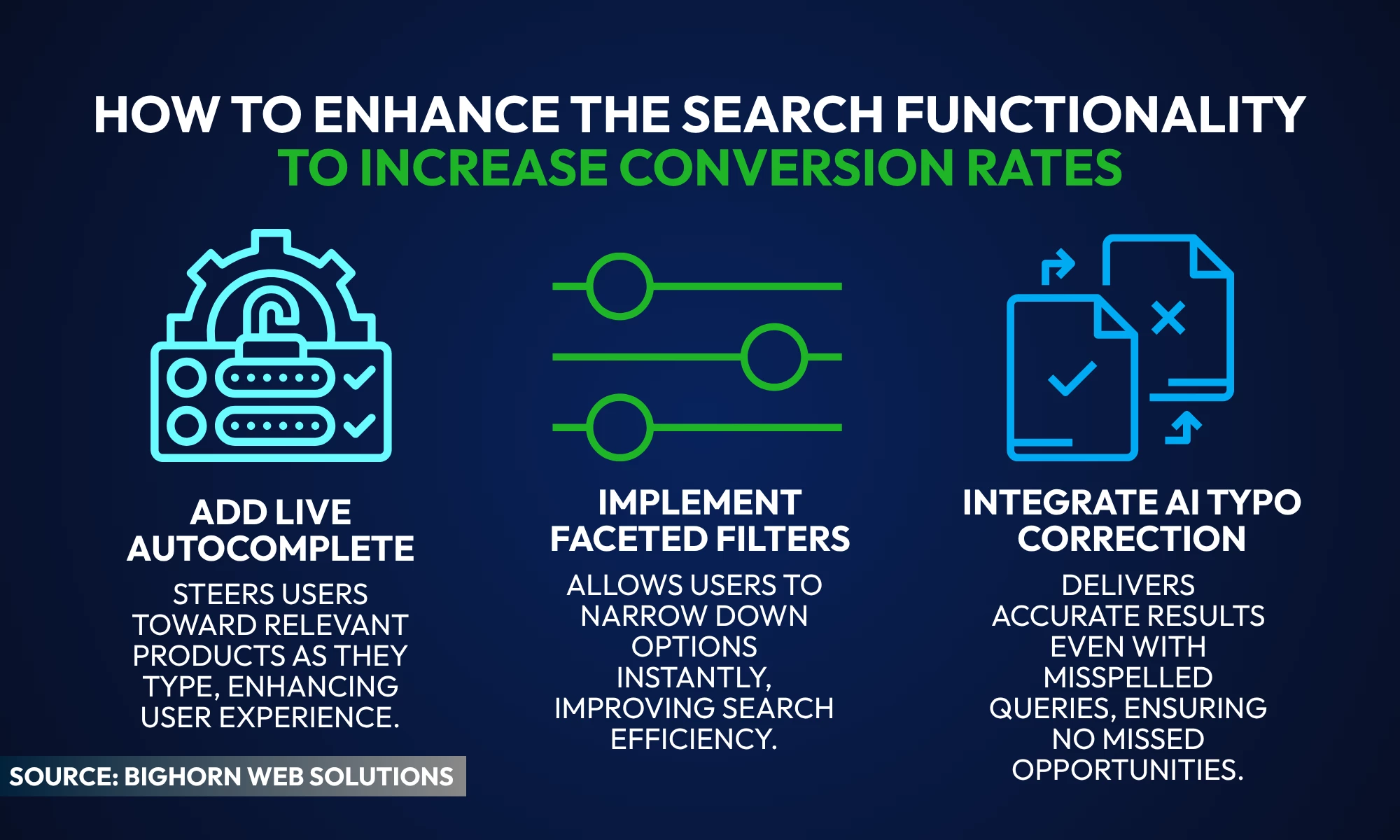
The agency found that 43% of shoppers head straight to the search bar, and those users convert up to four times more often than visitors who browse via menus.
For new stores launching today, this means building strong search functionality from the start and not adding it as an afterthought.
5. Mobile-First UX Is Now Mandatory
Mobile commerce is no longer just a part of eCommerce.
It is eCommerce.
Deloitte’s 2025 Digital Consumer Trends report shows that mobile is the preferred device for browsing and shopping online, especially among Gen Z and Millennials.
Still, many eCommerce sites struggle with mobile performance, including page load speed and cart usability.
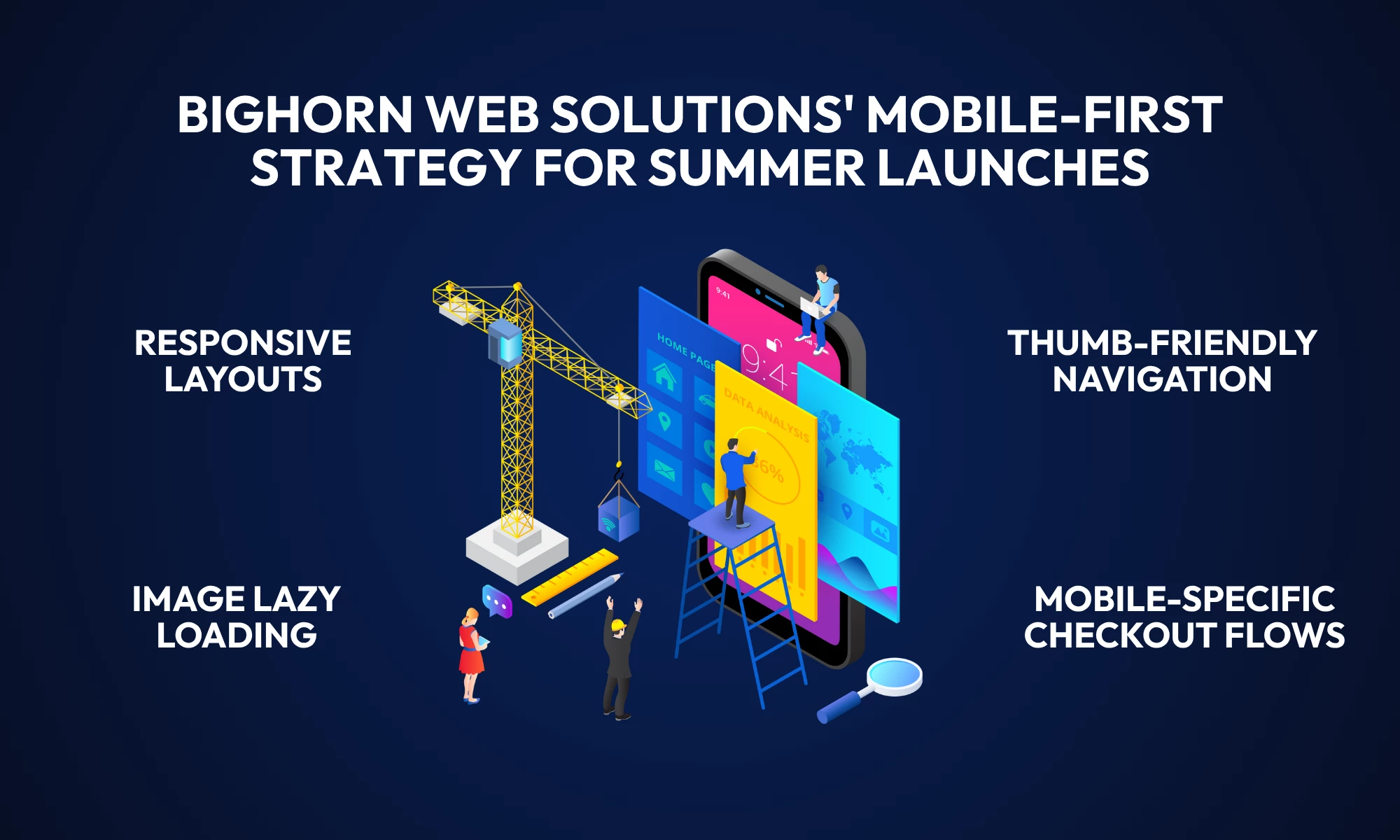
Brands launching this summer have a better chance at success starting with a mobile-first approach.
This includes responsive layouts, thumb-friendly navigation, and performance tools like image lazy loading and mobile-specific checkout flows.
6. Starting Now Gives You Time to Prep for Q4
Launching in summer offers a competitive edge that most Q4-first rollouts lack: time.
Beginning in August gives brands a 90-day window before Q4 traffic typically ramps up ahead of Black Friday, Cyber Monday, and Christmas.
This "runway" gives teams time to:
- Monitor performance metrics
- Run A/B tests on pages or messaging
- Optimize based on early data
That breathing room matters more than ever.
Newer technologies like Progressive Web Apps (PWAs) and headless CMS platforms can lower bounce rates and boost SEO, though only if they’re implemented and optimized before traffic peaks.
Bighorn recommends prioritizing high-impact areas first: site speed, mobile optimization, and key trust signals like shipping transparency and customer reviews. The aim is not perfection but smart, effective focus.
Summer is not downtime for eCommerce. It is an opportunity to get ahead.
Brands investing now in AI personalization, mobile-first design, optimized search, and social formats are building the foundation to outperform in Q4.
One way to capture that early momentum is by adopting Horizon’s AI‑powered tools.
With global retail eCommerce sales projected to surpass $4.3 trillion in 2025, launching early means capturing traffic before competition peaks and turning momentum into real results.
Brands that use this time to sharpen their strategies will enter Q4 ready to deliver results, not scramble for them.