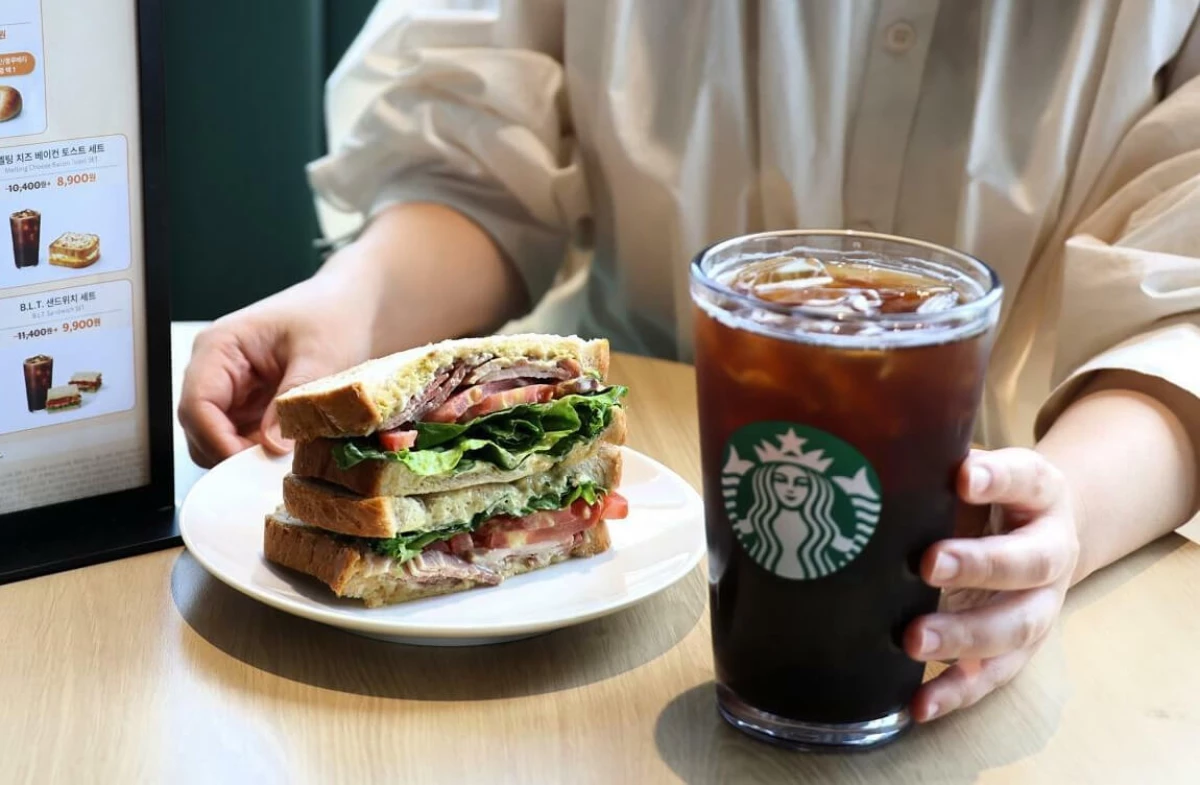

A tumbler promotion meant to sell more coffee turned into one of Starbucks Korea’s biggest public relations disasters in years.
The brand is now dealing with a sharp drop in sales after its "Tank Day" campaign triggered widespread backlash across the country.
The controversy escalated so quickly that Shinsegae Group chairman Chung Yong-jin publicly apologized.
Starbucks Korea also launched an internal investigation into how the campaign was approved.
The issue centered on a promotion launched on May 18.
This date marks the anniversary of the 1980 Gwangju Uprising, when military forces violently suppressed pro-democracy protesters.
Hundreds were reportedly killed or disappeared during the incident, which remains one of the country’s most painful historical traumas.
Starbucks Korea used the English phrase "Tank Day" to promote its Tank Series tumblers, a product line marketed for carrying large amounts of coffee.
But consumers immediately linked the campaign to the military tanks deployed during the crackdown, sparking online outrage and calls for boycotts.
Reuters reported that Shinsegae officials described the decline in sales as "very significant."
They also admitted that the controversy exposed "serious flaws" in the company’s internal review system.
"I take it very seriously that Starbucks Korea's inappropriate marketing hurt and angered many people," Chung said during a press conference.
"I will take all responsibility for the incident."
According to the company, the eCommerce team behind the campaign had been focusing on promotional performance and weekly sales activity.
This resulted in the campaign moving forward without enough legal or historical scrutiny.
The incident quickly evolved from controversy into a case study in crisis management.
A routine retail activation became a national political issue within hours, all because audiences interpreted the messaging through historical and emotional context.
The History Behind the Anger
The backlash intensified further after local media and social users pointed out additional references tied to South Korea’s democracy movement.
Promotional materials included the phrase "tak on the table!" in Korean.
Critics linked the word "tak" to a controversial police explanation surrounding the 1987 death of student activist Park Jong-chul, who died after being tortured during interrogation.
Delivery workers now boycotting Starbucks as fallout from 'Tank Day' promotion continues
by u/coinfwip4 in korea
South Korean President Lee Jae Myung even publicly condemned the campaign, saying it "insults the victims and the bloody struggle" connected to Gwangju.
"What on earth were they thinking, knowing how many lives were taken that day and how seriously that set back our country's justice and history?" Lee wrote on social media.
Starbucks Korea removed the campaign within hours, apologized publicly, and later dismissed CEO Sohn Jeong-hyun.
Shinsegae also pledged to overhaul its approval and review process for future campaigns.
Brand marketing strategy becomes far more complicated when operating inside markets with politically and historically sensitive audiences.
This couldn't be any truer for Starbucks.
Even campaigns with no stated political intent can still trigger strong reactions if consumers interpret symbols, language, or timing differently.
When Historical Context Gets Ignored
The problem for Starbucks Korea is that a small online niche did not drive the backlash.
The Gwangju Uprising remains deeply embedded in South Korean public memory through films, television dramas, annual commemorations, and political discourse.
The wound runs deep enough that in 2023, the grandson of the dictator who ordered the crackdown became the first member of the Chun family to publicly apologize for it.
For South Korean consumers, specific words, visuals, and dates tied to the Gwangju Uprising carry an emotional charge that no brand messaging can override.
Here are some lessons brands should consider from this Starbucks Korea controversy:
- Review campaigns beyond product intent: Audiences judge messaging through emotional and historical context, not internal campaign objectives.
- Local sensitivity checks matter: Regional teams should evaluate whether wording, timing, or symbolism carries unintended historical meaning.
- Fast apologies alone are not enough: Once backlash reaches political leaders and national media, recovering reputation becomes significantly harder.
Starbucks Korea is facing severe backlash over an insensitive '5.18 Tank Day' marketing campaign that appears to mock the victims of the Gwangju Massacre. After the public outrage, Shinsegae Group Chairman Jeong Yong-jin issued an apology for the scandal, but he has been involved… https://t.co/KXBFGFUuBYpic.twitter.com/Bt6hkPRDyH
— jayvee (@uarmyvibe) May 19, 2026
Global brands increasingly operate in environments where consumers expect cultural and historical awareness as part of basic marketing competence.
Starbucks is not exempt from this.
An attempt at edgy humor that strips "Tank Day" of its context backfired on a global brand you'd think would have the sensitivity not to execute such creative.
Our Take: Could This Have Been Avoided?
We think this situation would probably never have reached this level if stronger internal review systems were already in place before launch.
The campaign itself was relatively small, but the timing and wording transformed it into something much bigger in the eyes of the public.
This is the risk brands face when promotional calendars move faster than contextual review processes.
Marketing teams are under pressure to push constant campaigns.
But volume can create blind spots if nobody stops to question how audiences may interpret a message outside the office.
Brands operating globally need teams that understand historical context and local perception before campaigns go live.
Similarly, the viral TikTok Series "Fruit Love Island" amassed 300 million views in nine days, but backlash and removals cut the show short.
Brands building social content strategies around emerging formats need agencies that understand what makes a brand's participation work.
Take a look at the top viral marketing agencies in our directory.