
Banned Black Ops 7 Ad: Key Findings
- The Call of Duty: Black Ops 7 ad was banned by the UK ASA for implying non-consensual acts, highlighting the limits of edgy humour.
- Nine complaints were upheld despite adult targeting, highlighting the need for careful audience testing in gaming marketing campaigns.
- Activision Blizzard defended the campaign as a parody, but the backlash illustrates how brand perception can change rapidly when you touch on sensitive topics.
Remember Call of Duty's “Replacer” ad used to promote Black Ops 7 last year?
Well, now it's been banned in the U.K. after the country’s advertising regulator ruled that it trivialised sexual violence, marking a huge setback for the gaming franchise’s marketing efforts.
The Advertising Standards Authority (ASA) said it received nine complaints from viewers who found the advert "irresponsible and offensive."
This is because it alluded to implied non‑consensual acts in a way the watchdog deemed unhumorous.
However, Activision Blizzard UK Ltd, which runs the Call of Duty brand locally, defended the commercial.
The company said that the commercial was meant to target adults with a tolerance for exaggerated humor and was approved with broadcast restrictions to avoid children’s programming.
Furthermore, the clip was meant to depict a deliberately implausible parody and contained no explicit or objectifying imagery.
Activision Blizzard also argued that it did not sexualize the search or condone violence or drug-related acts.
But the ASA didn't buy into the explanation.
“We considered that the humour in the ad was generated by the humiliation and implied threat of painful, non‑consensual penetration of the man,” the organization said in its ruling.
Earlier campaigns in the "Replacer" series played on the idea of stand‑ins taking over everyday jobs while players enjoyed the game.
However, it seems this iteration’s airport security scene pushed boundaries that some felt crossed a line.
The ban has since reignited conversations around how far brands should go with edgy humor.
Similar controversies have dogged Call of Duty advertising before, including a 2012 advert banned by the same regulator for violent imagery considered inappropriate for younger viewers.
What Makes the Ad so Divisive?
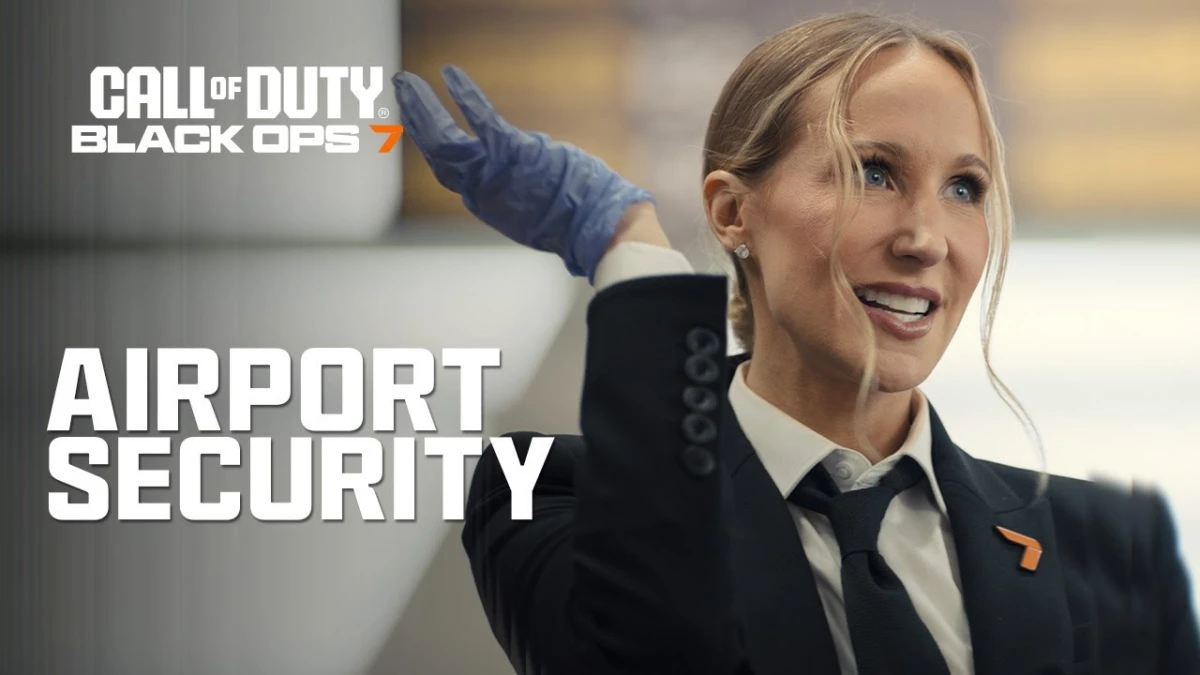
In the now‑banned spot, two “Replacer” airport security agents (played by Peter Stormare and Nikki Glaser) tell a passenger he has been “randomly selected to be manhandled."
Stormare then asks him to remove his clothes “everything but the shoes,” with Glaser donning gloves and saying it’s “time for the puppet show.”
The scene ends with the man being told to “bite down” on a detector, a line the ASA said implied painful, non‑consensual penetration framed as entertainment.
Activision Blizzard pointed out the game’s PEGI 18 rating and said the ad was designed for adult audiences and approved with timing restrictions to avoid children’s programming.
Clearcast, the UK ad‑clearance body, had given the advert an "ex‑kids" restriction that barred it from airing around content likely to appeal to under‑16s.
That said, critics of the campaign say its execution still muddied the line between slapstick and sensitive subject matter.
The complaint upheld by the ASA made a distinction that even exaggerated parody can still have real‑world connotations that cause serious offence.
Lessons From Call Of Duty’s Banned Ad
For advertisers, this U.K. ruling shows the risks of humor tied too closely to sensitive topics.
- Regulatory scrutiny increases as brands push the boundaries of edgy humour, so careful review matters.
- Audience context and broadcast timing restrictions aren’t always enough to mitigate adverse reactions.
- Even established franchises must consider evolving cultural norms when designing promotional content.
In 2023, Microsoft acquired Activision Blizzard for $75.4 billion, and more than two-thirds of that value was recorded as goodwill.
At the time, Call of Duty had nearly 100 million monthly active users.
According to its 2025 Annual Report, this means that Microsoft bet heavily on future growth, brand strength, and long-term gaming dominance rather than just existing assets.
A large portion of the deal was tied to intangible assets like franchises and technology, which will gradually reduce reported profits through amortization.
In simple terms, Microsoft paid a premium for strategic control of some of the world’s most powerful gaming brands and expects that scale to pay off over decades.
Our Take: When Is Exaggerated Humor Too Much?
When brands push for irrevent humor, it's always worth weighing out the potential risks.
In this case, trying to create a memorable ad backfired because it leaned into a gag that many saw as trivializing real‑world harm.
I’ve seen many brands come up with edgy concepts just for a viral moment, but this one went viral for the wrong reasons. Humorous intent got lost in implication.
Creative marketing teams need to test campaigns with diverse audiences early, especially when content touches on themes that could be hurtful or offensive.
Ultimately, bold ideas are valuable, but respect for the audience and social context must come first.
In other news, the enigmatic influencer Logan Paul just sold the most expensive trading card ever and used the event to unveil his new business venture.
Brands looking to capitalize on cultural moments need agencies that understand timing, authenticity, and consumer behavior. Explore the top creative agencies in our directory.