
Strategic Takeaways on Inventory and Fulfillment Optimization
- Real-time, unified inventory data helps prevent both overstock and stockouts, which are two silent killers of margin and customer loyalty.
- Shipping errors and delays aren’t minor; they’re measurable losses. Automation and flexible logistics can eliminate recurring penalties and speed up delivery.
- As operations grow, manual workflows break. End-to-end automation enables businesses to expand without chaos or costly errors.
Retailers lose an estimated $1.77 trillion each year due to inventory distortion, according to a study by IHL Group. This includes misalignments in stock levels that lead to excess inventory, out-of-stocks, and poor fulfillment performance, according to a study by IHL Group.
But this isn’t just a logistics concern; it’s also a profitability issue.
“There is a direct correlation between a healthy profit margin and the value or volume of inventory held,” says Chris Timmer, chief executive officer of Linnworks.
“Too much ties up cash and risks obsolescence; too little risks customer disappointment and lost sales.”
Chris brings over 30 years of leadership in supply chain and software, now leading Linnworks’ operations across sales, marketing, product, and strategy.
I spoke with Chris, and he broke down the often-overlooked impact of inventory and fulfillment decisions, and how smarter systems can unlock better margins, happier customers, and real business agility.

Who Is Chris Timmer?
Chris Timmer is the CEO of Linnworks, a commerce operations platform helping retailers automate inventory and fulfillment workflows across multiple channels. With three decades of experience spanning sales, operations, and strategy in the software and supply chain sectors, Chris brings a practical, data-driven perspective to solving real problems at scale.
Visibility Is Profit Power
Retailers often struggle to manage inventory across multiple channels, resulting in inefficiencies that directly cut into profits.
Whether it’s excess stock sitting idle or key products running out, the underlying issue is often the same: poor visibility.
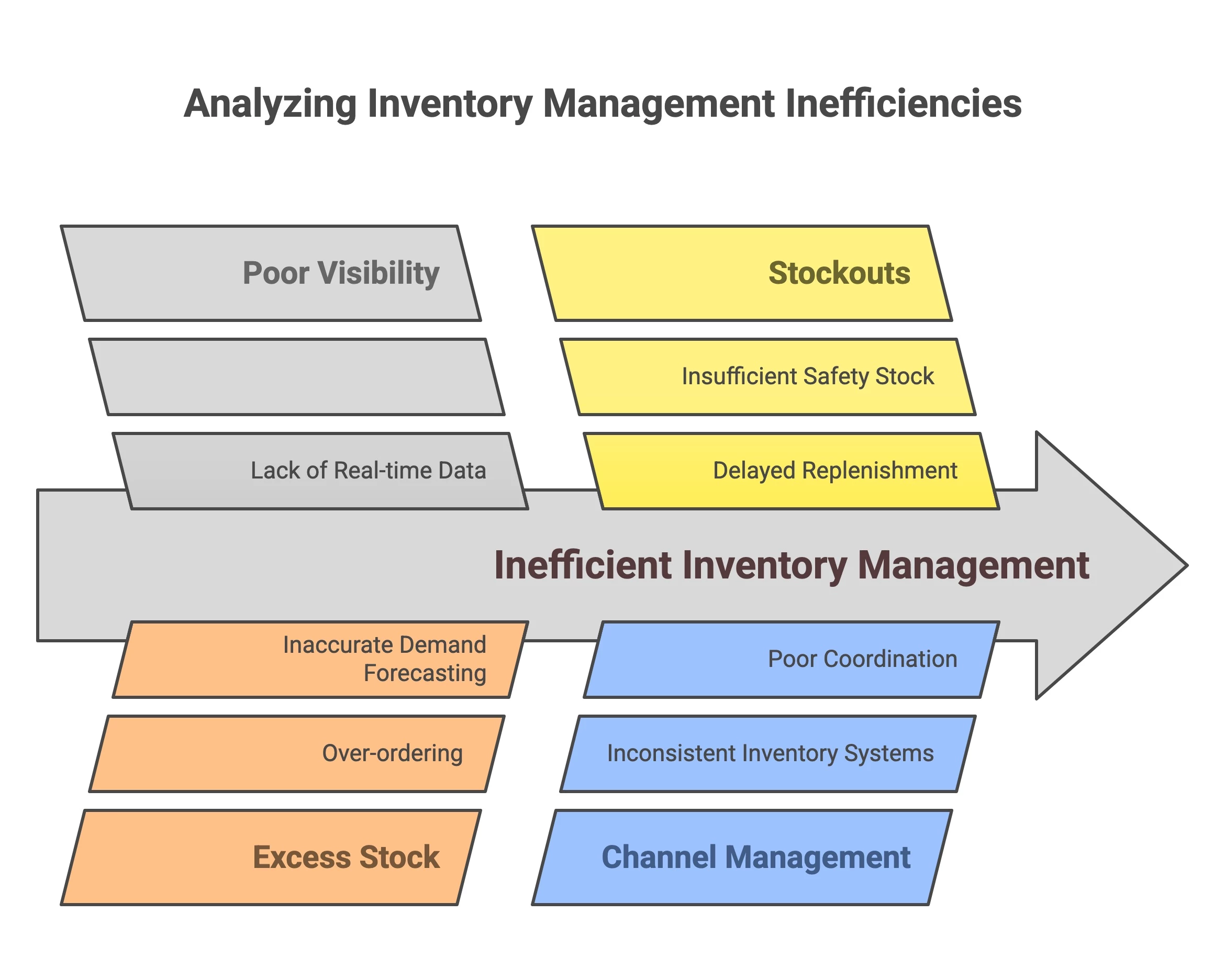
“Physical separation by channel is fraught with inefficiency and unnecessary when virtual stock pools offer more flexibility and better control over one’s overall stock level,” Chris explains.
Without a centralized view of inventory, brands can't accurately forecast demand or fulfill customer expectations, and that compromises both revenue and retention.
Linnworks addresses this by unifying inventory data across every sales channel and warehouse, allowing businesses to make decisions based on real-time availability.
Where Fulfillment Fails, Costs Pile Up
Even when inventory is well-managed, poor fulfillment can silently erode profit.
Delays, high shipping costs, and mismatched delivery methods don’t just inflate operational expenses — they frustrate customers, hurt brand perception, and jeopardize future sales.
Chris sees fulfillment as a margin-protection strategy in its own right.
“Get it wrong and costs can escalate as well as marginalising customer satisfaction with a knock-on effect on one’s revenue potential. Finessing fulfillment to ensure it is timely but efficient can make or break one’s profitability,” he says.
That finesse becomes critical as brands grow, especially when managing multiple SKUs, delivery partners, and customer expectations across regions.
A single point of failure in the shipping process can cause costly ripple effects.
One multi-brand retailer experienced this firsthand.
Relying on a single shipping provider and manual workflows, they were losing around $5,000 every month in penalties.
It’s a direct result of routing the wrong inventory through the wrong fulfillment channels.
With limited visibility and no automation, there was no way to scale efficiently or adapt on the fly.
That changed after implementing Linnworks.
Connecting the retailer to multiple shipping partners and applying automation through its rules engine let Linnworks optimize routing and packaging decisions at scale.
The takeaway: fulfillment mistakes aren’t just operational inefficiencies; they’re recurring, quantifiable losses.
Introducing automation and shipping flexibility allowed brands to eliminate waste, reclaim margin, and restore trust with their customers.
Automation Is How You Scale Without Chaos
As businesses expand, complexity rises, and so does the potential for costly mistakes.
Manual inventory systems that once felt manageable quickly become bottlenecks as order volume, fulfillment partners, and customer expectations multiply.
Chris is clear: scaling successfully depends on removing friction from every step of the inventory lifecycle.
“End-to-end inventory management from source through the sale to fulfillment is imperative using technology coupled with efficient processes. As volumes grow, an operation can only scale if automation is in place.”
Relying on human input for order routing, label generation, and inventory updates opens the door to delays and inconsistencies.
Linnworks closes that gap with automation that spans the entire operation, reducing errors and accelerating fulfillment without sacrificing control.
With repetitive tasks offloaded, teams can shift their focus to strategy and customer experience, the areas that truly drive long-term growth.
AI Brings Predictability to Unpredictable Demand
The next frontier of inventory and fulfillment is being shaped by AI.
As consumer behavior becomes more complex and real-time responsiveness becomes a business expectation, predictive technology is quickly moving from innovation to requirement.
Chris believes AI will soon become foundational to operations, especially in helping teams make faster, more confident decisions.
“Decision-making is faster and surer with AI, creating new and revolutionary adaptations in processes. AI will become commonplace and table stakes when managing inventory and fulfillment.”
Predictive models help businesses forecast demand, prepare for seasonal shifts, and preempt fulfillment slowdowns.
The result? Smarter stock levels, faster deliveries, and more satisfied customers without the constant firefighting.
The Right Tech Partner Shares Your Mindset
Technology matters, but so does the team behind it.
Many tech partnerships fail not because the platform is inadequate, but because the relationship isn’t built on shared goals, communication, and adaptability.
For Chris, choosing the right partner means choosing one who operates with your long-term success in mind.
“Synergies in terms of business approach, values, and people characteristics are incredibly important to ensure longevity. Win-win alliances are mandatory.”
Linnworks’ approach is built around integration and flexibility, but also around collaboration.
It's not just about giving clients access to tools. It's also about helping them use those tools to solve real business problems.
Closing Advice: Let Data Lead, and Focus on the Customer
Efficient inventory and fulfillment systems are often framed as backend processes.
But in practice, they shape the most visible part of the customer experience: product availability, delivery speed, and reliability.
The businesses that thrive aren't just the ones that move stock quickly. They're the ones that treat fulfillment as an extension of their brand promise.
That means using automation to drive speed, using analytics to guide decision-making, and choosing technology partners who can help adapt to constant market shifts.
Chris urges retail leaders to look beyond isolated improvements and focus on the bigger picture: aligning operations with customer expectations, not just internal KPIs.
Operational excellence and customer satisfaction are two sides of the same coin.
And when inventory and fulfillment are optimized — profit margins, loyalty, and growth tend to follow.