

Key Takeaways:
- Auditing media strategies helps brands refine messaging and targeting, leading to more efficient spend and improved results.
- Focusing on marginal returns allows brands to optimize ad spend and drive more meaningful growth.
- Synchronizing marketing with product availability boosts efficiency and drives higher revenue while reducing wasted spend.
Scaling a brand across markets isn’t just about increasing ad spend or rolling out flashy creative.
It requires building systems that balance performance, efficiency, and local relevance at scale.
And the data backs it up. A 2024 study by McKinsey found that businesses leading in digital and AI capabilities deliver shareholder returns up to six times higher than their peers.
The takeaway? Digital maturity isn’t just a technical edge — it’s a competitive one.
So how can brands apply this insight in practical terms?
Here are four proven growth tactics — backed by results from performance marketing agency Neon Growth.
From high-velocity DTC brands to global lifestyle giants, their case studies show how the right systems can turn ambition into sustained impact.
Editor's Note: This is a sponsored article created in partnership with Neon Growth.
1. Start With a Creative Audit — Then Build for Conversion
One of the fastest ways brands lose money at scale is by running bad creative. Whether it’s outdated, fatigued or simply misaligned, creative matters.
Even high-performing campaigns plateau when the messaging no longer resonates or when the targeting is too broad.
That’s why a creative audit isn’t just a nice-to-have — it’s a growth multiplier.
When done well, it uncovers what’s working, what’s not, and where opportunities lie to improve targeting, strengthen messaging, and drive better ROI.
What to focus on:
- Review existing ad assets for clarity, relevance, and performance.
- Cut low-performing audiences and placements to eliminate wasted spend.
- Refresh copy and visuals to align with specific buyer pain points and motivations.
- Use testing matrices to prioritize the highest-leverage creative variations.
Luxury coffee brand Spinn applied this exact approach with Neon Growth.
The team audited performance data, refined audience segments, and rebuilt ad content around USPs and differentiators like G-Force flavor extraction.
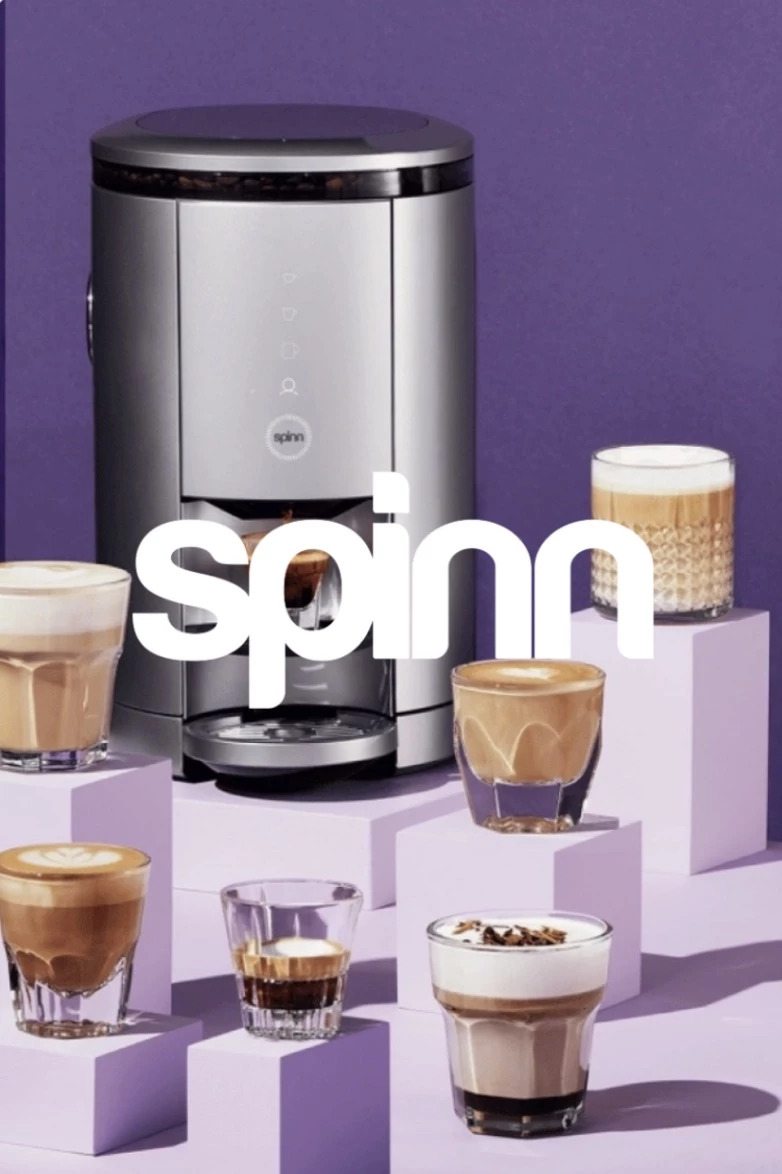
As a result, Spinn increased purchases by 230% with only a 17% increase in budget and cut cost-per-acquisition by 72% over four months.
“When brands scale up, they often underestimate the volume of creative needed to sustain performance. In addition to being more creative, ads need to expand to new audiences to sustain growth,” said Rosie Osmun, COO at Neon Growth.
2. Focus on Incrementality, Not Just Scale
When brands scale too fast without a clear system for measuring marginal return, it’s easy to burn through budget with little lasting impact.
The most efficient growth teams treat every dollar as an experiment, investing in what drives measurable outcomes — not just surface-level metrics.
Instead of chasing clicks or reach, the goal is to isolate what’s actually moving the needle.
Where to focus:
- Structure campaigns to measure incremental lift, not just total volume.
- Pause or reallocate spend when diminishing returns start to appear.
- Use a testing methodology that distinguishes true performance drivers from vanity metrics.

As speaker brand Soundboks expanded into the U.S., Neon Growth restructured their campaigns with a focus on incrementality, not just ROAS.
This meant reallocating spend based on marginal return, refining their testing framework, and improving existing creative assets for conversion.
The result:
- 5.5x more purchases
- 44% drop in CPA
- 1,100% increase in reach
And this is all while avoiding wasted spend on non-incremental growth.
“When aiming for incremental growth, it’s important for brands to have strong data hierarchy that separates new from existing customers. This allows you to allocate ad spend in the most incremental matter, accounting for LTV and preventing excessive bottom funnel investment,” said Dan Sava, founder at Neon Growth.
3. Align Ad Strategy With Product and Inventory Realities
Many performance issues in paid media aren’t media issues at all — they’re merchandising problems in disguise.
Pushing out-of-stock or low-margin products drains budgets fast and frustrates would-be customers.
High-growth brands know their product strategy and ad strategy must move in sync.
When media and merchandising align, marketing becomes more efficient — and more profitable.
Where to focus:
- Build product feeds that segment SKUs with healthy inventory and better margins.
- Adjust campaigns dynamically to offload aging or seasonal stock.
- Segment audiences based on behavior and match them to the right product sets.

Women’s apparel brand Glitzy Girlz Boutique drove 165% revenue growth in just seven months after syncing its ad strategy with real-time merchandising data.
Neon Growth implemented a feed-driven approach that surfaced high-velocity, in-stock items, while strategically clearing aging inventory.
This alignment not only boosted revenue but also cut cost per add-to-cart by 50%.
“The data feed is an untapped gold mine for many brands, especially those with catalogs over 100 SKUs. In addition to trend, price and inventory segmentation, we also utilize dynamic creative overlays to supercharge catalog-based ad placements,” added Osmun.
4. Explore New Channels to Unlock New Markets
While Meta and Google remain the mainstays of digital advertising, fishing in the same pond can limit a brand’s reach over time.
As budgets and growth goals grow, it’s important to diversify the channel mix. This is doubly true for brands with considerable younger audiences or harder to reach segments, like wealthy men for example, who spend less time on Facebook and Instagram.
Effectively scaling channels like TikTok, Reddit, and X does come with more measurement challenges however.
Where to focus:
- Determine your existing and likely target audience demographics, and then research which digital platforms they are likely to utilize.
- Integrate MMM tracking to understand a more robust overview of the touchpoints your audience has with your advertising, beyond last click.
- Adapt creative to key channels for maximum engagement and ROAS.
When MagBak, a minimalist tech brand, hit a growth plateau, Neon Growth identified key opportunities for expansion beyond the existing ad channels.
Utilizing an MMM partner, Neon Growth was able to identify non-incremental spend on Google and Meta. This budget was re-distributed across the funnel and deployed to new channels like TikTik.
After 6 months, the brand grew their new customers by 12% and overall conversion by 30%.
“Utilizing robust media mix modeling enables you to invest your media spend where it truly matters - reducing inefficiencies and driving transformative results,” said Sava.
Bottom Line: Growth Comes From Systems, Not Stunts
Brands that successfully scale have one thing in common: a disciplined approach to performance.
Whether it’s coffee, fashion, or tech, the brands in Neon Growth’s portfolio scaled by aligning marketing strategies with core business goals, rigorously testing, and optimizing for results that truly matter.
For teams aiming to scale profitably — and globally — the takeaway is simple:
Don’t start with more spend. Start with better systems.