
With changing user preferences, app development companies should create designs with both the users and the brand in mind.
The strategy to success: seamlessly aligning a design with a brand's unique identity while prioritizing an intuitive UX design.
In this interview, Pocket App Design Director Jake Davis shares they employed a multi-faceted approach to achieve this, resulting in 200,000 downloads and seven awards for the WWF app.

Who Is Jake Davis?
Jake joined Pocket App shortly after its founding in late 2010. Throughout his tenure, he has crafted award-winning user interfaces for a wide range of mobile and web projects. Now leading the design team, Jake has collaborated with notable clients such as WWF, Sky, and Adidas, helping Pocket App leverage mobile technology in meaningful ways.
Over the years, Pocket App needed to evolve and keep up with rapidly changing mobile app development trends.
Jake says many clients initially wanted apps just because their competitors had them, and Pocket App overcame this by challenging briefs and focusing on the actual needs of businesses rather than just developing apps for the sake of it.
“We have built trust and long-term clients by becoming an extension of their internal term and partnering with them to ensure the product is not just delivered and launched successfully but maintained and improved by implementing a long-term roadmap,” he adds.
Now, the agency offers free app clinics to provide initial guidance and showcase its expertise to current and potential clients.
Pocket App's 4D Process for App Creation
Jake explains that Pocket App follows a 4D process to ensure it manages each project stage meticulously and meets client expectations consistently:
- Discover: Thoroughly analyzing project requirements, conducting research, and engaging with stakeholders, which includes competitor analysis, user research, and defining project goals
- Design: Creating user-centric designs and developing wireframes and prototypes with continuous feedback and user testing to refine UX and UI
- Develop: Prioritizing test-driven development and continuous integration for high-quality code and timely updates
- Deploy: Monitoring the app post lunch with built-in analytics, providing ongoing support, gathering user feedback, and making proactive improvements to ensure the app remains relevant and effective
“This structured approach, combined with our emphasis on communication and feedback, ensures that every project is aligned with client expectations and achieves the desired outcomes,” he highlights.
DesignRush featured Naked Development Founder and CEO John Driscoll in a podcast to discuss the challenges he faced as a mobile app developer getting people to use his apps. Watch our video below to discover how to increase mobile app downloads:
According to Jake, "the foundation is effective data collection and analysis," and for this, Pocket App uses several research methods to gather insights:
- Extensive competitor and industry research for new platforms to identify unique selling points (USPs) and opportunities, ensuring the project stands out in the market
- Competitor data and existing app analytics for existing solutions to understand user needs and improve user experience based on real feedback
- Company process examination and stakeholder engagement to design internal tools that streamline workflows and add value to the business
Jake adds that they also employ various UX research methods like deploying in-app feedback forms for broad user surveys and conducting in-depth user interviews and focus groups to "understand user needs, preferences, and pain points on a deeper level."
He also points out a few factors they consider when making technology recommendations for clients: the target audience, performance requirements, budget and timeline constraints, and scalability and maintenance.
How to Deliver an Intuitive Brand Experience
Jake shares the following key elements that organizations should consider to deliver intuitive brand experiences when developing apps in 2024:
- Performance and reliability: Users expect apps to function smoothly and without lag.
- User-centered design: Emphasize intuitive UX and UI to ensure ease of use. Personalization has become crucial, tailoring content to individual preferences and behaviors to boost engagement.
- Consistency across platforms: Ensure a seamless experience on various devices.
- Security and privacy: Implement robust measures to protect user data and build trust.
- Regular updates and feedback integration: These are vital for keeping the app relevant and responsive to user needs.
Understanding these key elements sets the perfect stage to delve into how solutions can be seamlessly aligned with unique brand identities while prioritizing an intuitive UX design.
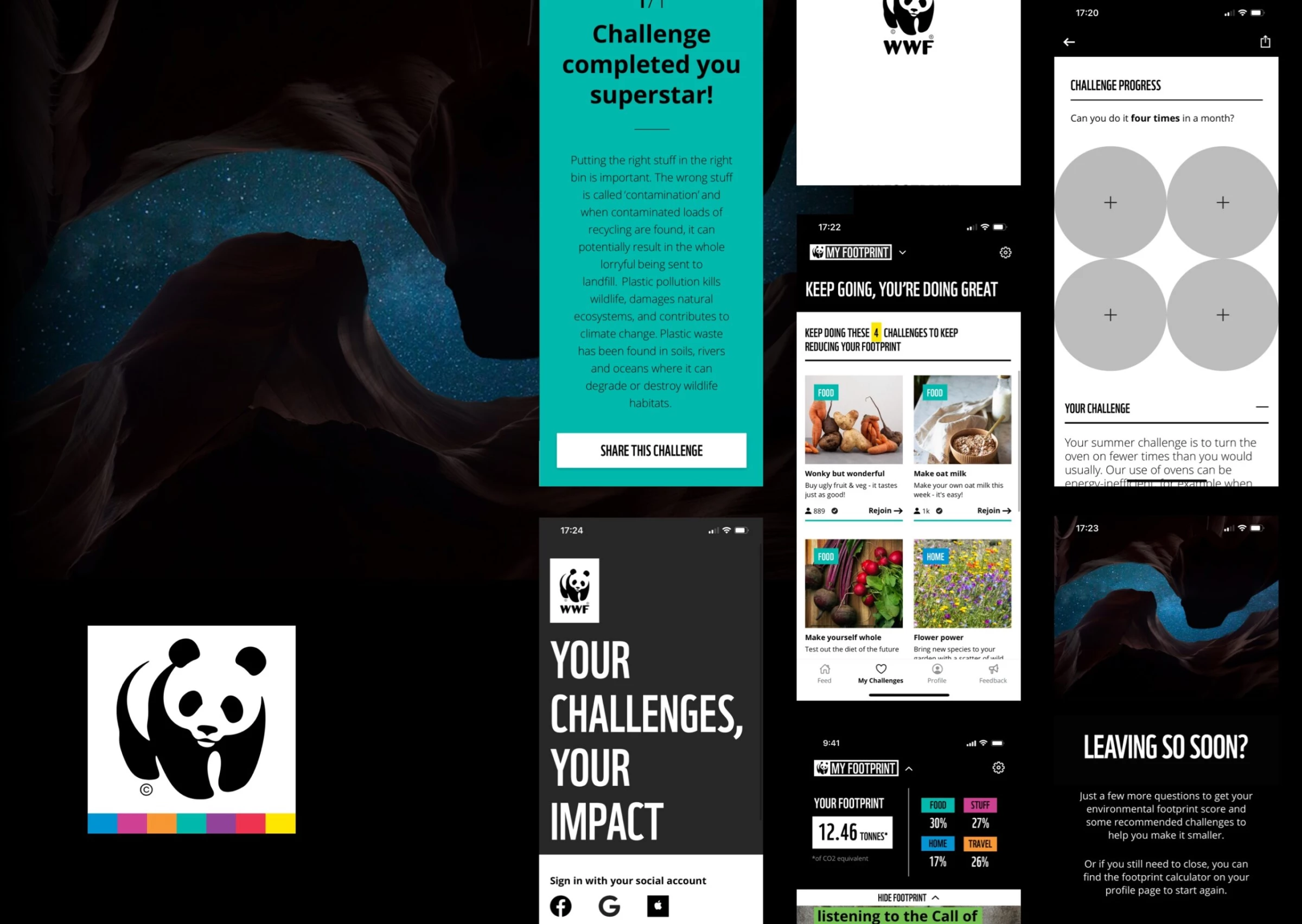
Jake cites Pocket App's case study on the "WWF My Footprint" app to highlight how the agency successfully achieved this.
He explains that "My Footprint" was designed to inspire users to make eco-friendly behavioral changes, such as switching to sustainable alternatives and saving water. So, maximizing the app’s reach was crucial to achieving a global environmental impact.
To appeal broadly, they conducted extensive research, including user feedback and usability tests, gathering diverse feedback crucial for design and functionality adjustments after launch.
Pocket App then integrated WWF's conservation values into the app design, using its branding to enhance the user experience and developing intuitive interfaces for easy user interaction.
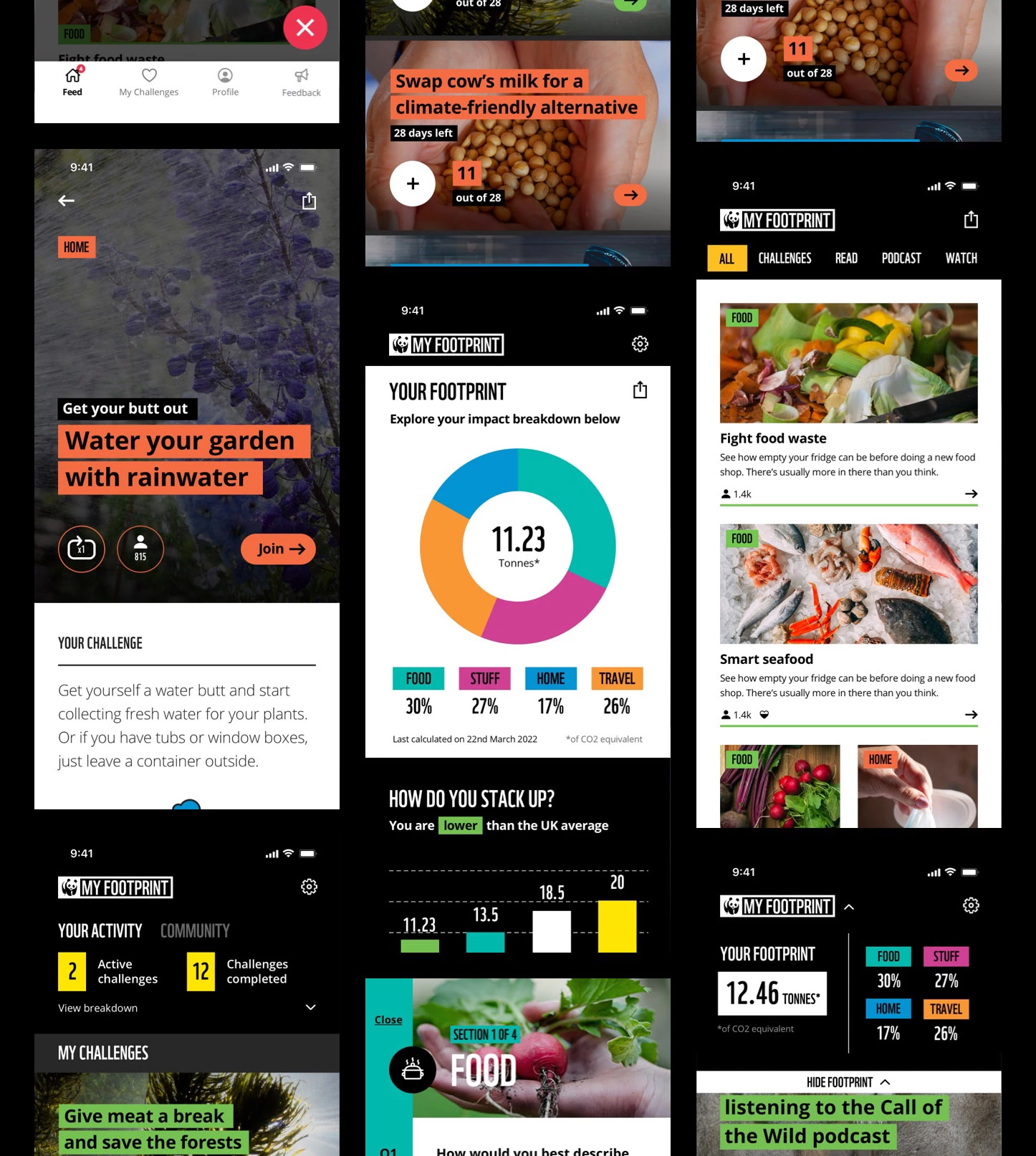
“The outcome was a highly successful app that not only aligned with WWF’s brand but also provided an engaging and intuitive user experience.
The app achieved over 200k downloads and saw more than 160k challenges completed, indicating significant user engagement and behavioral change.
The app’s success was further validated by positive user feedback and multiple features in the App Store. It has also won 7 awards including App of the Year,” he says.
Hyper-Personalization in App Design
Given that hyper-personalization is one of the major trends in app design, Jake gives his best advice for businesses looking to implement this trend effectively:
“It's crucial to maintain transparency about data usage and offer users control over their information to build trust. Personalization should be contextually relevant, considering the user's current situation and location.
Continuous optimization based on user feedback and evolving trends ensures the personalized experience remains effective and engaging.”
Lastly, Jake shares the major app design trends that brands should incorporate to stay relevant in 2024, which include minimalism, brutalism, personalization, and accessibility.
“To effectively incorporate these trends, brands should adopt a user-centric design approach. Prioritizing user needs and preferences is crucial, as is regular user testing and feedback integration to refine and optimize the app.
Leveraging data analytics aids in personalizing user experiences, while adhering to accessibility guidelines ensures inclusivity,” he concludes.
Mobile app development is an extremely complex process that needs careful consideration every step of the way.
While creating an app may be overwhelming for many businesses, finding the right agency and putting your trust in developers' expertise can lift a huge burden off your shoulders.