
Pizza Hut is dropping the "Pizza" from its name on social media and at its Plano, Texas restaurant.
The $1.5 billion sale of the chain by Yum Brands to private equity firm LongRange Capital is set to close at the end of August.
And the brand is running a national campaign without a permanent global CEO in place.
Aaron Powell stepped down this month, and neither Yum Brands nor LongRange has named a replacement.
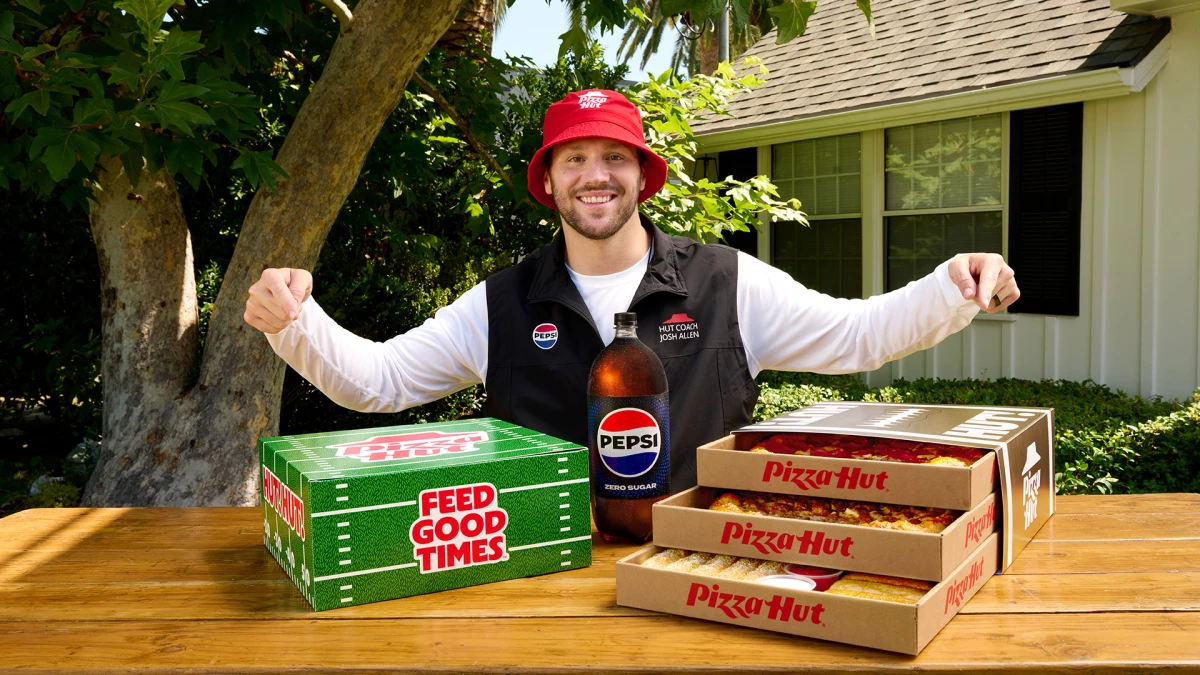
Buffalo Bills quarterback Josh Allen and Pepsi front the campaign. The point is the word "hut" itself.
After all, it's the one word shouted before every snap, from Pop Warner to the NFL.
The campaign arrives while Yum works through the final steps of a deal that splits Pizza Hut into two.
LongRange takes everything outside mainland China for about $1.5 billion.
Meanwhile, Yum China already closed on the domestic arm for $1.2 billion on August 7.
The change to "Hut" comes mid-transaction, and Pizza Hut U.S. CMO Melissa Friebe kept her explanation focused on football.
"Josh Allen is exactly the kind of quarterback we want in our corner on gameday," she said in a press release.
"He brings the energy, the personality and, of course, plenty of 'Huts' to the field."
Friebe sees the campaign as a nod to every quarterback, from the pros to the person running a backyard tailgate.
She adds that Pizza Hut is honoring this tradition with a shot at free pizza for life.
It's a wide net for a campaign, cast in the final stretch before a new CEO signs off on what Pizza Hut does next.
What the Ownership Window Means
A brand mid-sale usually sits still and protects what it's selling. Instead, Pizza Hut spent it on a name change.
Whether LongRange had a say in that decision, or whether it was locked in before the deal closed, isn't public.
The commercial itself carries the load.
Allen appears with Hutty in a 15-second spot where the two deliver value boxes on a branded golf cart.
Fans can upload their own "Hut" videos at a dedicated site for a chance at the free-pizza prize.
Three deals back the push:
- A $10 large three-topping pizza
- A new Triple Treat Box Gameday Edition, two pizzas, breadsticks, and cinnamon sticks, starting at $21.99
- A limited pizza box with a cutout that becomes field goal posts, and two boxes set back-to-back make a full field
All of it works as a football promotion on its own.
The timing tracks with the sale, since a chain heading into new ownership needs sales numbers to hand over.
And NFL Sundays are the most reliable traffic window Pizza Hut has.
What Marketers Can Take From a Sale-Timed Campaign
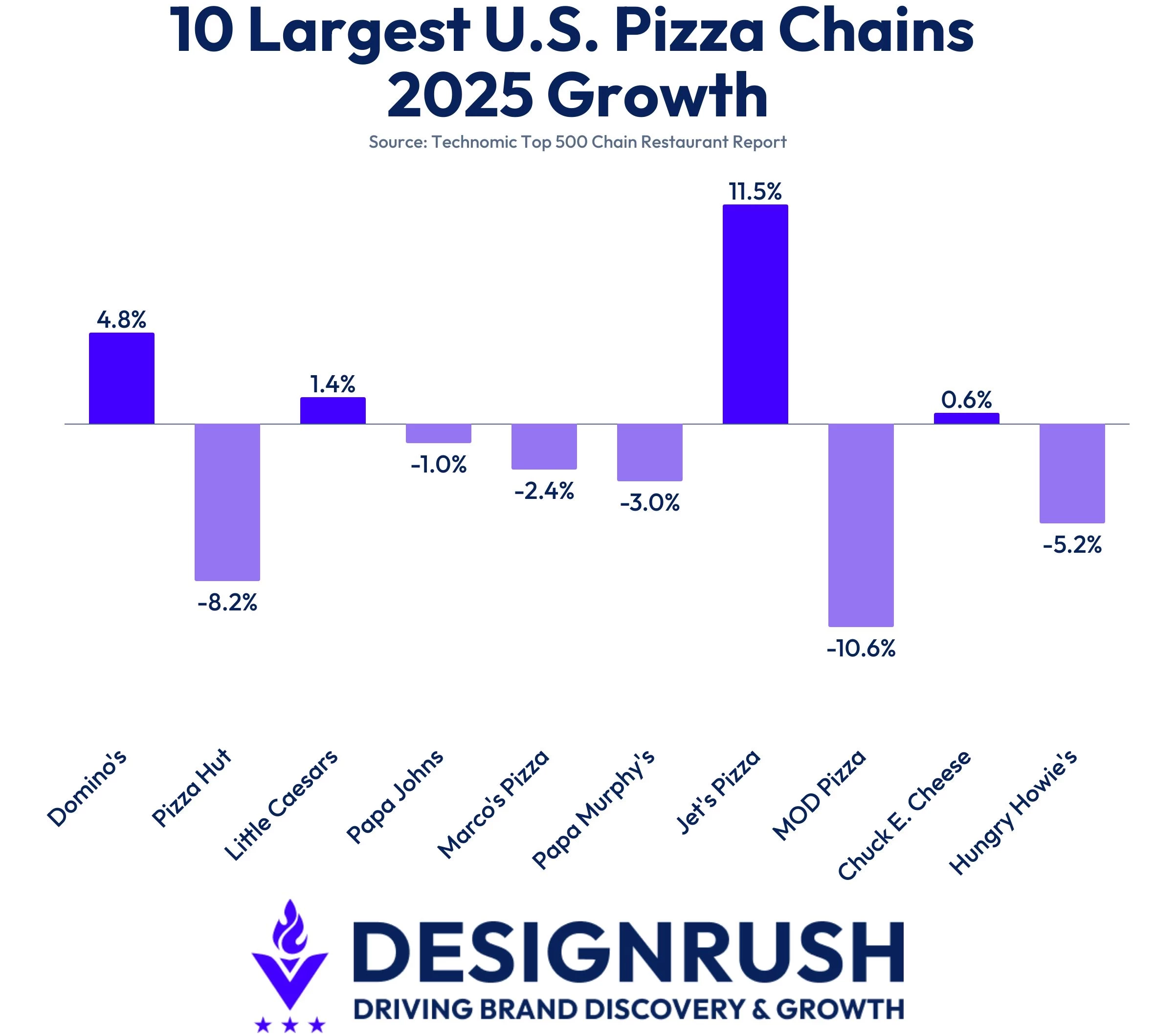
Yum's Pizza Hut U.S. business posted$139 million in Q2 revenue, up 4% year over year.
Meanwhile, Yum reported $2.17 billion (up 12%) in the same quarter and experienced 5% global sales growth in 2025.
However, the bigger picture makes these numbers a little more ambiguous.
Global same-store sales fell 1% in Q2, U.S. system sales dropped 5%, and division operating profit fell 12% to $70 million.
A name-change stunt costs almost nothing to run, which matters when the operating numbers look like these.
Ownership transitions usually freeze marketing spend, which is exactly when a brand loses ground it doesn't get back.
- Use visibility as a handoff signal: A campaign that runs during a sale close tells the buyer what the brand still knows how to do on its own.
- Let a recurring character carry continuity: Hutty shows up whether or not a big celebrity name is in the frame, which matters more when leadership is about to change.
- Keep the marketing calendar public and the deal calendar quiet. Consumers who know nothing about the buyer will still order the $10 pizza.
Brand identity survives ownership changes only when it's tied to a season, a face, and a habit people already have.
Pizza Hut is locking all three in before the paperwork clears.
Our Take: Who Gets Credit When the Timing Works?
A campaign built for one owner can end up serving the next one, and nobody signs a memo about that.
The interesting question here is who inherits the goodwill from it.
LongRange doesn't own Pizza Hut yet, but it's about to own the brand equity this campaign is spending.
Still, we think that LongRange should have had a say here, though nothing public suggests it did.
LongRange runs 24 Hour Fitness, a ski resort group, and a deathcare company, and it has never operated a restaurant chain.
We'd want to know how LongRange plans to fund a turnaround when the $1.5 billion price tag nearly matches the $1.8 billion the firm manages in total.
LongRange inherits Allen, Hutty, and the Pepsi tie-in on day one.
Franchisees will find out during the fourth quarter how much of this ad spend the new owner wants to keep.
Restaurant brands facing changing consumer expectations often need specialized support across operations, customer experience, and growth strategy.
Explore these top restaurant digital marketing agencies to find partners that help legacy brands stay competitive.