
Pinterest's 'Get Festive' Campaign: Key Findings
- The platform released a 30-second film showing two users moving from doomscrolling to an IRL party setting.
- The campaign was produced in-house by Pinterest’s House of Creative as part of its broader “How Did They Do It?” rollout.
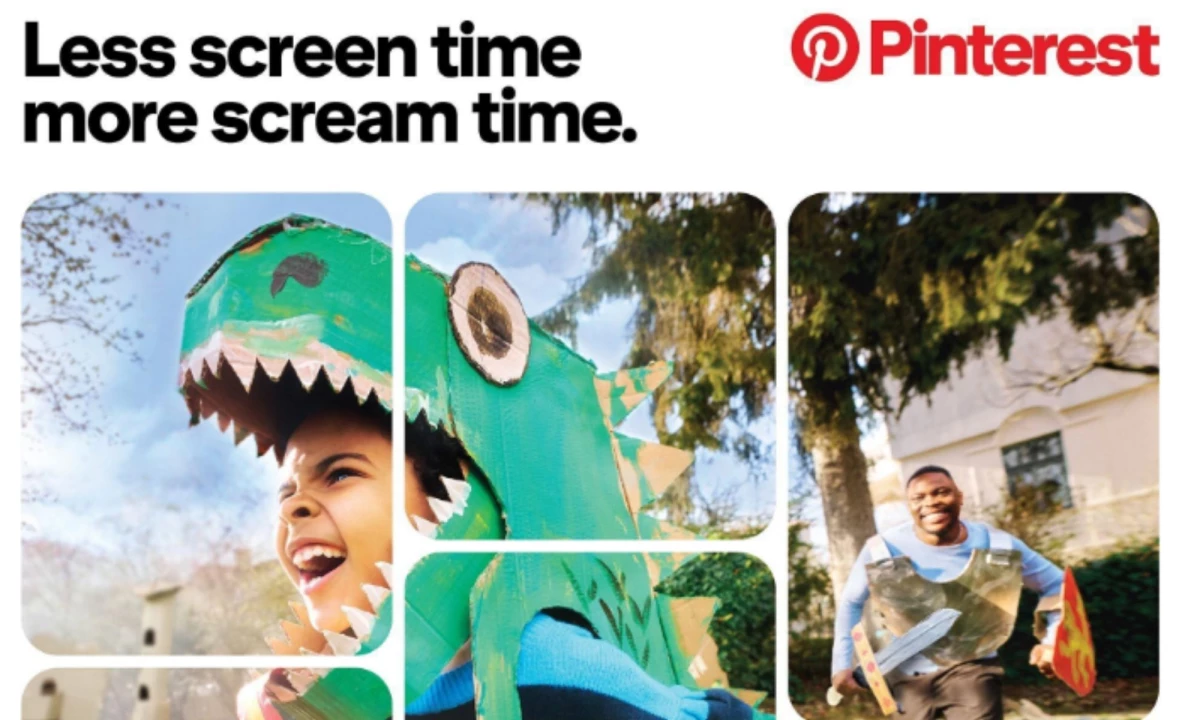
- The rollout includes OOH pin-grid placements and cinema executions.
Pinterest is pushing its "log off and live" positioning into more literal territory with a new campaign installment.
Created in-house by Pinterest's House of Creative, the spot translates doomscrolling fatigue into physical offline movement.
The ad follows two girls in a bedroom scrolling on social media before one opens Pinterest to find styling ideas that lead them to leave home and attend a party.
It forms part of a series of ad campaigns rolling out across channels.
It builds on the platform’s earlier campaign phase, covered by DesignRush, which introduced the broader "How Did They Do It?" campaign.
The rollout spans cinema, TV, digital, and outdoor placements, extending the same behavioral narrative across environments where screen use is already active.
Pinterest Pushes for More IRL Activity
The new installment strips the concept down to a simple visual contrast.
The opening scenes are quiet and repetitive. A couple of young girls are absorbed in their screens and disconnected from each other despite sharing the same space.
That changes when Pinterest enters the frame. The visual platform acts as a trigger to real-life activities.
"Most platforms are engineered to keep you scrolling through other people's lives. Pinterest is engineered to get you off the app and into yours," said Claudine Cheever, CMO at Pinterest, in a press release.
What follows is a rapid escalation from stillness to expression.
The girls transition into dressing up and heading out, ending in a social setting that replaces isolation with shared dancing energy.
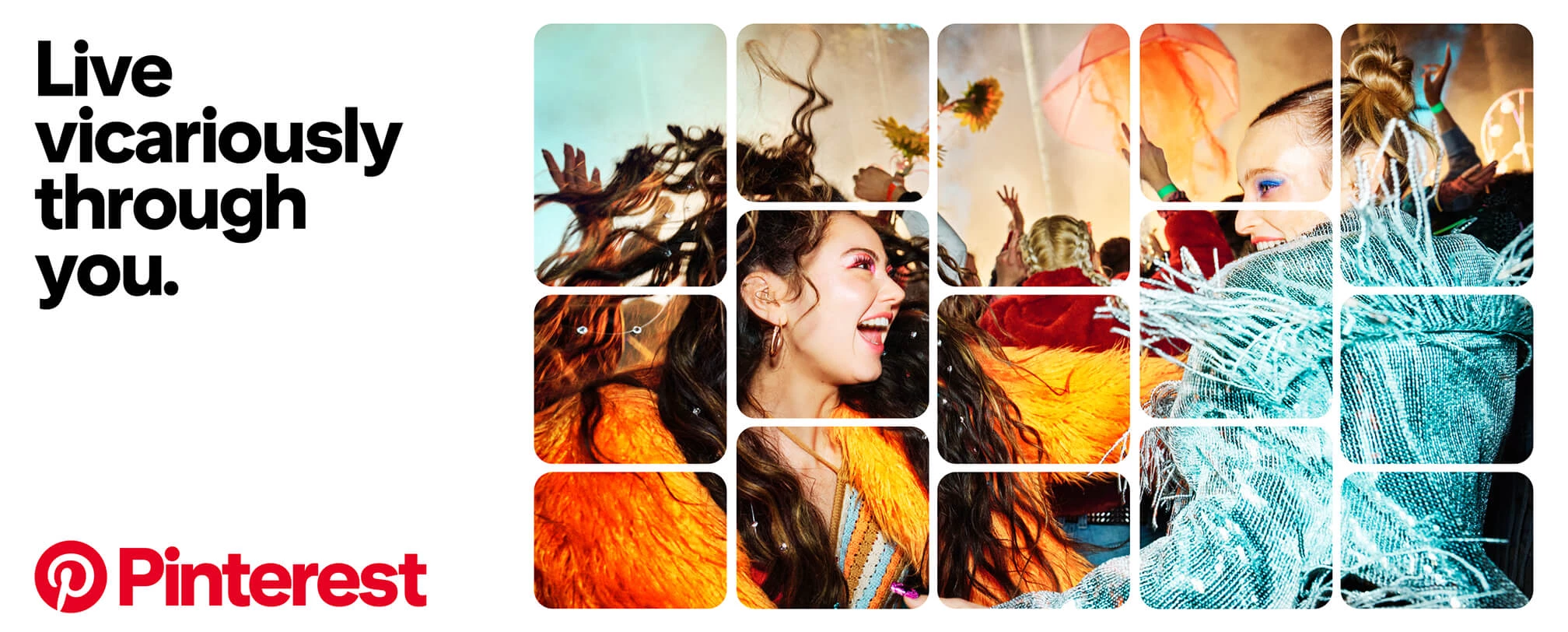
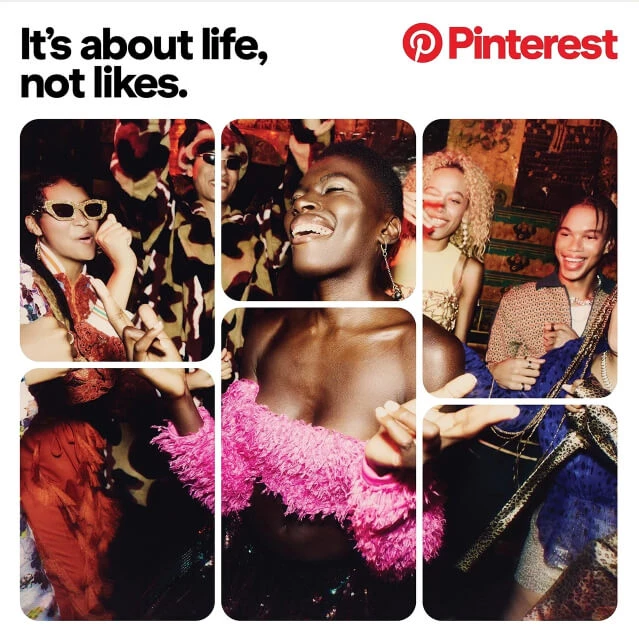
The spot is supported by outdoor placements that use the platform’s pin-grid structure to display real-life scenes paired with short copy lines.
The broader campaign also includes a "silence your phone" cinema advert to play before movie screenings.
This distribution strategy signals a more aggressive creative evolution for the brand.
It continues its broad cultural commentary into behavioral storytelling and mirrors how users already describe digital fatigue.
Campaign Expands Beyond the Feed
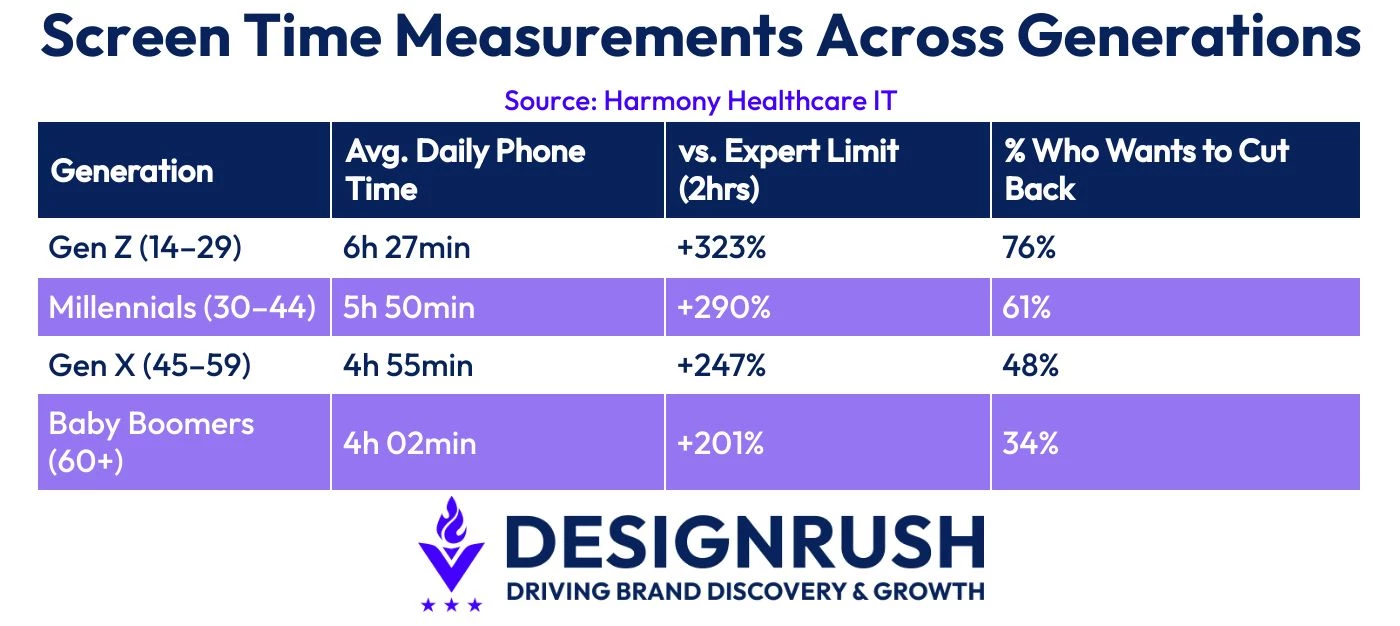
Pinterest taps into growing awareness around screen fatigue and intentional tech use, especially among younger users.
With the new creative, the brand flips the script:
- Less time on-platform becomes part of the value proposition.
- Inspiration is positioned as a means to living real life.
That's a notable shift in a category still dominated by engagement metrics.
"That's a fundamentally different value proposition, and this campaign is our boldest statement of that yet. We're not just launching creative, we're making a case for what the internet should actually be," said Cheever.
Billboards use Pinterest's pin grid to show people in real-life scenarios, paired with lines like "Less URL. More IRL" and "It’s about life, not likes."
In cinemas, the brand takes over pre-show etiquette with a "silence your phones" message that reinforces the same behavior shift.
Together, these executions contextualize brand messaging and reveal to marketers how to show up to digitally fatigued audiences.
- Behavioral framing replaces passive scrolling habits. Marketers should design narratives that move users toward action instead of prolonged consumption.
- Environment-based placements reinforce message retention. Cinema and OOH placements place the message in environments where screen behavior is already top of mind.
- Value is moving from screentime to offline quality. Success comes from what users do after leaving, not how long they stay.
The brand strategy reduces reliance on single-channel storytelling and distributes behavior change across multiple exposure points.
Our Take: Can Pinterest Credibly Promote Reduced Screen Time?
The "Get Festive" execution avoids answering this directly and focuses on observable behavior.
Pinterest's earlier work in April established the core messaging.
This campaign demonstrates what that concept looks like in practice, using a scenario that feels familiar without overstating the point.
We think this is where the risk lies. A platform built on engagement is telling users to step away.
If discovery does not reliably lead to action, the narrative loses operational weight and becomes surface-level messaging.
But if the behavior holds, the model reframes how inspiration platforms justify engagement by linking usage to offline outcomes, not time spent in-feed.
Still, the evolution of the brand's value proposition could prove successful given Gen Z's desire for less screen time.
Meanwhile, Twitter spent over a decade creating one of the most recognizable brand logos in modern history. That all changed in a matter of days
Social platforms need partners who already know where audience trends are headed.
Explore these top social media agencies to build campaigns that connect audience behavior to brand value.