
PepsiCo's Corporate Rebrand: Key Findings
- Its first corporate rebrand in 25 years links over 500 global brands under one shared identity built around clarity, emotion, and purpose.
- The new design system with a more stylized “P” draws from real materials and human touchpoints to represent sustainability and everyday connection.
- PepsiCo’s Q3 2025 net revenue nears $24 billion, reflecting its size and the importance of a consistent corporate identity across global markets.
PepsiCo has introduced a corporate rebrand for the first time in 25 years.
The update marks a bigger effort to connect more than 500 food and beverage brands through a single story that feels human and simple, yet still familiar.
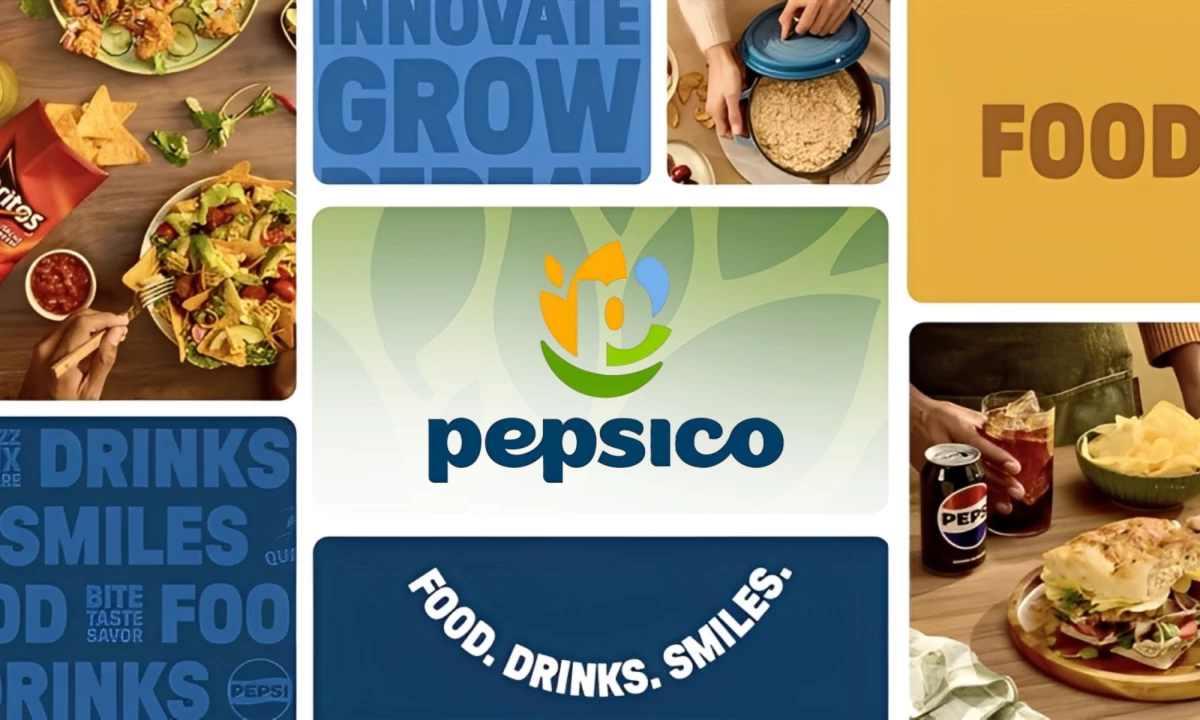
The design centers on a new “P” symbol shaped by icons for grain, water, and a smile, replacing the blue and red globe that had defined the company’s image since 2001.
Together, these new symbols represent how PepsiCo wants to be seen: approachable, modern, sustainable, and grounded in everyday life.
"Our new identity boldly reflects who we are in 2025: a company with expansive reach, aiming for positive impact across the globe and an unmatched family of beloved food and drink brands,” PepsiCo Chairman and CEO Ramon Laguarta said in a news release.
This new visual identity also carries the company's mission through the tagline “Food. Drinks. Smiles.”
Food represents care, drinks reflect energy, and smiles capture the emotion that connects them all.
Designing a Corporate Identity for 500 Brands
PepsiCo’s origins trace back to 1965, when Pepsi-Cola and Frito-Lay joined forces in a mega merger.
Over the decades that followed, the company grew into a portfolio that now includes household names such as Lay’s, Gatorade, Quaker, Tostitos, and poppi.
However, internal research found that only 21% of consumers could name another PepsiCo brand beyond Pepsi.
The finding pushed the company to clarify its corporate brand voice and show the connection between its products.
The logo’s color palette takes cues from natural materials like soil and water, while its lowercase typography conveys ease and approachability.
“By putting smiles at the heart of our visual identity, we’re signaling our obsession with consumers, and that obsession fuels our growth,” Jane Wakely, PepsiCo's chief consumer and marketing officer and chief growth officer of international foods, shared.
The identity will first appear across PepsiCo.com and its social channels, followed by packaging and physical environments in markets worldwide.
This new corporate look follows Pepsi’s 2023 logo redesign, as well as Lay’s new logo and packaging introduced earlier this month.
Both of these rebrands modernize familiar visuals while retaining heritage.
Together, these changes signal a new strategy.
The global conglomerate is tightening the visual and values link between its brands so every sub-brand inherits the parent’s equity and purpose.
Rebranding as Strategy
PepsiCo’s rebrand also works in tandem with its “pep+” sustainability framework, which ties growth to responsible production and long-term environmental goals.
Earlier this year, it launched a clean-label shift for Lay’s and Tostitos, removing artificial additives from its flagship snacks to reflect rising consumer demand for natural ingredients.
Now, a curved smile runs through the new design, to show directly the company’s promise to create "more smiles with every sip and every bite.”
PepsiCo reported Q3 2025 net revenue of $23.94 billion, with net sales increasing by 2.6%.
Growth outside North America helped offset softer snack and beverage demand at home, where the company has been recalibrating prices, pack sizes, and product mix to stay competitive.
"As leaders in the category, we're always looking at the health of the category," Laguarta explained during Q2 2025's earnings call
We're trying to make granular investments in value, make sure that consumers say within our brands, better entry points, better value every day, and that has been successful."
And this brand strategy ties together a clear pattern across its recent rebrands, with each connecting modernization with sustainability, value, and cultural relevance.
PepsiCo’s corporate rebrand offers practical insights for teams shaping identity at scale:
- Design for recognition. A strong corporate identity connects sub-brands without erasing their individuality.
- Translate purpose into visuals. When sustainability or people-first values show up in design choices, they resonate as lived values.
- Align creative work with business intent. A visual identity becomes strategy when it reflects how a company grows, communicates, and earns trust.
This latest move transforms PepsiCo from a “house of brands” to a “branded house,” reinforcing how design can express unity without losing warmth or humanity.
PepsiCo Design Director Mauro Porcini expands on this approach, discussing the details of the company’s recent Lay’s rebrand.
Our Take: Can a Logo Carry Human Purpose?
I think it definitely can as long as it stands for shared intent.
PepsiCo’s corporate rebrand organizes the meaning of its sub-brands into a whole.
The design language reads like a cultural bridge, giving the company’s size a more human rhythm.
It turns a logo design into an anchor, proof that a brand can grow bigger while speaking more clearly.
Modernization only works when meaning stays intact. These top agencies craft brand architectures that unify portfolios without flattening individuality.