
Editor’s Note: This is a sponsored article created in partnership with Outecho.
Key Takeaways:
- The AustrianStartups Summit 2025 brought together over 1,000 entrepreneurs to unveil new initiatives to drive Austria’s startup growth.
- Outecho CEO Benjamin Dzaferovic delivered a talk on prioritizing user problems over adding features, and using OKRs for outcome-driven goals.
- Dzaferovic said cross-team collaboration is key to creating user-focused products that deliver meaningful results and break free of the “build trap.”
Over 35,000 early-stage tech startups are active across Europe, a sharp rise from around 8,000 in 2015, as reported in the State of European Tech 2024.
Against this backdrop, the AustrianStartups Summit 2025 gathered over 1,000 entrepreneurs at Ottakringer Brauerei to unveil bold initiatives and strategic shifts shaping Austria’s future as a hub for innovation and entrepreneurship.
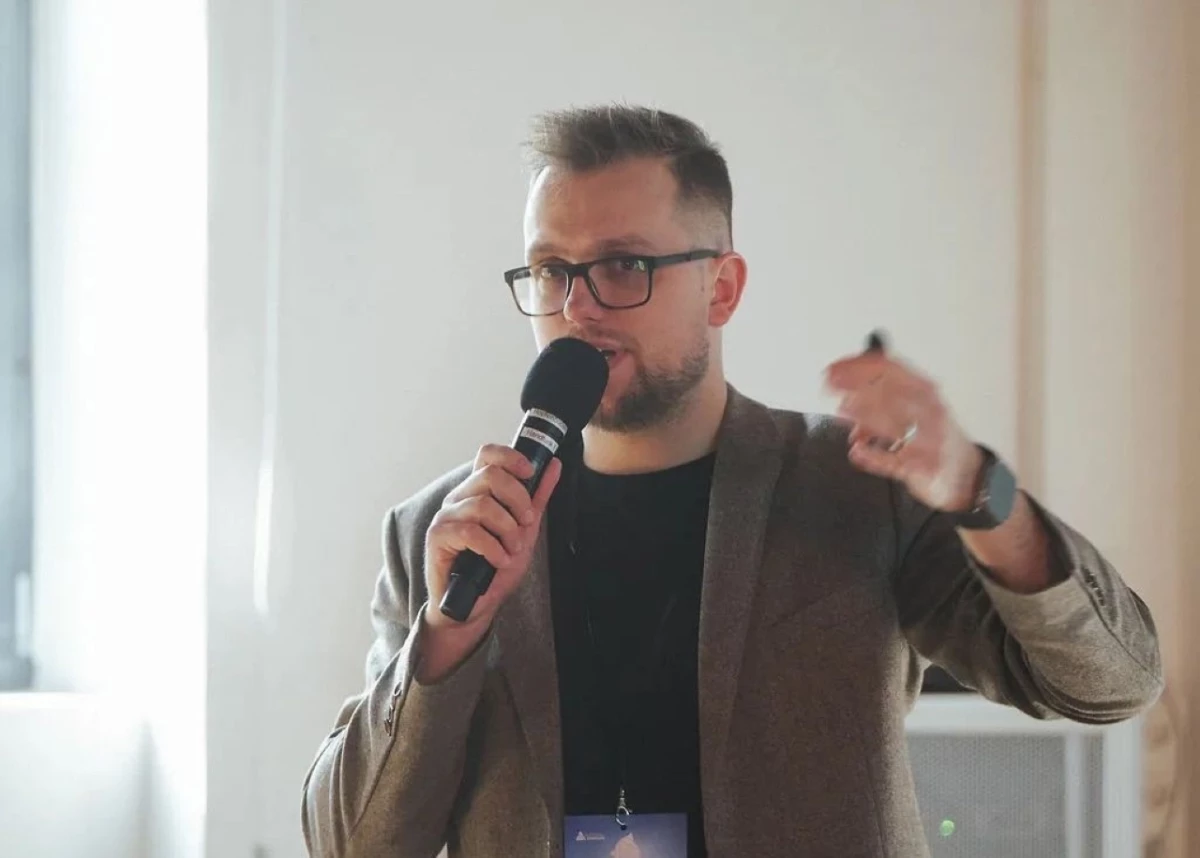
CEO of Outecho, Benjamin Dzaferovic, delivered a highly impactful masterclass at the AustrianStartups Summit 2025, attended by over 50 participants.
Over 50 participants attended his session, which focused on breaking free from the "build trap" — a common pitfall that causes product teams to prioritize features over solving real user problems, which undermines long-term success.
During the masterclass, Dzaferovic explained how companies fall into the build trap:
“Companies fall into the build trap when their team focuses on building features (often flashy updates) and the technology itself without ensuring they solve real user problems or contribute to business outcomes. It is not about building slowly - it is about building the wrong things.”
On top of that, pressure from stakeholders and the urge to show visible progress lead teams to focus on activity-based metrics instead of true product value.
To break free from this cycle, Dzaferovic introduced actionable strategies for diagnosing whether a company is stuck in the build trap, urging teams to rethink their goals and ensure they’re outcome-driven.
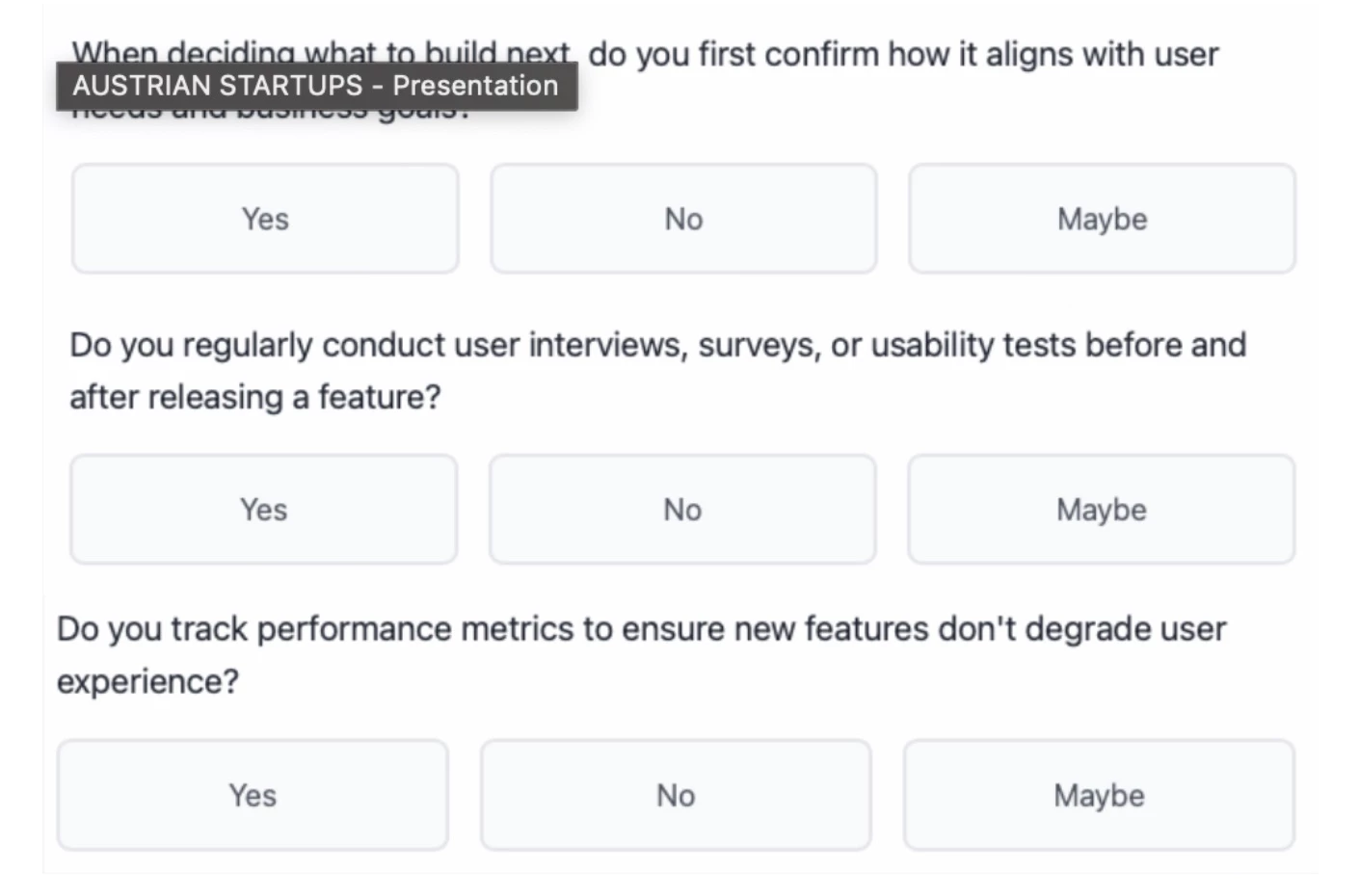
Establishing a “diagnosis” starts with a Product Health Check with 28 questions for quick assessment — a questionnaire the Outecho team came up with and now uses daily. Here is a sneak peek:
A key part of the session involved the introduction of the OKR (Objectives and Key Results) framework, which emphasizes setting clear, measurable, user-centered goals.
This approach helps teams focus on measurable outcomes rather than just shipping features, aligning development with long-term product value.
For example, optimizing onboarding processes can significantly improve engagement, with 74% of users abandoning a product if onboarding is complicated, according to research by UserPilot.
The session also emphasized the importance of continuous feedback loops.
Instead of relying solely on post-launch analytics or periodic reviews, teams are encouraged to collect ongoing input from users through methods like in-app surveys, user interviews, and behavior tracking.
This allows teams to gather insights, evaluate their impact, and iterate based on real user behavior.
“A continuous feedback loop is essential to ensure that every development decision is backed by real user insights. By systematically collecting, analyzing, and acting on user feedback, you can validate assumptions, refine features, and pivot quickly when needed.
This ongoing process not only improves product quality but also fosters a culture of iterative learning and responsiveness,” said Dzaferovic to the masterclass attendees.
Another important theme discussed was prioritizing features effectively.
Dzaferovic encouraged teams to use an impact-versus-effort framework, focusing on high-impact, low-effort initiatives — “quick wins” — while carefully evaluating more resource-intensive projects:
“Effective prioritization is key to ensuring that every feature you develop addresses a significant user need and contributes to your business outcomes. By using a structured framework to evaluate ideas, you can distinguish high-impact features from those that merely add noise.
This process helps prevent resource drain, keeps your roadmap aligned with strategic goals, and ultimately drives sustainable growth.”
Shaping the Future of Innovation
By emphasizing the need to solve real user problems, Dzaferovic’s masterclass reflects a broader shift in startup priorities, with businesses increasingly focused on outcomes over output.
At the summit, there was a clear emphasis on the need for cross-functional collaboration — tech, product, design, and business teams aligning around common goals to build cohesive, user-focused products.
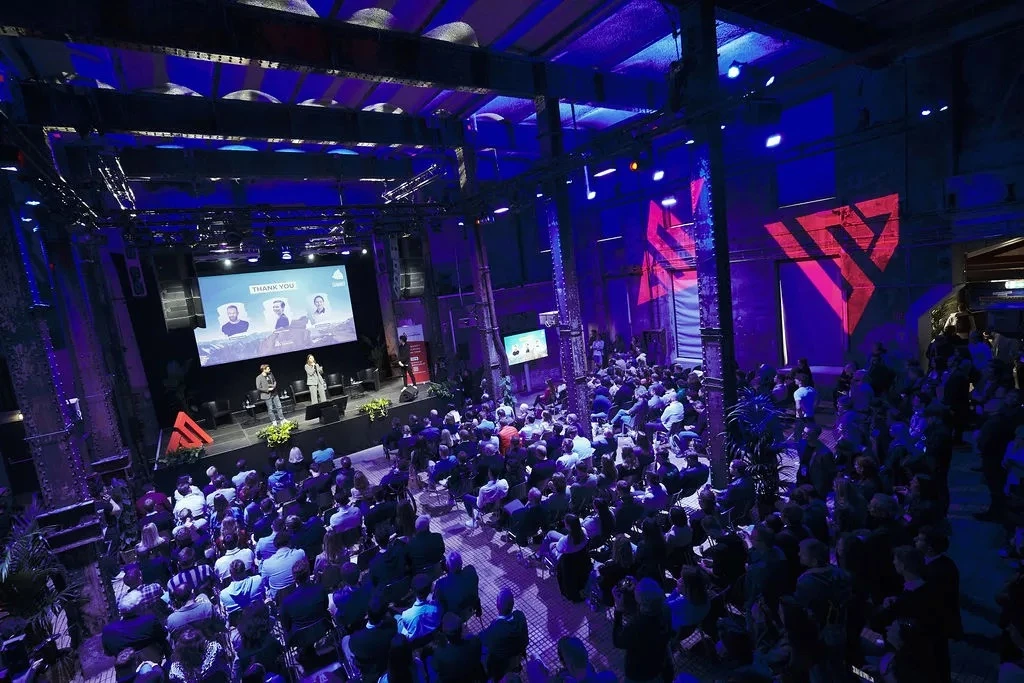
With key figures like Austrian President Alexander Van der Bellen and Austrian State Secretary Elisabeth Zehetner supporting the event, the summit highlighted the growing role of policy support in fostering a thriving startup community.
Austria’s European network and growing policy support are helping AustrianStartups position itself as a key driver of innovation and growth for startups.
Startups should focus on solving user problems, align teams around clear, measurable goals, and continuously gather feedback to ensure their development efforts deliver real value.
By prioritizing high-impact, low-effort initiatives, teams can create products that meet user needs and enable continued expansion.