
Meta's child safety trial is putting more than Facebook and Instagram's treatment of young users under scrutiny.
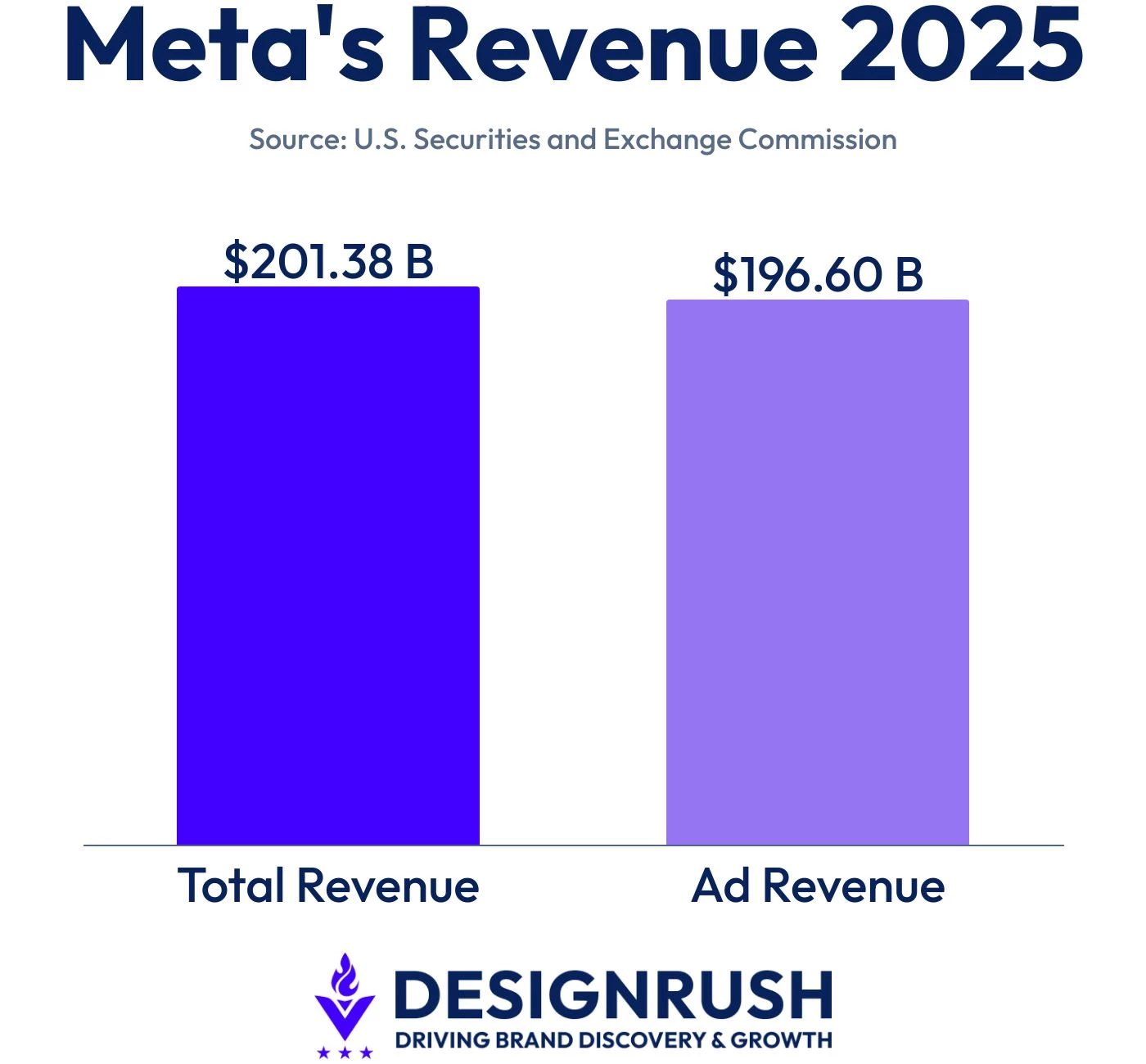
It is also raising questions about the $196.2 billion advertising model that depends on keeping people engaged on these platforms.
The states of California, Colorado, Kentucky, and New Jersey allege that Meta designed Facebook and Instagram to hook children and teens.
The four are the first to reach trial out of a coalition of 29 states that sued Meta in federal court in 2023.
The remaining 25 have their own trials ahead.
The case focuses on issues including under-13 users, harmful content, and the way the platforms measure and respond to risks.
U.S. District Judge Yvonne Gonzalez Rogers is presiding in Oakland over proceedings expected to run about six weeks.
Judge Gonzalez's June summary judgment ruling lets two theories go to the jury:
- Meta designed features that it knew harmed young users
- It concealed what it knew about this harm
The states also claim that Meta collected personal information from children under 13.
And it did so without meeting the Children's Online Privacy Protection Rule (COPPA) notice and consent requirements.
Meta CEO Mark Zuckerberg is expected to testify again, and so is Instagram head Adam Mosseri.
The state's first witness, Arturo Bejar, took the stand Tuesday after opening arguments concluded.
He is a former Facebook engineering director who worked on product safety across two stints between 2009 and 2021.
Bejar testified that Meta took a "don't ask, don't tell" approach to whether children under 13 were online.
"'Problematic use' is an example of something where they created a label and it undercounted what in some academic literature is considered to be addiction," he testified as reported by NPR.
His testimony continues on Wednesday.
Meta stated in a July 6 court filing that the four states' penalty calculation could reach $1.4 trillion, close to its entire market cap.
However, California Attorney General Rob Bonta said the states are not seeking a specific figure.
Plaintiffs' lawyers pointed the judge toward $200 billion, roughly Meta's total 2025 revenue.
The Money Riding on a Child Safety Case
Meta disputes the allegations and says protecting younger users is an industry-wide challenge.
"These lawsuits misportray our company and the work we do every day to provide young people with safe, valuable experiences online," the company said in a statement.
The stakes for advertisers are also significant.
Meta generated $196.2 billion in advertising revenue in 2025, and ad impressions across its apps rose 12% for the year.
Its platforms averaged 3.6 billion daily active users in June 2026.
If Meta loses, changes to how its products generate engagement could affect the media environment that brands buy into.
If it wins, the existing model receives a powerful legal defense.
Either outcome gives marketers a reason to examine how much advertising value comes from the creative and how much comes from the platform.
California Deputy Attorney General Megan O'Neill summed up Meta's alleged business model for jurors on the first day of proceedings.
"[H]ook the users, hold them for as long as they can, harvest their data, and then hide the truth from the public."
Meta's attorney argued that safety had always been considered alongside the user experience.
Marketers should pay close attention to the dispute because engagement is closely connected to advertising supply.
More time spent on a feed can create more opportunities for ads to appear.
Meanwhile, stronger engagement signals can help platforms determine which content and adverts users see.
The legal question is whether Meta's product design contributed to harm.
Meanwhile, the marketing question is what happens if the answer leads to restrictions on that design.
What a Meta Loss Could Mean for Ads
A ruling against the company would not automatically mean fewer ads on Instagram or Facebook.
The practical effect would depend on the remedies Gonzalez Rogers orders and any changes Meta makes to its products.
The first area to watch is engagement.
Comment
by u/Jumpy_Scallion_3108 from discussion
in facebook
Restrictions on features that encourage extended sessions could alter how frequently people encounter social ads.
This could affect impressions, frequency, and the cost of reaching specific audiences.
Youth targeting would also face greater scrutiny.
The states allege that millions of children under 13 used Meta's products and argue that the company knew younger users were present.
A ruling against Meta could lead to tighter age assurance, audience restrictions, or additional safeguards.
Measurement could change as well.
Marketers may prioritize conversions, sales, qualified traffic, and brand lift as engagement metrics become less reliable.
A New Mexico jury has already put a number on the claim and awarded the state $375 million in March after finding Meta misled consumers there.
Teams now need to plan for greater variation in audience access and campaign performance, particularly for youth brands.
What a Meta Win Could Mean for Marketers
A victory would preserve more of the existing relationship between product design and advertising performance.
Marketers would retain access to Meta's enormous audiences, established infrastructure, and sophisticated delivery systems.
A win would also give the company stronger ground to defend the product decisions at the center of the case.
This could support advertisers' continued reliance on engagement, reach, and platform optimization as core metrics.
Comment
by u/Jumpy_Scallion_3108 from discussion
in facebook
But it would not settle every question about social media safety.
Regulation, state-level action, and the 25 remaining state cases will continue.
Brands will also remain responsible for deciding whether the environments around their advertising fit their own standards.
This fact makes due diligence a marketing issue even when a platform prevails in court.
Age Restrictions Are Easier Said Than Enforced
The lawsuit is not the first time that Meta has faced age restriction demands.
Australia introduced its own nationwide under-16 social media ban on December 10, 2025.
By June 2026, Meta had removed more than 756,000 Australian accounts suspected of belonging to users under 16.
Still, more than 80% of Australian under-16s were still active on social media during the ban's initial months
This number highlights the difficulty of enforcing age restrictions on social platforms.
Meta's advertising business demonstrates how closely its commercial performance is tied to audience activity.
- Engagement affects advertising supply. Marketers should connect metrics with outcomes to reduce dependence on platform-specific behavior.
- Platform risk can become brand risk. Agencies should consider regulatory exposure and audience protections when evaluating major media channels.
- Audience access may become more restricted. Brands that reach younger consumers should prepare campaigns that can perform under tighter controls.
The key risk is having audience behavior and media performance change faster than campaign strategies can adapt.
Our Take: Is Ad Value the Platform or the Creative?
The size of any financial penalty matters to Meta.
But the more important issue for advertisers is what happens to the relationship between attention and advertising.
For years, marketers have treated engagement as a valuable currency.
A person who watches, scrolls, comments, or returns to a platform creates data and advertising opportunities.
And the Oakland trial raises a difficult question about where that value comes from.
We think that the platform has been doing most of the work, and marketers have been billing it to their creative.
If Meta loses, marketers may have to place greater weight on attention earned through creative quality and clear consumer value.
As brands reassess how much control platforms have over audience access and visibility, Google's antitrust case offers a parallel lesson for search marketers.
Social media companies face greater scrutiny, and brands need communications partners that can navigate platform risk.
Explore these top social media marketing companies to find a partner for your next campaign.