
M&M's 'Protect the Peanut' Push: Key Findings
- Mars’ new campaign combines a documentary, farmer incentives, and university partnerships to address the peanut crop problem.
- Investments, including natural breeding research with the University of Georgia, helped reduce Peanut M&M’S complaints by around 90%.
- The campaign re-engages consumers using redemption codes to let fans experience the improved product firsthand.
A candy complaint thread turned into a decade-long agricultural fix for one of Mars’ most scrutinized products.
Mars Snacking is spotlighting its efforts to stabilize supply through "Protect the Peanut," a global campaign for M&M’S that responds to consumer feedback.
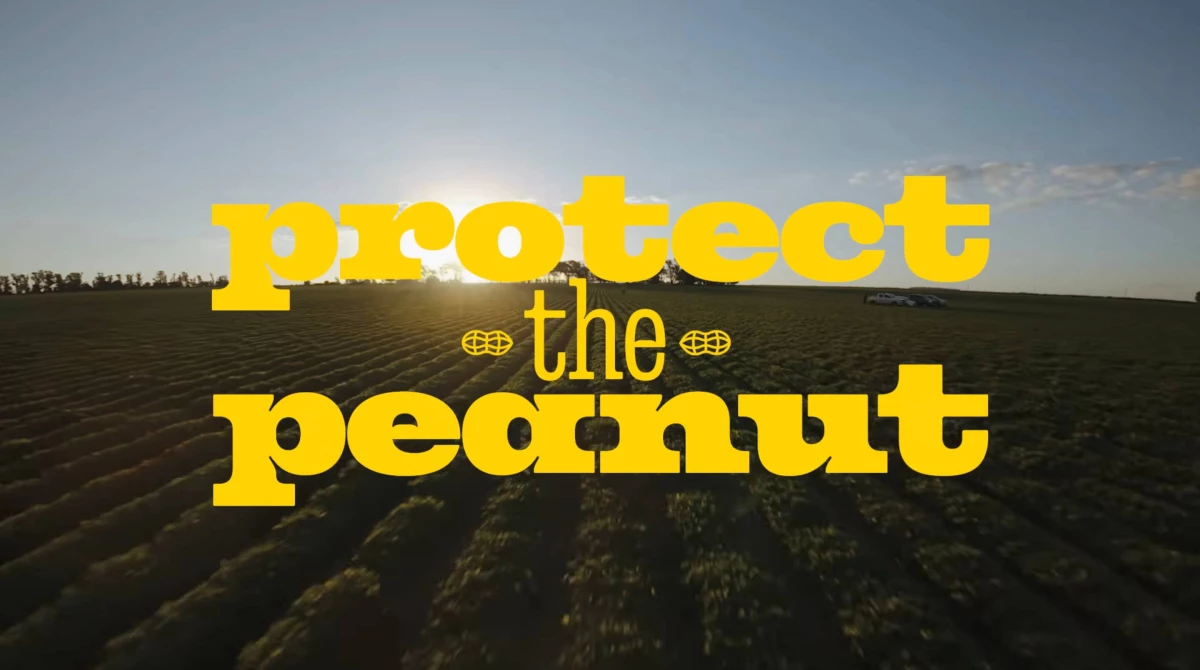
The initiative centers on a short documentary developed with BBDO Chicago, which follows farmers, scientists, and fans as they confront the fragility of the peanut supply chain.
For Mars, the project began with a persistent issue.
Peanut M&M’S ranked among the brand’s most complained-about products because of inconsistencies in peanut quality linked to environmental pressures.
Peanuts are a genetically vulnerable crop, with up to 30% failing to reach consumption due to disease and climate-related stress.
The selection process is even stricter for M&M's, with only about one in 100 peanuts meeting product standards.
Amanda Davies, chief R&D, procurement, and sustainability officer at Mars Snacking, described the initiative as a long-term commitment made possible by collaboration.
"For M&M’s, our pursuit of the perfect peanut led us to a much bigger challenge: securing its future," she said in a press release.
"Making real progress took generational thinking, real investment, and years of work with farmers, scientists and partners — from the ground up, from soil to snack.”
Solving the Peanut Problem
Mars partnered with the University of Georgia to advance natural breeding techniques aimed at developing more resilient peanut varieties.
Over time, the company invested heavily in research and farmer support, including millions in premiums to encourage adoption of improved crops designed to stay fresher longer.
The results are already visible. According to the company, complaints tied to Peanut M&M’S have dropped by roughly 90%.
Alongside the documentary, the campaign also reconnects with vocal fans, including users who previously posted critiques on platforms like Reddit.
Here, they offer redemption codes so they can experience the updated product firsthand.
Josh Gross, CCO at BBDO Chicago, emphasized the role of consumer curiosity in shaping the work.
"When we saw fans talking about Peanut M&M’s tasting different, it felt like the beginning of a much bigger story," he shared.
"'Protect the Peanut' is about following those questions all the way to its source, turning it into something meaningful, and protecting something people love for future generations.”
Overall, the campaign opts out of single bursts of advertising and is structured as an ongoing narrative that can evolve.
All while agricultural improvements scale and consumer responses continue to be measured.
The Peanut Strategy
Mars’ approach to M&M’S offers a case study in how product quality issues can be addressed by creating long-term system investments:
- Addressing consumer complaints at the root level can require agricultural or supply chain innovation instead of surface-level product changes.
- Long-term R&D investments paired with farmer incentives can materially improve product consistency and reduce consumer complaints.
- Documentary storytelling, direct fan engagement, and partnerships strengthen credibility while reinforcing product reliability in the market.
Mars, Incorporated, M&M's parent company, made approximately $55 billion in annual revenue in 2024.
It's a sign of the brand’s continued status as a leader in the snack category.
Our Take: Can Supply Chains Become Brand Stories?
Most brands talk about ingredients, but few are willing to show the machinery behind them.
Mars goes all in by diving into the specifics of farming, research, and procurement, and making them part of the customer conversation.
Instead of reacting to complaints with brand messaging, it invests heavily in the systems that prevent the complaints.
This is slower, less visible work, but it compounds in ways advertising alone cannot match.
The documentary format also adds context, helping people understand the product changes as the result of a deliberate process.
Fixing the system behind product complaints creates a level of trust that messaging alone can’t deliver.
Meanwhile, Chupa Chups addressed its packaging issue with an impossible-to-open lollipop to introduce its new easy-open wrapper.
Brands building stunt-driven campaigns need agencies that understand how to balance provocation with platform strategy.
Explore these top digital marketing agencies in our directory.