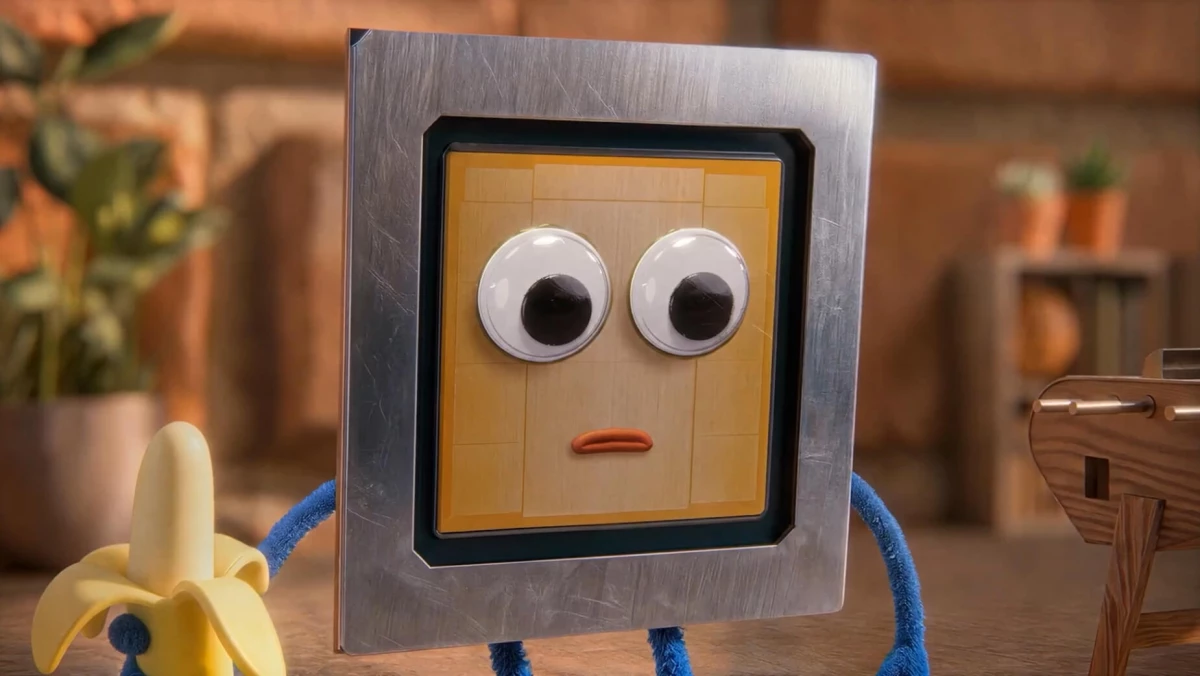

Google opened its I/O 2026 keynote with a film featuring pipe cleaners, puppets, and an AI chip named Timmy.
Created alongside Nexus Studios and director Laurie Rowan, the short film shows one of the company’s most technical products as the unlikely star of a training montage.
The campaign centered on Google’s TPU chips, or processors designed to handle AI workloads at scale.
For Google, this approach gave a softer and more approachable face to infrastructure tech that most consumers never directly see.
Keynote openers are standard for new product showcases, but this time, Google chose to use it for brand storytelling.
"It’s an entirely different approach," Laurie Rowan shared, explaining how the production allowed multiple creative disciplines to collide into a single process.
The production brought together puppeteers, 3D animators, concept artists, character designers, and modelers under "one cohesive whole."
Built Like a School Project
In this latest spot, Google chose to depict TPU chips in a way that felt like an '80s kids movie.
The film follows Timmy, a nervous chip preparing for his big moment at Google I/O.
The production used handmade sets, cardboard props, puppetry, and physical imperfections before layering in generative AI tools during post-production.
Because of this, the process itself became part of the campaign's message, encouraging rapid experimentation and allowing artists to refine scenes in real time.
The rough look was intentional and designed to preserve the human touch, and ultimately, this lo-fi production became the hook.
Handmade Is Now a Tech Trend
Handmade ads is increasingly becoming a common approach for multiple tech and entertainment brands.
Last year, we saw Apple create a puppet-led stop-animation film to celebrate the holidays and show the perks of shooting on the iPhone 17 Pro.
More recently, Clash Royale built a balloon battlefield made entirely out of 10,000 real balloons.
These are creative choices made to create a fully practical, tactile film experience, and show that handmade still has a place in modern ad and media.
So for brands trying to explain highly technical products, Google’s latest I/O opener shows how physical creativity can make abstract tech easier to connect with:
- Build tech campaigns around physical prototypes: Handmade props and puppets gave Google’s TPU messaging a clearer emotional entry point than AI graphics.
- Use imperfections as a creative device: While specs advertising is still necessary for new product drops, Google's cardboard textures and lo-fi visuals helped the film stand out.
- Turn infrastructure into a character: Giving the TPU chip a nervous underdog story made a highly technical product easier for audiences to remember.
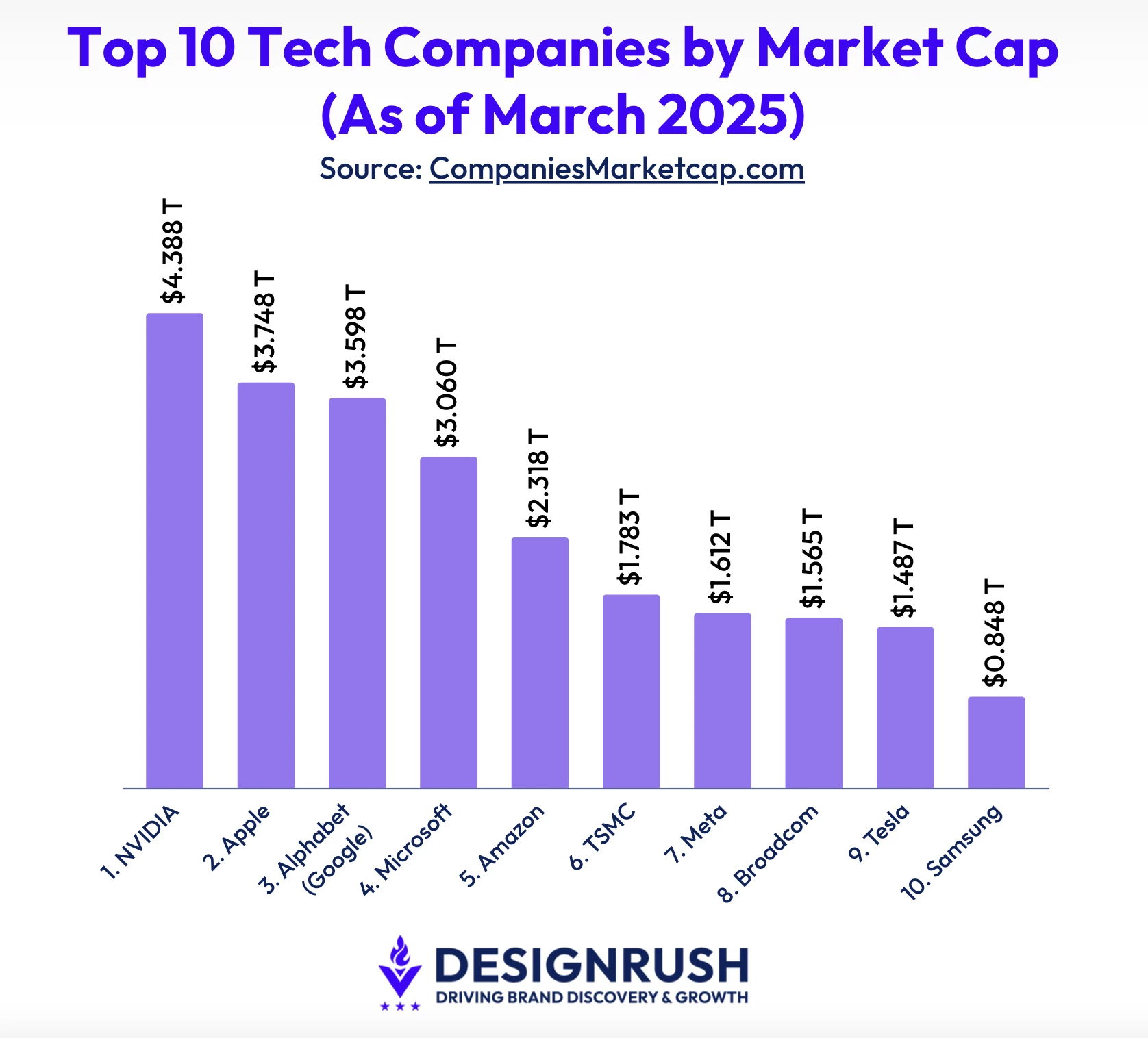
Alphabet sits third among the world's most valuable tech companies at $3.598 trillion, a position that comes with its own communication challenge.
At this scale, the risk is feeling too big and too abstract to connect with everyday audiences.
Campaigns like this one are how Google counters this, putting a nervous little chip named Timmy between the company and its own infrastructure.
Our Take: Can AI Feel Human Without Pretending to Be?
Audiences can sometimes feel overwhelmed by clean, futuristic AI visuals that all look interchangeable after five seconds.
However, Google avoids this trap by showing that AI is merely a tool, and human craftsmanship remains the secret sauce to what makes ads feel special.
In the end, this approach made its technology feel less threatening and more collaborative.
Tech brands are exploring how to turn data-heavy features into emotionally resonant storytelling moments.
Partner with these top marketing agencies in our directory.