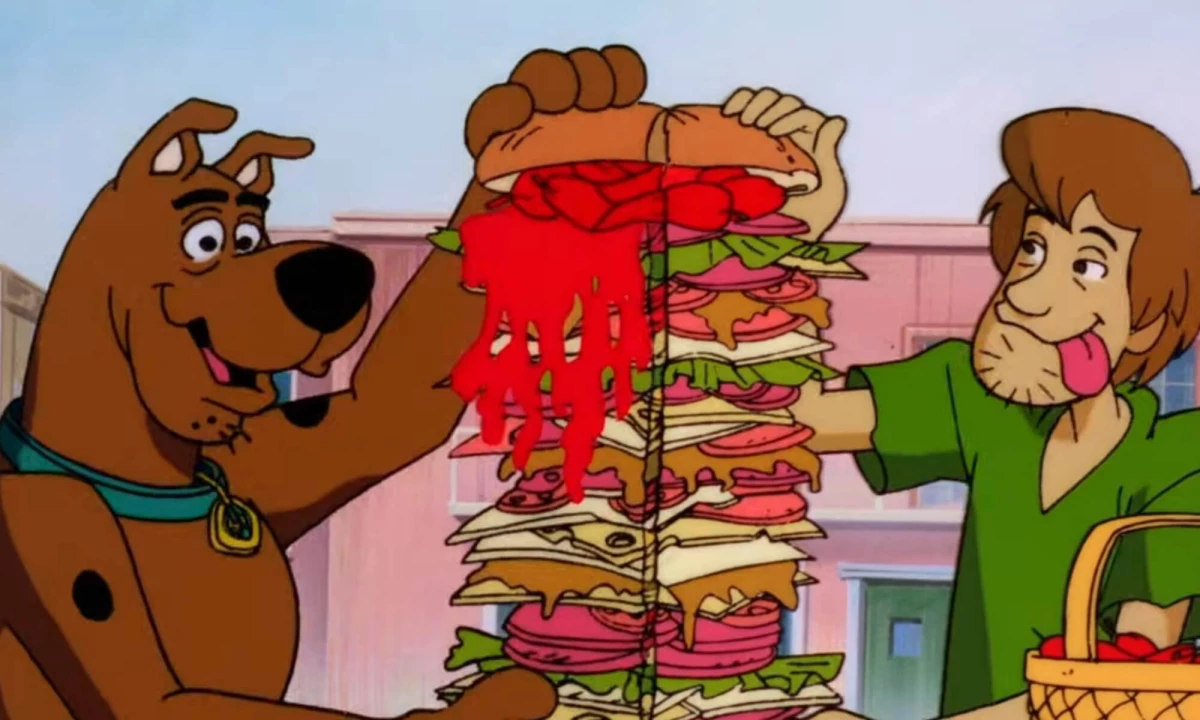

Somewhere between Shrek's swamp dinner and Shaggy's towering sandwich, Instacart found a way to make its new AI assistant feel familiar.
The company has launched Clementine, an AI-powered shopping assistant for customers in the U.S. and Canada.
Clementine turns a conversation, grocery list, or recipe into a personalized cart in seconds, drawing on 1.6 billion lifetime Instacart orders.
Instacart is introducing it through food scenes people have watched for decades, which does the work that an AI explainer usually has to do.
Shoppers recognize the meal first, then see Clementine as the fastest way to get it.
The campaign, titled "Turn any idea into an order," came from Instacart's in-house agency Local Produce, while Prettybird led production.
The pitch targets tired households who look for ideas on what to eat or make.
Jasmine Taylor, VP of brand marketing at Instacart, described the product as relief for the nightly dinner decision.
"Every parent knows the five o'clock spiral to figure out what's in the fridge and what to make for dinner that the whole family will actually eat," Taylor said in a press release.
"We designed Clementine to support those moments and shoulder some of the mental load for consumers."
The campaign runs across linear, OTT, online video, YouTube, audio, social, influencer, and in-app touchpoints.
Four Classic Scenes Set the Table
Director Brian McGinn, whose credits include "Chef's Table," "The Bear," and "Street Food," shot four spots that follow the same order.
Each one opens on a character from "Shrek," "Scooby-Doo," "The Office," or "A Charlie Brown Thanksgiving" cooking, creating, or eating.
With a newfound desire to make whatever it is they see on screen, the protagonists turn to Clementine to make their cravings a reality.
The recipe becomes a shoppable cart in seconds, and the viewer enjoys the meal the same day.
The Shrek and Scooby-Doo spots are running now, with The Office and Charlie Brown ads following later this fall.
Every spot puts the recognition first and the technology last, so Clementine stays as a helper in a routine that viewers already have.
DoorDash and Uber Eats both shipped AI shopping assistants before Clementine, so all three platforms are selling the same capability.
Brand marketing is the open lane, and rival platforms have been picking one specific shopper problem per campaign.
Recently, DoorDash launched CringeMart and went after awkward purchases that people would rather not explain at a register.
Jacob Batalon fronted the effort as the CEO of CringeMart, playing off a 2019 meme built from his own red-carpet photo.
View this post on Instagram
Instacart picked the dinner-planning grind and put a product demo in every spot.
Notably, familiar characters are a habit for the brand.
Its first Super Bowl ad packed nine brand mascots into 30 seconds, including Cheetos' Chester Cheetah and the Pillsbury Doughboy.
Borrowed recognition cuts the cost of explaining a new product, and it does the most work in a product launch where the concept itself is the hard sell.
Grocery AI Still Needs Believers
Dunnhumby found that 15% of U.S. consumers use AI tools for grocery shopping, and trust is the main barrier.
NielsenIQ, meanwhile, puts broader AI shopping use at 42% of consumers in the past month, with 10% using an AI shopping assistant.
Instacart's own Harris Poll from June found that more than 80% of Americans stress over dinner decisions.
And more than three in five want an AI assistant for the job.
U.S. online food delivery generated an estimated $432 billion in 2025 and is forecast to pass $600 billion by 2030.
The spending is already in place, so growth in grocery AI depends on how many shoppers let the tech pick their groceries.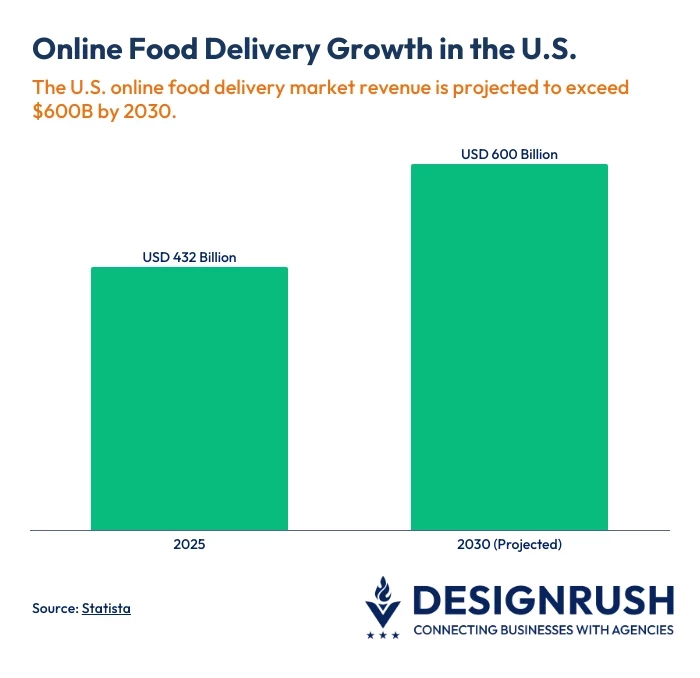 Trust is the gap, and Instacart is closing it with recognition it borrowed from television:
- Start with the craving: Show the customer's want first, then bring your product in as the answer.
- Borrow memories your audience already shares: Recognition removes the need to explain an unfamiliar product category.
- Stage the launch in waves: Pacing spots over weeks keeps a new product in front of shoppers long enough for a habit to form.
A familiar scene buys the first few seconds, and the demo that follows is what gets a first order.
Our Take: Will Clementine Work for Everyday Dinners?
The ads show Clementine helping with fun, one-time meals like a butternut squash risotto or a snack feast, but most dinners aren't like that.
They're on a Tuesday night with a picky kid and whatever is left in the fridge.
View this post on Instagram
We think Clementine will work on ordinary nights, though the campaign has not shown anyone that yet.
Taylor says the product learns your preferences the more you use it, and that is the claim the spots leave untested.
Nostalgia gets the first download, and repeat use comes from one dinner that went great.
The next spots should show this night, since it is the one that shoppers face every week.
Brands pursuing ambitious creative need partners who are all in on their ideas.
Take a look at these top creative agencies in our directory.