
Key Takeaways:
- India’s May 7 airstrikes across Pakistan-administered Kashmir mark the largest cross-border offensive in decades, intensifying instability across South Asia's industrial belt.
- In response, Pakistan halted all trade with India, as border clashes intensify and civilian casualties climb past 40.
- Major brands like Zara, H&M, and GSK face growing supply chain risks, with expected delays in textiles, pharma ingredients, and agri-exports tied to the region.
India’s military strikes in Pakistan-administered Kashmir and Punjab on May 7 have triggered a near-total collapse of trade between the two countries.
With border shelling ongoing and over 40 civilians dead, global brands with ties to the region face urgent operational and sourcing risks.
Branded “Operation Sindoor,” the Indian strikes targeted what New Delhi described as militant camps and arms depots linked to Jaish-e-Mohammed and Lashkar-e-Taiba.
These are two groups India accuses of orchestrating the April 22 massacre of Hindu tourists in Pahalgam, Kashmir.
Pakistan has denied harboring militant infrastructure and says 31 civilians were killed, including worshippers at a mosque and students at a religious seminary in Muzaffarabad.
India has not commented on these claims, but says it avoided civilian areas.
Shelling between the two sides continued through May 8, with at least 16 Indian civilians reported dead from Pakistani artillery fire. Both armies remain on high alert.
In the wake of the strikes, Pakistan suspended all remaining trade with India.
India had already closed its only land border crossing and halted visa issuance following the April 22 attack. Diplomatic ties have been reduced to the minimum.
India and Pakistan are striking each other because both seek to leverage themselves as part of the proxy economic trade war between the U.S. and China
— George Papadopoulos (@GeorgePapa19) May 6, 2025
Pakistan and Turkey will work with China to ship goods to the west
While India is being transformed into a new hub for low… pic.twitter.com/w8zH95XOua
Bilateral treaties such as the Indus Waters Treaty and Simla Agreement have been declared “in abeyance” by both sides, signaling a breakdown of formal cooperation.
India has launched civil defense drills across the country, and its government is holding emergency briefings with political leaders.
Meanwhile, Pakistan’s Prime Minister has vowed retaliation, though officials say any response will target only Indian military assets.
As tensions escalate, global companies relying on the two countries for raw materials or manufacturing labor are bracing for significant supply chain disruptions.
Disruption for Textile and Pharmaceutical Brands
The abrupt trade freeze cuts off one of Asia’s most interlinked trade corridors.
Brands that source raw materials or finished goods from India or Pakistan are now facing immediate delays and rising costs.
Textile brands such as Zara and H&M depend on the region for both raw cotton and garment finishing.
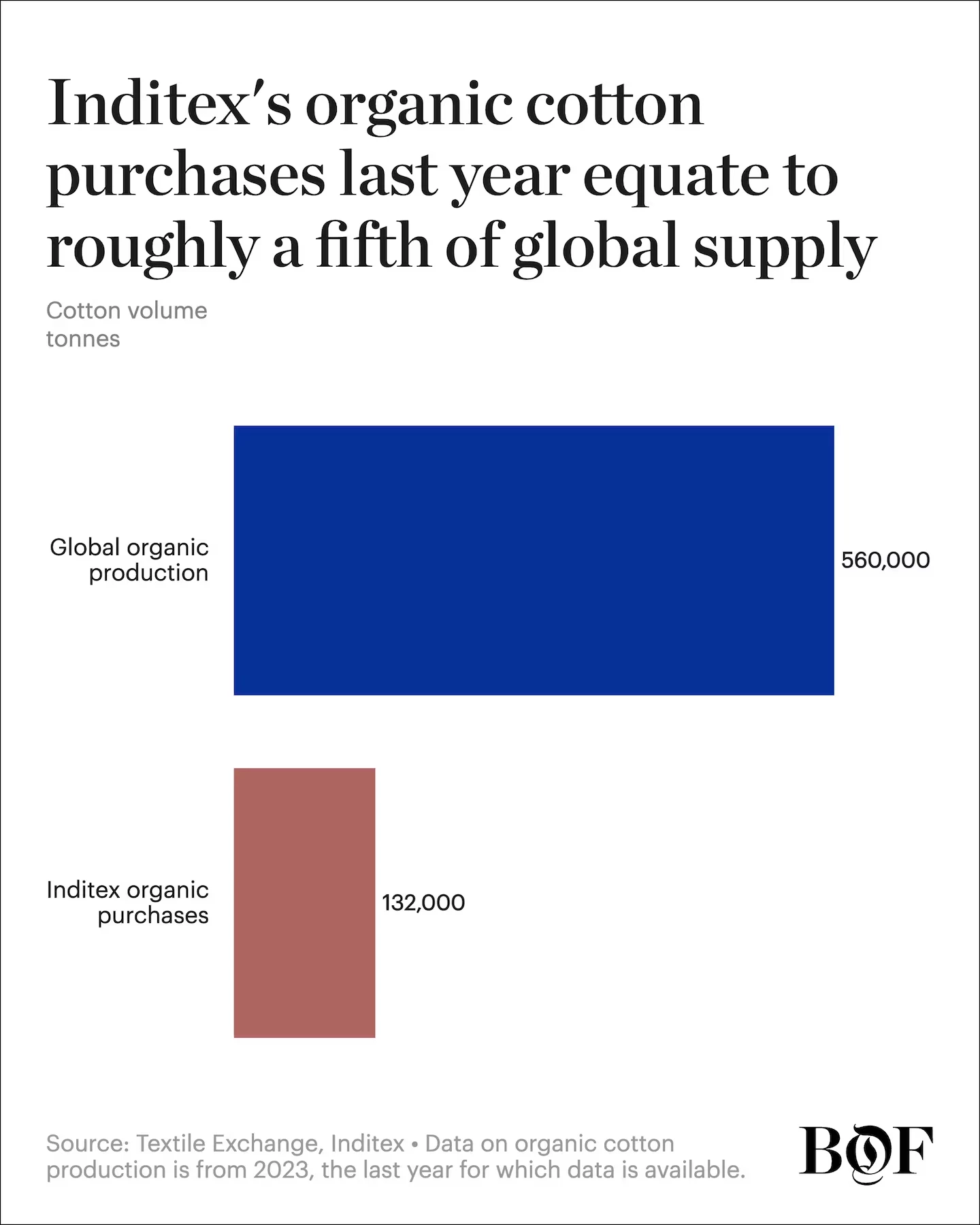
Earlier this year, it even became a big issue that H&M Group, Gap Inc., Amazon, and Zara's parent company, Inditex, are sourcing what they call "ethical cotton" from India, "picked by child laborers."
India is the world’s second-largest textile exporter; Pakistan is eighth.
Blocked transit routes and uncertain regulatory conditions make near-term supply chain stability unlikely.
In the pharmaceutical sector, GlaxoSmithKline (GSK), which maintains production facilities in both countries, may encounter shipping delays for Active Pharmaceutical Ingredients (APIs), many of which move across borders.
Past disruptions in this corridor have caused ripple effects on pricing and delivery timelines across Asia and Europe.
Agricultural trade is also affected.
In 2019, a similar disruption caused a 300% spike in onion prices in India after Pakistan halted exports.
With a full shutdown now in effect, supply volatility in onions, sugar, and spices is once again likely.
What Brands Should Do Now
This crisis is a real-time reminder of the vulnerabilities in geopolitically exposed sourcing models.
For procurement leaders, the focus now must be on:
- Diversifying supplier networks beyond high-risk zones
- Auditing current vendor exposure in both India and Pakistan
- Developing alternate logistics routes through other countries
- Preparing for raw material price fluctuations in Q2–Q3
For brands with dual-market operations, cross-border financial transactions and regulatory filings may face scrutiny or delays.
Implications for global trade and alliances:
— SocialCode (@The_SocialCode) April 25, 2025
– India could grow closer to the US, moving further from Russia.
– US-India trade may surge, especially in tech, energy, and defense.
– Tensions with Pakistan could disrupt supply chains and investment in South Asia.
China is… pic.twitter.com/hfM48oleSF
Insurance premiums for regional shipments are also expected to rise.
The broader risk is not just disruption — it’s long-term instability.
With both countries placing bilateral agreements in suspension and military actions ongoing, the window for a diplomatic resolution is narrowing.
Brands that wait too long to adapt may find themselves reacting to a crisis already in motion.
Contingency plans can no longer be optional, they’re now essential.
Navigating crises like these requires expert guidance. Explore top crisis management firms ready to manage your brand’s response.