
Key Takeaways
- The incident highlights the need for streaming platforms to invest in more flexible scheduling and real-time monitoring to prevent disruptions during live events.
- Hulu plans to release a full replay of the Oscars, but the mishap has already raised concerns about the platform's ability to handle high-profile broadcasts reliably.
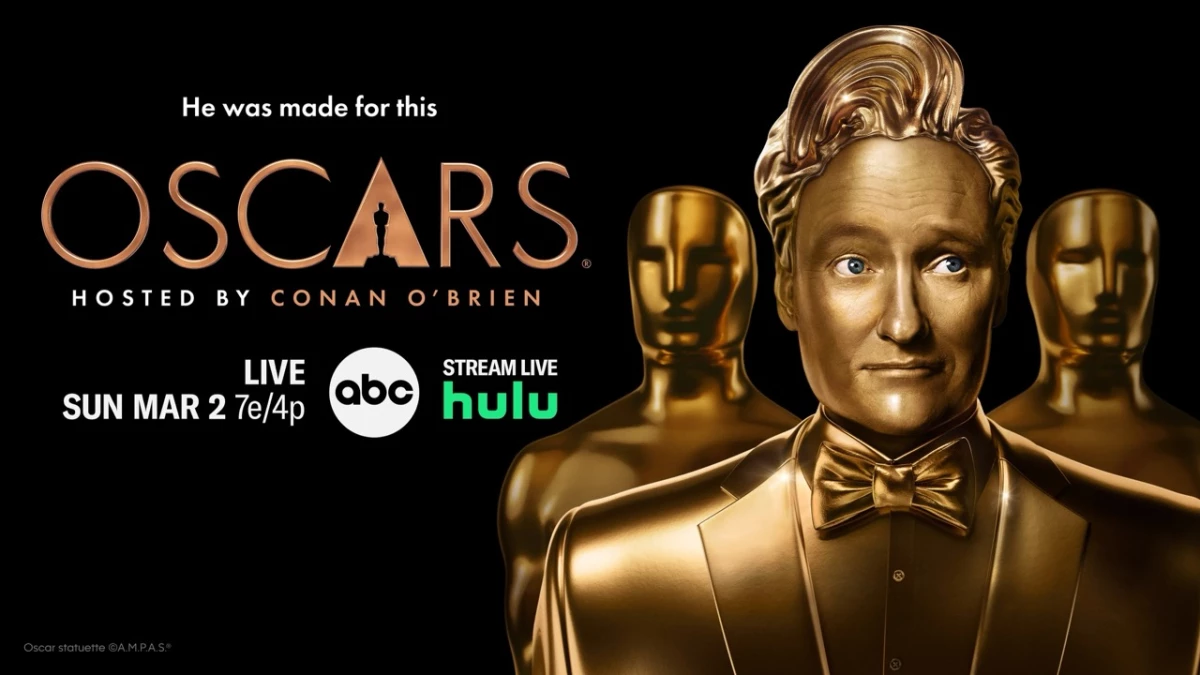
Hulu’s premature cutoff of the Academy Awards live stream on Sunday night left viewers frustrated, raising concerns about the reliability of digital broadcasting.
The Disney-owned service ended the stream before the Best Actress and Best Picture winners were announced.
The incident sparked backlash across social media, highlighting ongoing challenges for streaming platforms in handling live events.
the hulu livestream of the oscars ended before they announced best actress and best picturepic.twitter.com/6usEEpVXCC
— geecee ♡ (@gcindisguise) March 3, 2025
Subscribers watching through Hulu’s standard streaming service were abruptly removed from the broadcast when the platform enforced a preset cutoff time of 10:32 p.m. ET.
While traditional cable and Hulu + Live TV subscribers continued watching uninterrupted, those relying on Hulu’s main platform missed the ceremony’s biggest moments.
Earlier in the evening, Hulu had already acknowledged login issues affecting some users.
Although that problem was resolved before 9 p.m. ET, the premature end to the Oscars stream proved to be a more significant failure.
Our team has identified the issue and users affected should be able to log back in again soon. We apologize for the inconvenience.
— Hulu Support (@hulu_support) March 3, 2025
Disney has issued an apology in a statement provided by spokesperson Dorothy Ballowe:
“This evening, we experienced technical and live stream issues on Hulu which impacted some Oscars viewers. We apologize for the experience and will make a full replay of the event available as soon as possible.”
The incident underscores the complexities of live event streaming, particularly for high-profile broadcasts with unpredictable runtimes.
As more consumers shift away from traditional cable, platforms like Hulu must ensure seamless streaming experiences to maintain user trust.
According to Unico Connect CEO Malay Parekh, Hulu’s Oscars glitch highlights the need for streaming platforms to address more than just scalability.
"Hulu’s Oscars glitch underscores the complexity of live streaming beyond just scalability. The fact that Hulu + Live TV functioned while the main platform failed suggests potential issues with stream routing, authentication, or content rights enforcement.
To ensure reliability, platforms must not only scale but also rigorously test platform-specific dependencies, implement failover mechanisms, and optimize real-time stream switching. A multi-layered redundancy strategy—spanning content delivery, user authentication, and stream playback—ensures that critical failures in one pathway do not disrupt the entire experience."
Hulu’s History of Live Streaming Issues
This is not the first time Hulu has faced issues with major live broadcasts.
During Super Bowl LII in 2018, the platform similarly cut off coverage in some markets before the game ended.
The Oscars mishap raises concerns about whether streaming platforms are investing enough in infrastructure to handle live events with flexible timing.
I was watching it fine, and this happened: pic.twitter.com/hIu41hLmhj
— Neelan (@neelanism) March 3, 2025
For digital media executives, the event serves as a cautionary tale about the importance of contingency planning, real-time monitoring, adaptive scheduling, and crisis communication strategy in live streaming.
As demand for live content grows, platforms must refine their approach to avoid costly disruptions that can lead to customer dissatisfaction and potential churn.
Hulu plans to release a full replay of the Oscars to address the mistake.
However, the incident has already highlighted the need for streaming services to enhance their live-event capabilities.
Previously, AEW Dynamite’s streaming debut on Max promised a game-changing experience but also left fans frustrated with disruptive full-screen ads, sparking widespread backlash online.