
Gamers hate ads. However, advertisers can make them tolerable by following several simple rules.
The 45th episode of the DesignRush Podcast brings you a conversation with marketing veteran Shahar Sorek, who reveals how Overwolf helps brands deliver their message to the gaming community.
Tune in to the show to learn:
- Why the gaming industry must increase the role of UGC to increase monetization, and how can we benefit from this trend
- Why golden gamers hate ads, and how can advertisers make them tolerable
- How to profit from the migration of ad dollars from traditional media (such as magazines and TV) into video games and social networks
If you want to learn how to profit from migrating ad dollars from traditional media into video games, watch the full episode on YouTube or Spotify.

Who Is Shahar Sorek?
Shahar is the CMO at Overwolf, the guild for in-game creators. In this role, Shahar is responsible for leading all marketing and growth initiatives, overseeing investor relations, and executing fund investments. With over 15 years of experience in the tech industry, Shahar has founded and managed leading startups including 7 Elements Studios, a game studio specializing in MMO strategy games. Previously, Shahar worked as a creative producer and actor in Hollywood.
2024's gaming scene is heavily driven by user-generated content (UGC). Platforms like Roblox and Fortnite, where creators earn millions, highlight the ongoing surge in UGC popularity.
Shahar explains the whole process of UGC monetization:
"Every game that gains a live-service multiplayer mode gains a lot of momentum from its gamer-creator community.
Content creation starts with an avid gamer who loves the game but also has the abilities and some experience in creating in and around games.
It could be anything from nails and hairdos in The Sims to full-on maps in Minecraft and private servers in GTA V. We're looking at a trend that is getting stronger every month."
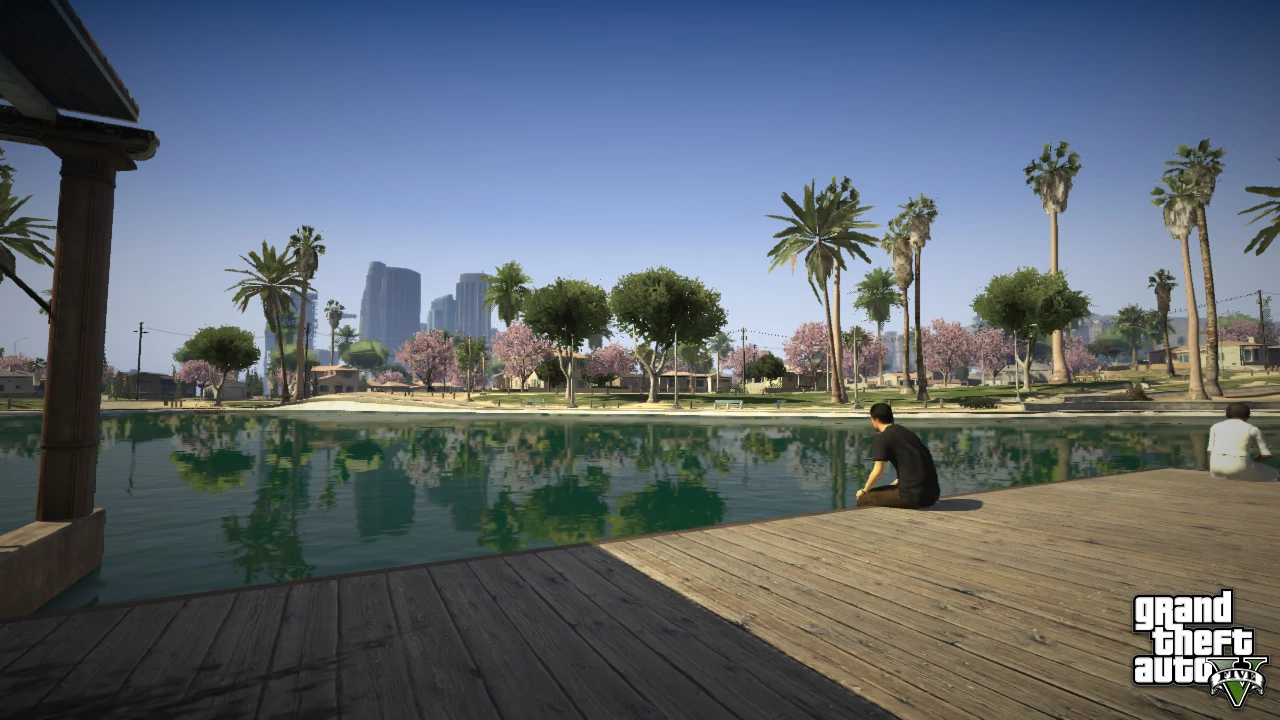
When we look at 2024, we need to look at it within the context of the gaming arena, Shahar notes.
"There is a consistent growth in the last couple of years in creations around games. So if a game like Palworld comes out, there's an immediate body of creators that play the game and come to create content around it.
They come to Overwolf or other modding websites to create things around the game, mod it, and play it. This is a consumer habitual change.
There's a change in the consumers' needs and gamers now require significantly more content.
The more the game developer allows their games to be modded and have UGC elements, the more they are increasing the ability to retain users and increase monetization."
UGC Improves Loyalty Through Monetization
Advertising and gaming (mobile excluded) don't go together – A consumer buying a $70 game isn't interested in seeing in-game ads.
Shahar explains where monetization opportunities appear:
"This cohort of which you belong to if you're a modder is called the Golden Gamers – primarily PC and console gamers who will invest many hours and let the game consume them.
However, they're also the people that are getting paid about six figures and they can invest a lot of money if they could interact with brands.
They're not against brands in general, they just don't like the game interrupted.
On the other side, the advertising world is undergoing a massive shift. There is a migration of ad dollars from traditional media, magazines, TV, and music platforms into games and social networks, which are starting to come together as we see in Roblox."
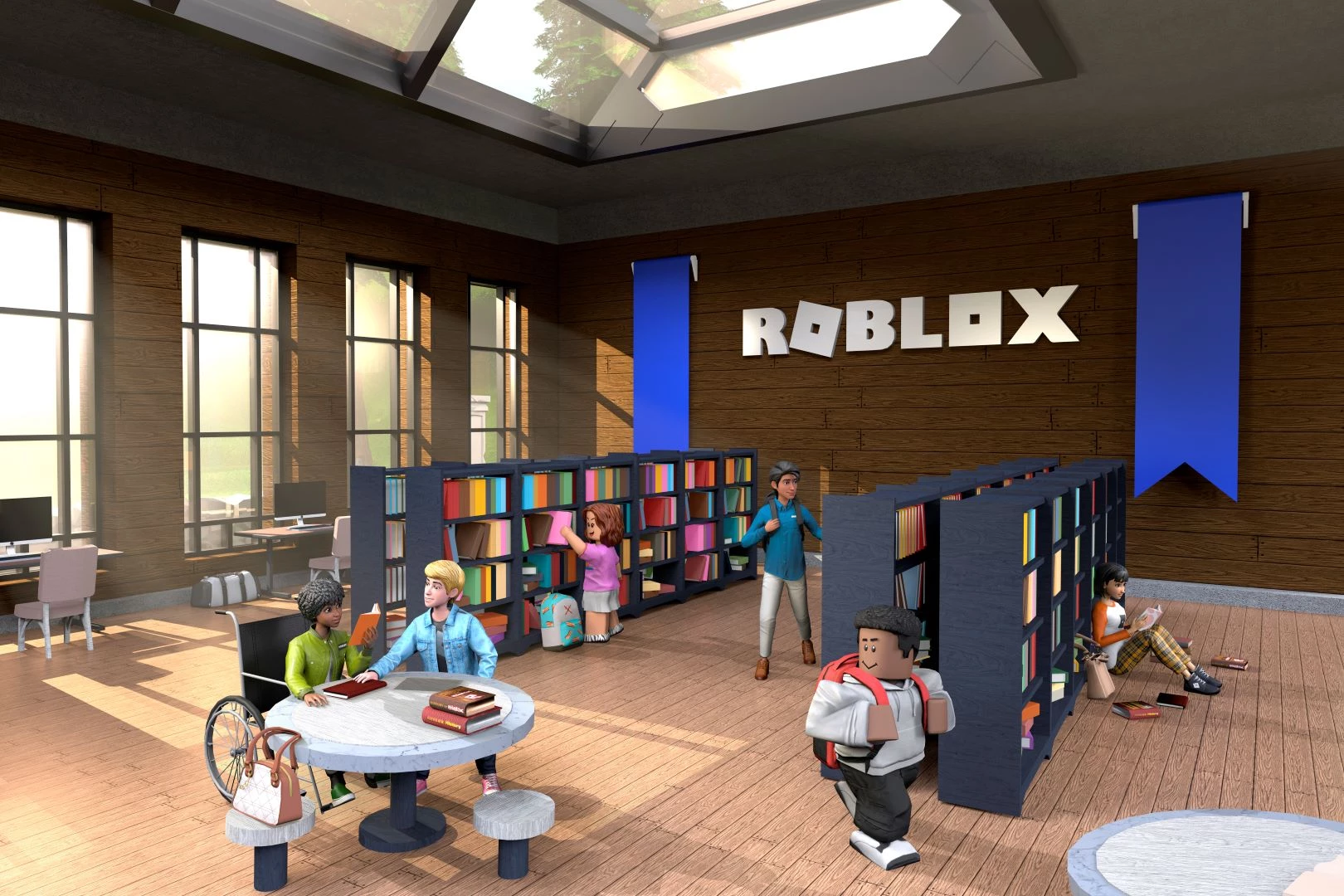
"We're going to move from a grand market of $900 billion that is aggregated in digital form to a market that's going to grow. Within the next three years, it's going to surpass a trillion dollars.
Right now there isn't a major advertiser that can capture hundreds of billions of dollars that would want to get there. We're going to have an increase in demand for brands to get into the game.
We have this core user experience where if gamers just smell ads they won't engage with the product.
Overwolf is trying to crack the code on this dynamic - As gamers ourselves, we figured out a product that gives additional value to gamers while serving ads organically."
Case Study: Monster Energy x Overwolf
Overwolf found a way to show in-game ads while preserving the core user experience.
Shahar explains this process in their latest campaign with Monster Energy:
Let's say you're playing Call of Duty and you get a special achievement. Monster comes on screen telling you that you're getting bonus points which you can use to buy in-game stuff.
Players react well to that – they know the value they're getting out of it as they're getting this 'tracker' tool for free. It's not trying to take them away from the moment, but to meet them appropriately in the moment of flow and give them value.
This strategy is known as triggered marketing in the industry – and it seems Overwolf is using it perfectly.
As Shahar explains:
"That's our insight into how to sculpt an experience that works for the gamer, the brand, and the game developer. Everyone is in relative harmony with the situation and profiting from it.
It's a win-win-win situation.
What we're trying to do is this massive opportunity for all the need to get into games. UGC is going to be a massive highway to achieving that. Some big initiatives are trying to get in the game in billboard format, but I'm less of a believer in those types of experiences."
Gamers (like myself and my editor Ricardo) want the experience clean and brands mustn't disrupt it. However, we can agree that if we're getting freebies that enhance this experience in return, showing ads is tolerable.
Listen to the full episode on Spotify: