POP MART Labubu Doll Success Takeaways:
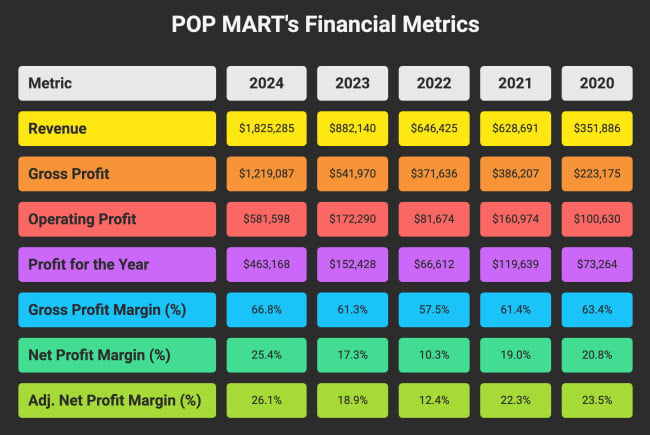
- Labubu helped drive POP MART’s revenue to $1.8B in 2024, with over 300 character variants released across global markets.
- Limited availability and blind-box packaging created urgency without backlash, fueling repeat purchases and fast sellouts in major cities.
- Celebrity moments from Dua Lipa, Rihanna, and Lisa, as well as a SEVENTEEN collab, amplified global attention.
- Labubu’s success reflects the shift toward emotional value, surprise-based purchases, and storytelling over brand familiarity.
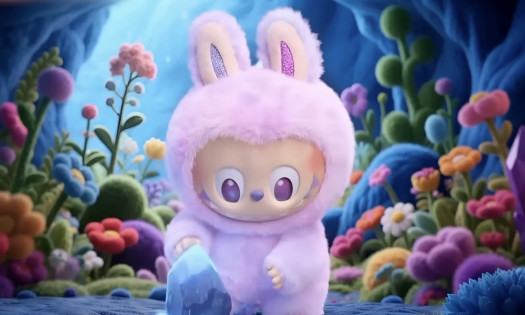
Labubu, the wide-eyed, sharp-toothed plush toy created by artist Kasing Lung, has become a global retail force.
Originally released in 2019 by POP MART, the toy quietly built momentum until it surged into mainstream attention last year.
View this post on Instagram
What began as a niche figure has now triggered sold-out launches, celebrity buzz, and crowd-related store closures.
But this frenzy is more than a viral moment.
The surge in demand has translated into real business results, and the data behind Labubu’s growth reveals just how far it has come.
Labubu Is No Longer Niche
Labubu’s rise from art toy to global retail force has been fast and measurable.
In 2024, POP MART reported $1.8 billion in total revenue, which is a whopping 106.9% increase Year-over-Year (YoY).
Labubu and its THE MONSTERS series accounted for nearly a quarter of that revenue, with the line alone growing 726.6% YoY.
"Through diverse product category designs and interactive performances featuring theme park mascots, THE MONSTERS has evolved beyond static pop figure toys into plush accessories with different costumes and interactive companions.
This transformation has made THE MONSTERS more vivid and dynamic, enriching their personalities and deepening emotional connections with fans, thereby increasing fan engagement," POP MART Chairman Wang Ning said in the company's 2024 Annual Report.
The brand’s influence has expanded far outside China.
Overseas revenue jumped 375%, with Southeast Asia seeing a 619% YoY sales increase.
In the U.S., Labubu’s popularity helped push POP MART's app to the top of the shopping category of Apple's App Store.
This occurred during the launch of Labubu 3.0 "Big Into Energy" on April 24, 2025.
Meanwhile, resale markets remain active, with blind-box toys retailing for $13 and $16 in Asia quickly flipping for up to $90, CNN reported.
From rare auction pieces fetching $150,000 to sellouts at $40, Labubu is proof that fan-driven demand and original IP can power a global product line.
These numbers tell a clear story, but the real insight lies in understanding the consumer behavior behind them.
Here are five trends driving the Labubu craze that brands can’t afford to overlook.
1. Scarcity Creates Demand When It Feels Earned
POP MART doesn’t flood shelves with Labubu figures.
Releases are unpredictable, inventory is limited, and the blind-box format means buyers don’t know what figure they’ll get until they open the box.
For many fans, this adds excitement rather than frustration. Selling out isn’t seen as a failure. It creates momentum.
When POP MART paused Labubu sales in South Korea after crowd surges, demand didn’t cool off.
It shifted to resale platforms and online forums.
Brands that rely on constant product availability may find it harder to create excitement.
Without tension or surprise, launches can become forgettable.
2. Original Design Can Outperform Familiar IP
Labubu isn’t tied to a movie, video game, or show.
It was built from scratch, yet it now competes with globally licensed characters on store shelves and resale markets.
The slightly offbeat, awkward design isn’t generic, which makes it more memorable.
View this post on Instagram
Fans relate to its imperfections and adopt it as a personal item, not a branded collectible.
POP MART benefits from owning the IP entirely, giving it full creative control and freedom to evolve the character without external approvals.
But brands that depend on well-known licenses risk becoming stuck in cycles of sameness.
Without room to build an original product design, it’s harder to stand out or adapt.
3. Cultural Influence Only Works If It Feels Genuine
Labubu gained traction in April 2024 when Lisa from BLACKPINK casually shared a photo of her figure.
That one moment ignited interest across Southeast Asia. Other celebrities followed.
Rihanna, Dua Lipa, BLACKPINK's Rosé, and even David Beckham have all been seen in public with Labubu dolls.
Labubu mania has taken over social media, after Lisa from BLACKPINK first posted her love for the adorable toys. Now other celebrities are joining the craze! https://t.co/TgaduOdQDepic.twitter.com/ZRjw6R7K6k
— E! News (@enews) June 13, 2025
Just last week, SEVENTEEN started auctioning 14 custom figures on Pharrell Williams' Joopiter platform, with some selling for over $2,000.
What made these moments effective wasn’t just the celebrity names; it was the authenticity behind it.
Fans believed that these people actually liked the toy.
Brands that script every post or over-manage influencer campaigns often struggle to connect.
When audiences don’t see real interest and excitement, the impact disappears.
4. Community Keeps Products Alive Between Launches
Labubu isn’t just something people buy. It’s something they collect, trade, and share.
Fans organize restock alerts through Telegram groups, post unboxings on TikTok, and meet at store events.
POP MART supports this with themed stores, vending machines, and frequent releases that reward long-term interest.
View this post on Instagram
This community activity has helped Labubu stay relevant long after its first viral moment.
For many buyers, the connection to other fans is just as important as the product.
Brands that focus only on conversions may overlook the value of culture.
Without community, momentum fades quickly once the product is no longer new.
5. Buying Should Feel Like an Experience
Each Labubu purchase comes with some uncertainty. The blind-box format creates a small emotional lift with every unboxing.
This randomness makes the item feel like a discovery, not just a transaction.
For many fans, the goal is to find rare figures. For others, it’s the fun of the process.
@noemiemtouch Labubuuuuuu Unboxing 🙂↔️ #Labubu#LabubuUnboxing#ASMR#ASMRSounds♬ son original - Noemiemakeuptouch
This type of experience keeps people engaged. It turns shopping into a story they want to share.
Brands that remove all friction from buying often forget how meaningful surprise can be.
Not every purchase needs to be instant or expected.
Our Take: Are Brands Still Prioritizing the Right Signals?
Labubu’s success is about more than design or price.
From my perspective, it reflects a shift in what modern buyers want from products and brands.
Emotional appeal, cultural relevance, and community-driven engagement now matter more than shelf presence or name recognition.
View this post on Instagram
I think brands that ignore these may not necessarily fail, but it'll be more difficult to spark the kind of loyalty or excitement that keeps people coming back.
And we’re seeing this across the board.
Kylie Jenner, for instance, casually praised her plastic surgeon on TikTok, and that single comment generated over $100,000 in earned media.
This kind of influence and authenticity can’t be scripted, and brands need to pay attention.
Bringing a new product to market? These agencies shape every detail with intent: