
Pokémon's 30th Anniversary Logo: Key Findings
- Pokémon unveiled 1,000+ individualized 30th anniversary logos, reinforcing depth as a competitive moat.
- Poké Times offered random logo rewards for X reshares while installing designs at Osaka Namba Station, blending digital virality with physical discovery.
- A Super Bowl ad featuring Lady Gaga and Jigglypuff launched the anniversary year, anchoring a sustained global content calendar.
Pokémon just gave every single one of its 1,000-plus characters their own anniversary logo.
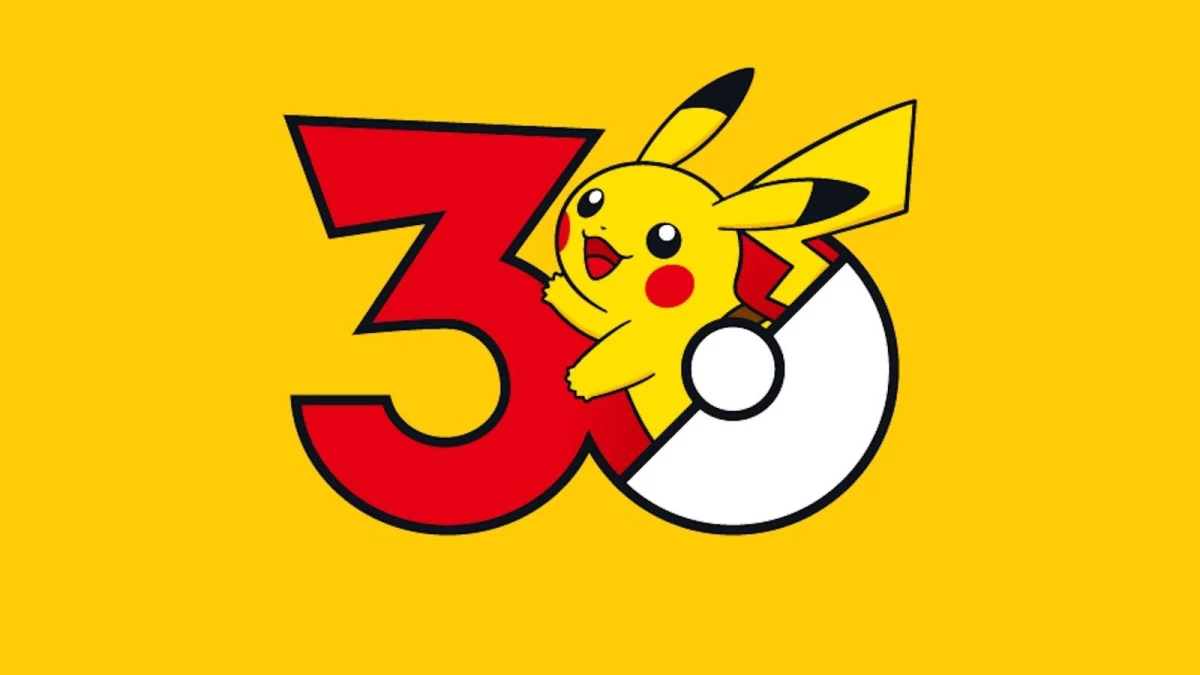
To mark its 30th anniversary on February 27, The Pokémon Company has rolled out a custom 30th logo for every Pokémon in its universe.
Yes, all of them, including regional forms and newer additions. It’s a huge move that turns a milestone celebration into a full-scale fan engagement engine.
Each logo design follows a consistent structure, with a big "30," a zero styled like a Poké Ball, and the featured Pokémon positioned to the right.
To make things more visually appealing to fans, the number three shifts color to match the creature’s palette.
For example, Bulbasaur’s is green, Charmander’s leans orange, while Pikachu’s carries its signature yellow tones.
The visual system is tight, but the execution is highly individualized.
For a franchise that has always encouraged fans to "catch ’em all," it's a smart extension of its long-standing brand marketing strategy.
Instead of spotlighting only its popular mascots like Pikachu, Pokémon is validating every fan’s favorite, no matter how niche.
The campaign builds on earlier anniversary efforts, including a Super Bowl spot featuring Lady Gaga alongside Jigglypuff.
This latest logo initiative means the 30-year push is a sustained drumbeat designed to keep Pokémon culturally present leading up to the official anniversary date.
It also quietly refreshes decades of character IP into ready-made assets for merchandise, social content, and retail partnerships throughout the year.
How the Logos Show Up
The rollout is not confined to owned channels.
The Poké Times account on X shared a graphic featuring starter Pokémon logos and offered fans a random logo in return for resharing the post.
This allowed the brand to amplify exposure and reach organically, while staying connected with the fans that made the franchise what it is now.
Offline, the logos have begun appearing in public spaces across Japan, including Shinjuku Station.
╭━━━━━━━━━━━━━━━╮
— 【公式】ポケモン情報局 (@poke_times) February 24, 2026
新宿で、大画面でも出会えます。
╰━━━━━━━v━━━━━━━╯https://t.co/8DIz3z4LTG#ポケモン30周年#ポケモンプレゼンツhttps://t.co/gA6dYYD8VYpic.twitter.com/POzUKagfU9
Additionally, fan archivist Joe Merrick of Serebii has catalogued the designs, creating a centralized hub for collectors and completists.
The anniversary calendar also includes hotel collabs, re-releases of Gameboy titles FireRed and LeafGreen, and a Pokémon Presents livestream scheduled for February 27.
Lessons From Pokémon’s Logo Rollout
Pokémon's initiative is a year-long content pipeline, showing that when you own a deep IP bench, scale can become the story. From this campaign, we learn that:
- Creating personalized and individualized logos can be a shareable campaign hook.
- Integrating social reshare mechanics with offline placements shows how digital buzz fuels physical discovery.
- Kicking the anniversary campaign off with a high-visibility ad and continuing it with multiple efforts across touchpoints sustains relevance year-round.
Three decades in, and Pokémon remains the highest-grossing media franchise in history, with lifetime revenue surpassing $147 billion.
In retail sales alone, it has generated nearly $104 billion, well ahead of Mickey Mouse & Friends at roughly $61 billion.
This gap shows how Pokémon has become a multigenerational commercial engine, capable of renewing demand across cards, games, film, licensing, and live experiences year after year.
Our Take: When Does Scale Become Intimate?
There’s something almost obsessive about designing a logo for every creature, including the ones only die-hard players remember.
But that’s the whole point.
When you treat every character like it matters, fans feel like they matter.
It tells me that the best marketing doesn’t shout the loudest, and instead shows up everywhere, patiently, like it’s been there all along.
Recently, Logan Paul broke records for selling his highly coveted Pokémon card for $16 million, using the auction to promote his new business venture.
Brands looking to capitalize on cultural moments need agencies who understand timing, authenticity, and consumer behavior.
Explore the top creative agencies in our directory.