
Labubu Film Deal: Key Findings
- Sony Pictures and POP MART confirmed a live-action CGI Labubu film is in early development, directed by Paul King of Paddington and Wonka fame.
- The announcement was made in Paris during Labubu's 10th anniversary global exhibition, with creator Kasing Lung attached as executive producer.
- POP MART is now valued at nearly $40 billion, surpassing Mattel, the maker of Barbie, on the back of Labubu's global commercial success.
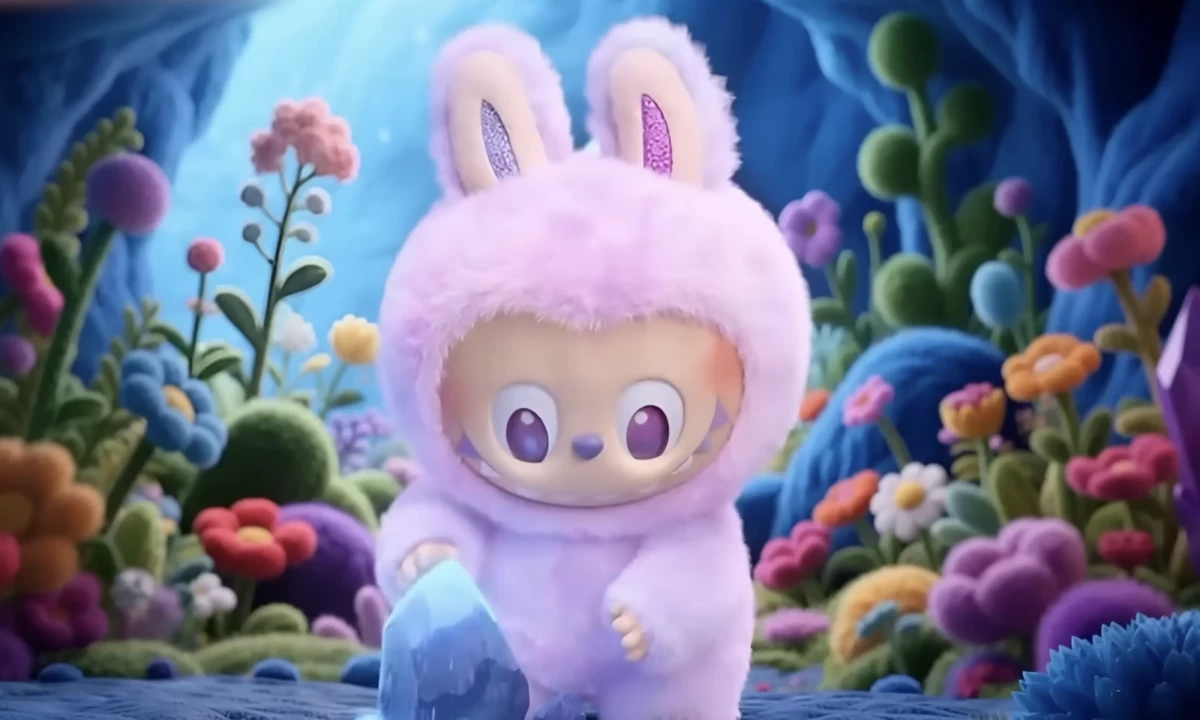
POP MART and Sony Pictures have confirmed a that a Labubu feature film is in the works, giving the blind-box toy brand its first major move into entertainment IP.
The live-action CGI production is in early development, with no release date set.
Paul King, the director behind "Paddington" and "Wonka," will direct and co-produce alongside Steven Levenson, the writer behind "Dear Evan Hansen" and "Tick, Tick... Boom!"
Kasing Lung, the Hong Kong artist who created Labubu over a decade ago, will serve as the film's executive producer.
The announcement was made in Paris this week during a global exhibition tour marking Labubu's 10th anniversary.
For brands and agencies, the deal is the latest signal that collectible IP with genuine fandombehind it can successfully travel past the shelf it started on.
From Blind Box to Big Screen
Labubu began as a forest elf character in Lung's book series The Monsters, inspired by Nordic mythology.
POP MART then adopted the character into its blind-box format, where buyers discover which figure they've received only after opening the package.
This mechanic drove secondary-market demand and repeat purchasing at a scale that eventually caught global attention.
Celebrity visibility sped up the character's cultural reach, with artists like Rihanna and LISA from Blackpink photographed wearing Labubu charms alongside designer bags.
POP MART has since expanded into a theme park in Beijing, and the film deal marks its first major move into entertainment IP.
The Numbers Driving the Deal
POP MART's financial trajectory makes the film deal easier to understand.
The company's Americas revenue surged 1,270% year-over-year in Q3 2025, against overall revenue growth of 250%, with half-year revenues reaching approximately $2 billion.
POP MART's market cap now sits at nearly $40 billion, a valuation that has outpaced traditional toy giants Mattel and Hasbro.
That growth was driven almost entirely by Labubu, which is exactly why a film deal makes commercial sense at a time when the brand still has momentum behind it.
Kim Dayoung, a marketing lecturer at the National University of Singapore, told the BBC that for Gen Z and Millennial consumers, "content and commerce are closely intertwined," adding that "the potential is very high."
Kapil Tuli from Singapore Management University's Lee Kong Chian School of Business called it "a good moment to make that jump."
He cited Labubu's loyal customer base as a foundation for significant growth if the content lands well with fans.
The path from blind box to Sony deal carries clear implications for brands and agencies thinking about IP longevity:
- Fandom-built IP attracts franchise interest: Brands with dedicated collector communities draw studio attention organically, as Labubu's path to Sony demonstrates.
- Timing a media push to peak momentum is everything: POP MART is moving into film while Labubu's commercial trajectory is still climbing.
- Retail infrastructure supports franchise launches: POP MART's global store network gives the film built-in promotional real estate from day one.
The brands that move from product to franchise are typically the ones that treat their characters as long-term creative assets from the start.
Our Take: Can Labubu Keep Its Edge at Scale?
We think the film deal makes sense on paper, but that Labubu's appeal and brand identity has primarily been built on scarcity and surprise.
Mainstream cinema is almost the opposite of that, so the real question is whether Paul King can keep the character's odd, slightly unsettling edge intact when it's playing to a mass audience.
His work on Paddington suggests he can.
That franchise had a devoted niche following before it became a genuine crowd-pleaser, and he managed both audiences without losing either.
If Labubu gets the same treatment, there is a real audience for it.
Brands looking to develop collectible or character-led IP into broader media properties need agencies that understand both cultural positioning and franchise strategy.
Explore the top branding agencies in our directory.