


A website relaunch can double conversion rates and still fail to answer the question that matters most to the business.
Is the website helping sales win more customers?
It sometimes feels like conversions and sales are the same thing, especially since conversion rates usually become the headline measure of a redesign.
Yet those numbers reveal little about whether prospects fit the company's target market, have the budget to buy, or will advance beyond an initial conversation.
I've seen this measurement challenge shape how businesses evaluate website projects time and time again. After all, the metric is easy to communicate and gives everyone a tangible result to point to.
But from my experience at ANML, I believe a website should help a business create opportunities, not merely capture responses.
Measuring that difference requires looking beyond the moment a visitor submits a form and examining whether that activity contributes to the sales process.
Understand What Conversion Gains Actually Measure
Conversion rate measures a specific action against a defined audience or volume of traffic. It can show whether a website has become more effective at encouraging visitors to take that action.
However, it doesn't establish whether those visitors are likely to become customers.
Say a B2B software company simplifies its demo request form, and more visitors complete it because it takes less effort.
That's a legitimate improvement in user experience.
But, if the additional submissions come from people outside the company's target market, sales may receive more inquiries without gaining more viable opportunities.
The same problem can emerge when a redesign changes messaging, calls to action, or the offers presented to visitors.
This creates a measurement problem when teams combine different actions into one conversion figure.
Reporting them as equivalent successes can obscure the difference between audience engagement and sales potential.
Then, there's also the possibility that a conversion rate increases because the site generated more actions, because traffic declined, or because the mix of visitors changed.
When I evaluate website performance, I look beyond whether the conversion rate increased.
I want to understand whether the increase reflects a change in buyer behavior that the business actually wants.
That requires defining the purpose of the relaunch before the first design decision is made.
If the objective is to generate more qualified sales conversations, the measurement framework must distinguish qualified conversations from every other action the site encourages.
Account For What Happens After Vendor Discovery
The distinction between engagement and commercial value becomes more important in B2B markets, especially as AI search continues to accelerate vendor discovery.
Case in point, G2's 2026 Buyer Behavior Report found that 40% of surveyed B2B software buyers consider evaluation of a product the longest stage of their purchasing journey.
This means a visitor can discover a vendor, explore its services, and submit a demo request while still comparing alternatives or building a case for an internal purchase.
In this case, a conversion records an expression of interest, not a confirmed sales opportunity.
I think marketing teams need to pay closer attention to this gap.
A redesign may make it easier for buyers to take the next step, but the number of people taking that step does not reveal how many are qualified or how many sales will accept.
Those outcomes need to be measured separately:
- If demo requests increase but qualified leads do not, the site may be attracting more activity without improving demand quality.
- If qualified leads increase but opportunities remain flat, the issue may lie in how those prospects progress through sales.
For me, this is the way to evaluate conversion gains.
Build Measurement Around Business Outcomes
Before changing the site, record the performance of the actions the business wants to improve.
Depending on the sales model, those may include demo requests, qualified lead rates, sales acceptance, opportunity creation, pipeline value, and progression through the sales process.
The team should also agree on how each metric is defined.
If a relaunch changes the criteria for counting conversions or qualifying leads, comparisons with the previous site may no longer be reliable.
My team at ANML also does the following:
1. Connect website analytics to CRM data
Website analytics can reveal where visitors arrive, what they engage with, and which actions they complete.
On the other hand, CRM data can show whether those actions lead to qualified conversations, sales opportunities, and pipeline progression.
Connecting the two allows marketing teams to examine the quality of the demand a website generates.
Instead of reporting that demo requests increased, they can investigate whether more requests came from target accounts or sales accepted more leads.
This connection also helps explain disappointing results.
If form submissions rise but qualification rates fall, the additional volume may not represent an improvement in demand generation.
2. Evaluate results against the sales cycle
A relaunch should have scheduled performance reviews, but those reviews need to reflect how quickly the business can reasonably expect commercial outcomes to emerge.
- At 30 days, verify tracking, compare conversion patterns against the baseline, and examine whether the new site attracts the intended audience. Early changes can reveal problems with the experience or measurement setup, but they rarely establish commercial impact.
- At 60 days, examine lead qualification, sales acceptance, and early opportunity creation. The key question is whether the conversion lift is producing more meaningful sales conversations.
- At 90 days, assess opportunity progression and emerging pipeline contribution. For businesses with longer sales cycles, this may provide directional evidence rather than a definitive view of revenue impact.
Keep in mind that these are only checkpoints to help guide decision-making. Don't impose an arbitrary deadline for proving return on investment.
Make The Conversion Gain Answer A Bigger Question
Our project for Flock Safety is a great example of how a website relaunch can improve conversion performance through a better understanding of audience behavior.
The project involved evolving its brand and reimagining its website to help it stand out from competitors while supporting its continued growth.
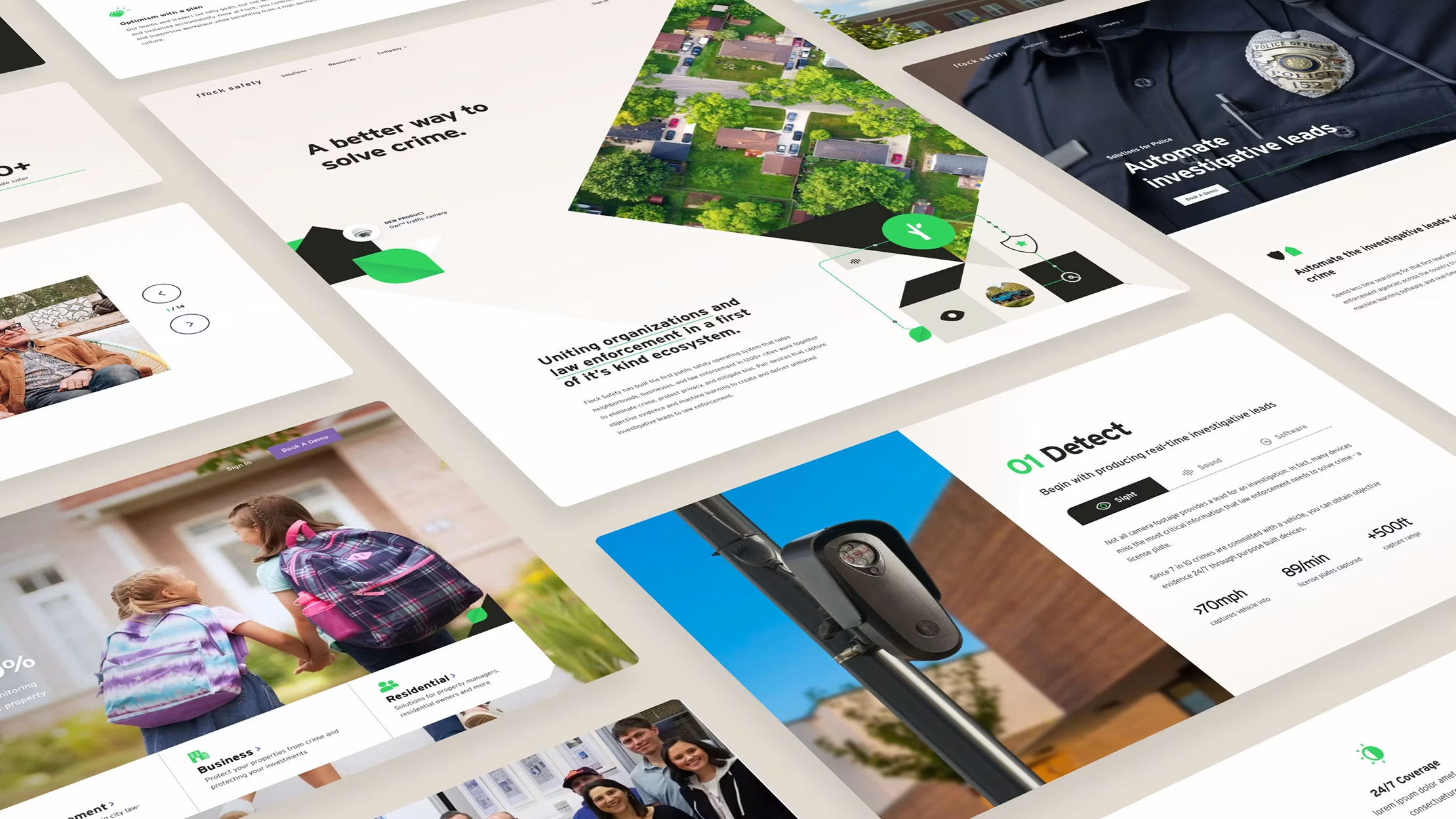
One important part of the work involved testing multiple versions of the homepage and other website sections.
The testing showed us which messages and paths moved the right visitors to act, which helped us double conversion rates within five months of launch.
However, that lift was only our starting point, not the finish line. The next question was whether those conversions were turning into the conversations Flock's sales team wanted.
For me, the important takeaway is that conversion improvements should be tied to an understanding of what motivates visitors to act and the actual business outcome you want to achieve.
After all, an uptick in conversions is only beneficial if it creates opportunities worth pursuing.
Look Beyond The Conversion Report
I believe marketing leaders and agencies need to hold website relaunches to a higher standard than conversion rate improvements alone.
A redesign should make it easier for the right buyers to understand a business, evaluate its offerings, and take meaningful steps toward a purchase.
So rather than promising a conversion lift as the ultimate measure of a project's value, agencies should establish the preferred business outcomes and agree on how those outcomes will be evaluated after launch.