
Coca-Cola wants the world to put its phone down during the moments that matter.
Together with agency Grey, it launched a new global campaign titled "The World Will Wait" that asks Gen Z and Millennial audiences to choose the table over the to-do list.
The push targets those stretched thin by work and family life who still crave real time together.
It drives the point that every shared meal is a moment worth defending from constant notifications.
Unlike a splashy brand partnership timed to a movie or a season, the campaign is pushing to instill a daily behavior instead.
Coca-Cola Global President Arnab Roy shared the company's observations on a growing tension among consumers, especially younger generations.
Oftentimes, they desire genuine connection but "feel overwhelmed by the urgent pressures of daily life."
"'The World Will Wait' is designed to inspire us and remind everyone that some moments are simply too important to postpone," he shared.
Screens Down, Forks Up
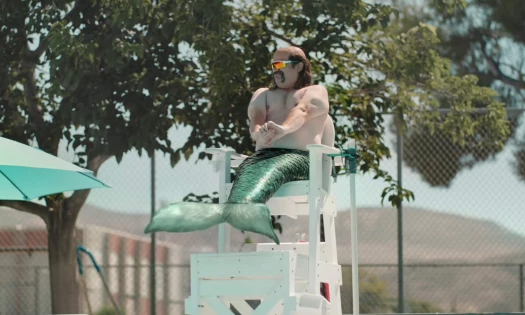
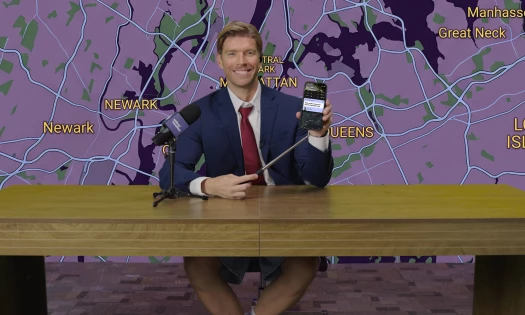
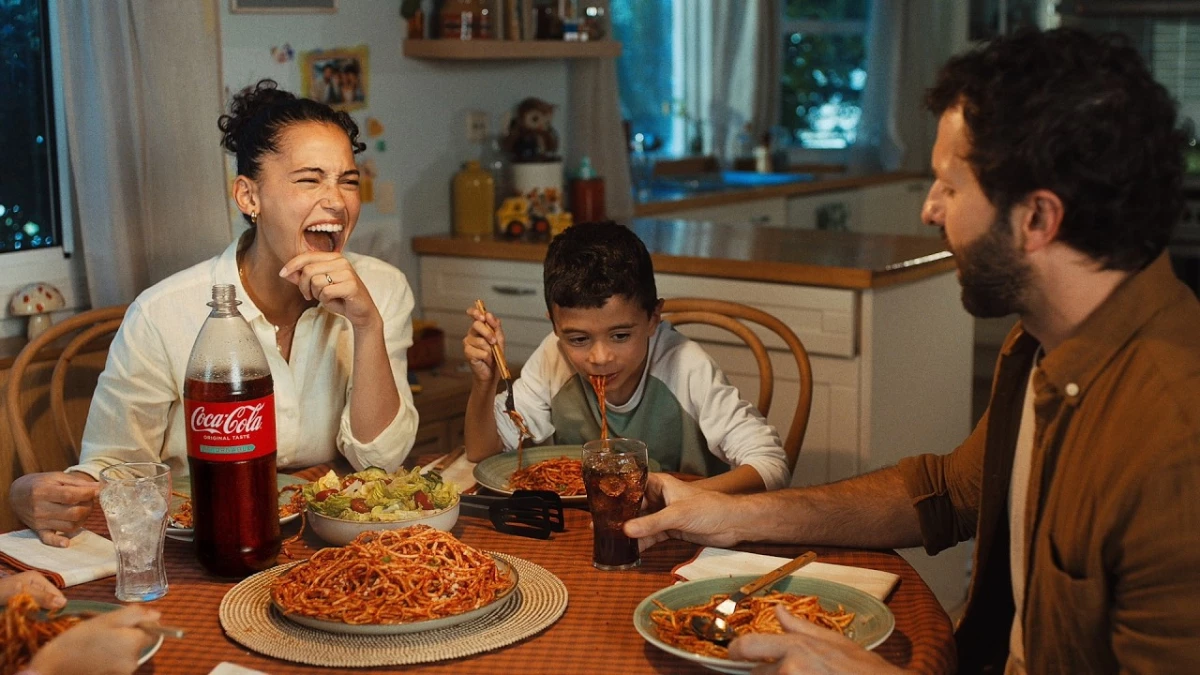
The fully integrated push centers on two films, "Laptop Face" and "The Most Important Meeting."
Each spot shows someone choosing the table over an urgent on-screen moment, centered on the line that nothing is more urgent than time at the table with a meal and a Coke.
Around the films, Coca-Cola is repurposing "AFK," the gaming shorthand for stepping away from the keyboard, into a badge instead of an apology.
Influencers are being asked to log off and post about the meal itself rather than the excuse for missing one.
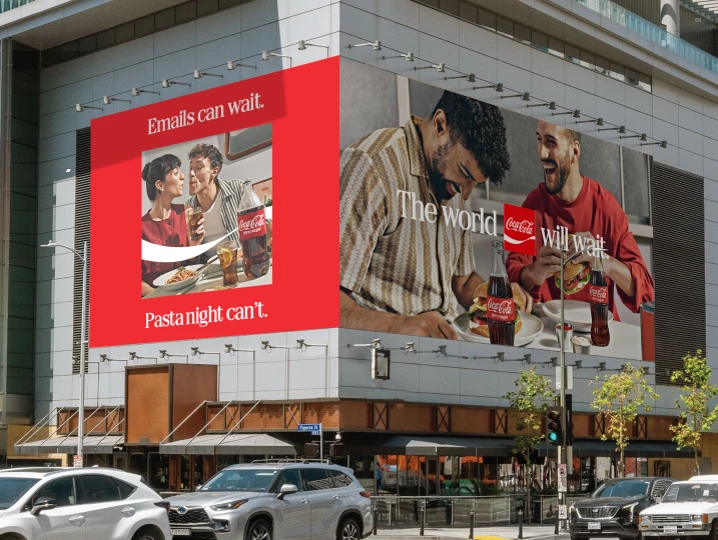
Out-of-home and digital executions carry the same logic in blunter language.
The soda company paired lines like "Laundry can wait. Fried Chicken & Coca-Cola can't" with "No one ever said 'this meal could have been an email.'"
Digital touchpoints tied to the campaign will unlock rewards for people who use them to plan or share a meal.
The timing follows Coca-Cola's global visual refresh with agency JKR just weeks earlier.
It's one of the brand's biggest projects this year, designed to make its red-and-white palette, script, and Dynamic Ribbon consistent across 200 markets.
If the refresh was about how Coca-Cola looks everywhere, this campaign is about where Coca-Cola shows up in people's lives.
Both projects push the same idea that Coca-Cola's oldest strength isn't reinvention but familiarity, deployed consistently enough to feel inevitable.
The Case For A Slower Table
Coca-Cola is responding to a real drop in shared meals, not just a fear of screens.
Survey Center on American Life data found only 38% of Gen Z grew up having daily family meals, compared with 76% of Baby Boomers.
Despite that gap, FMI's 2025 research found 63% of Gen Z still call eating together at home "very" or "extremely" important.
This disconnect is exactly where phones tend to fill in, and Coca-Cola decided to do something about it.
Consumer desire and consumer habit rarely line up this cleanly, and the space between them is where a campaign like this gets to live.
A few lessons stand out:
- Target the gap, not the behavior: Brands should design around the distance between what audiences want and what they actually do, since that gap is where messaging lands hardest.
- Make the inconvenient feel earned: Marketers should frame delays or patience as a reward to avoid sounding like they're scolding the audience they're trying to win over.
- Recruit existing vocabulary: Teams should build campaigns around language and habits audiences already use, like AFK, to build and enforce familiarity and relatability.
Everyone chasing the "put the phone down" message is fighting for the same real estate.
The win goes to whichever brand's language people start repeating.
Our Take: Can a Soda Company Really Slow Anyone Down?
We've eaten plenty of meals with a phone face-down on the table, buzzing like it's got somewhere better to be.
What Coca-Cola gets right is how it refused to make the phone the villain by itself.
It's going after the bigger idea that being available is the same as being important, which is a braver argument than "put your phone away."
This is because it asks people to admit the meeting probably wasn't that urgent either.
To us, that's the true magic of this campaign.
It doesn't impose; it simply shows audiences that there are a ton of things to appreciate the moment your eyes leave your screen on the dinner table.
Find the teams driving growth and engagement across every platform. Check out these top digital marketing agencies in our directory.