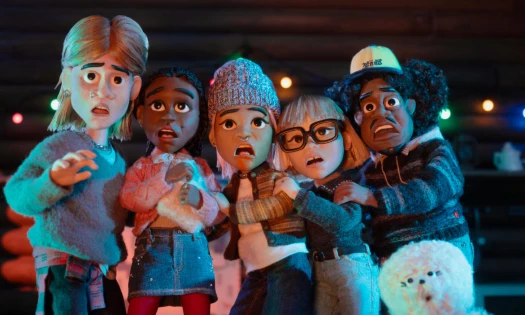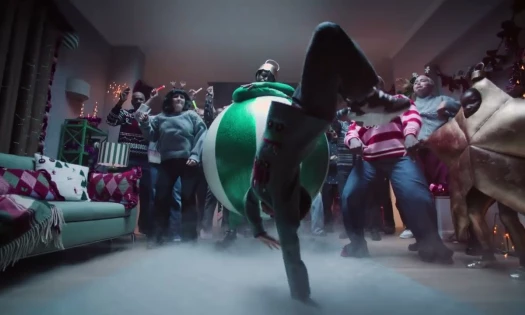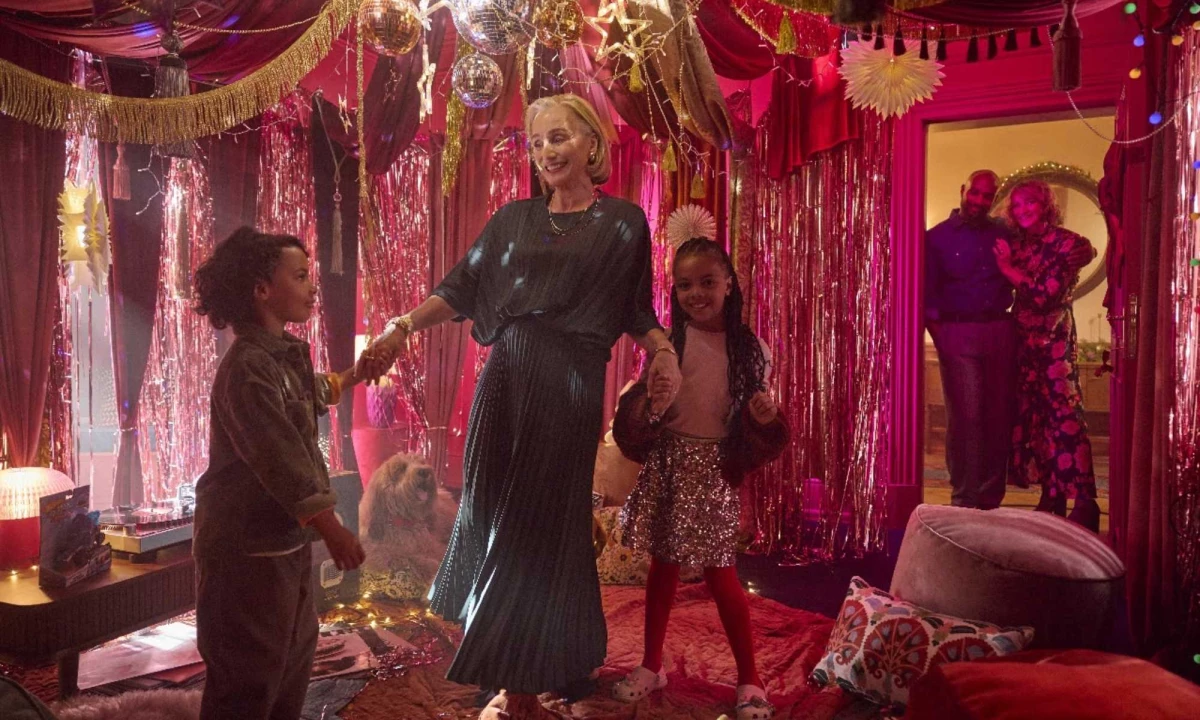

John Lewis' 2026 Christmas ad earned a 5.6-star System1 score, even as Kantar said it lacks the emotional punch of past campaigns.
The three-minute Saatchi & Saatchi film stars Dame Kristin Scott Thomas as Gloria.
She plays a grandmother struggling to choose Christmas presents for her grandchildren.
A talking toy dog named Pickles, voiced by Paul Whitehouse, takes her on a last-minute gifting mission.
But the campaign has drawn criticism over its wealthy setting and portrayal of family life.
Some viewers called Gloria's affluent London home out of touch with households facing cost-of-living pressures.
Columnist Sarah Vine branded the grandchildren "spoilt, entitled, rude and overindulged."
The Independent columnist Katie Rosseinsky described the campaign as "tone deaf," while Piers Morgan called it possibly the worst ad he had seen.
Kantar's head of creative excellence, Lynne Deason, praised its humor and soundtrack but said it "lacks the emotive punch of previous years."
"We know that campaigns can fall down on celebrity spots, but Kristin Scott Thomas's star turn is well done," Deason told AOL.
"The branding could have been stronger, so it will be interesting to see how they bring the campaign to life across socials."
The 5.6 score makes "Gloria and Pickles" John Lewis' strongest Christmas ad since 2019's "Excitable Edgar," which hit System1's 5.9-star maximum.
It also marks the fourth straight year that a Saatchi & Saatchi ad for John Lewis has outscored the one before it.
The different assessments raise a useful question for brands hiring agencies.
Which signals should determine whether creative work deserves approval?
A 3-Minute Film Reimagines Christmas Gifting
The holiday ad follows Gloria as she prepares to welcome her family on Christmas Eve.
Her grandchildren, Freddie and Maggie, show little interest in her childhood toy collection.
Unsure what presents they would enjoy, Gloria puts cash inside their Christmas cards.
Pickles suddenly springs to life and challenges her decision. "You can do better than cash," he tells her.
The pair then embarks on a gifting mission through London.
A colorful tuk-tuk ride inspires Gloria to create a magical "Gran Cave" in her home office.
On Christmas morning, the children discover the room, complete with disco balls, sparkling lights, and music.
Its soundtrack is Sam Fender's cover of The Rolling Stones' "You Can't Always Get What You Want."
The recording features a children's choir from Fender's former school and brass musicians from Easington Colliery Band.
Lucy Forbes of Smuggler directed the film, which premiered on John Lewis' social channels before its TV debut
John Lewis marketing and loyalty director Rosie Hanley said the campaign aims to restore confidence in choosing personal gifts.
"I've definitely resorted to putting cash in an envelope for fear of getting it wrong," Hanley said in the press release.
"We hope this restores the nation's gift-giving confidence."
OnePulse found that 85% of Brits have given cash as a Christmas gift because they were unsure what to buy.
Saatchi & Saatchi anchored John Lewis' brand positioning in a habit most viewers share, but Gloria's affluent home made the solution feel out of reach.
Test Scores Contradict the Online Backlash
The available research offers several ways to assess the campaign, although the findings measure different things.
System1 awarded the ad 5.6 stars and found that only 15% of tested viewers recalled the children as rude.
This suggests the online criticism didn't dominate measured audience responses.
OnePulse also found that 68% of respondents liked or loved the ad.
This offers another indication of positive consumer reception, although the results do not establish national opinion.
The scores are important to agencies because creative testing, consumer surveys, and expert reviews answer different questions.
Agencies pitching festive creative can take three lessons on ad testing from the split verdict.
Test Emotion Before Launch
Agencies should run controlled creative testing before launch to gauge emotional engagement and long-term brand potential.
System1 found that 61% of viewers felt happy watching "Gloria and Pickles," nearly twice the U.K.'s TV ad average.
Check Whether Viewers Got the Message
Teams should read open-ended survey answers to confirm viewers remember the brand and the idea behind the story.
Only 12% of OnePulse respondents mentioned the gifting message when describing the ad, while 48% said Pickles stole the show.
Track Sales on Their Own
Brands should measure consideration, sales, and repeat purchases before treating positive reactions as business results.
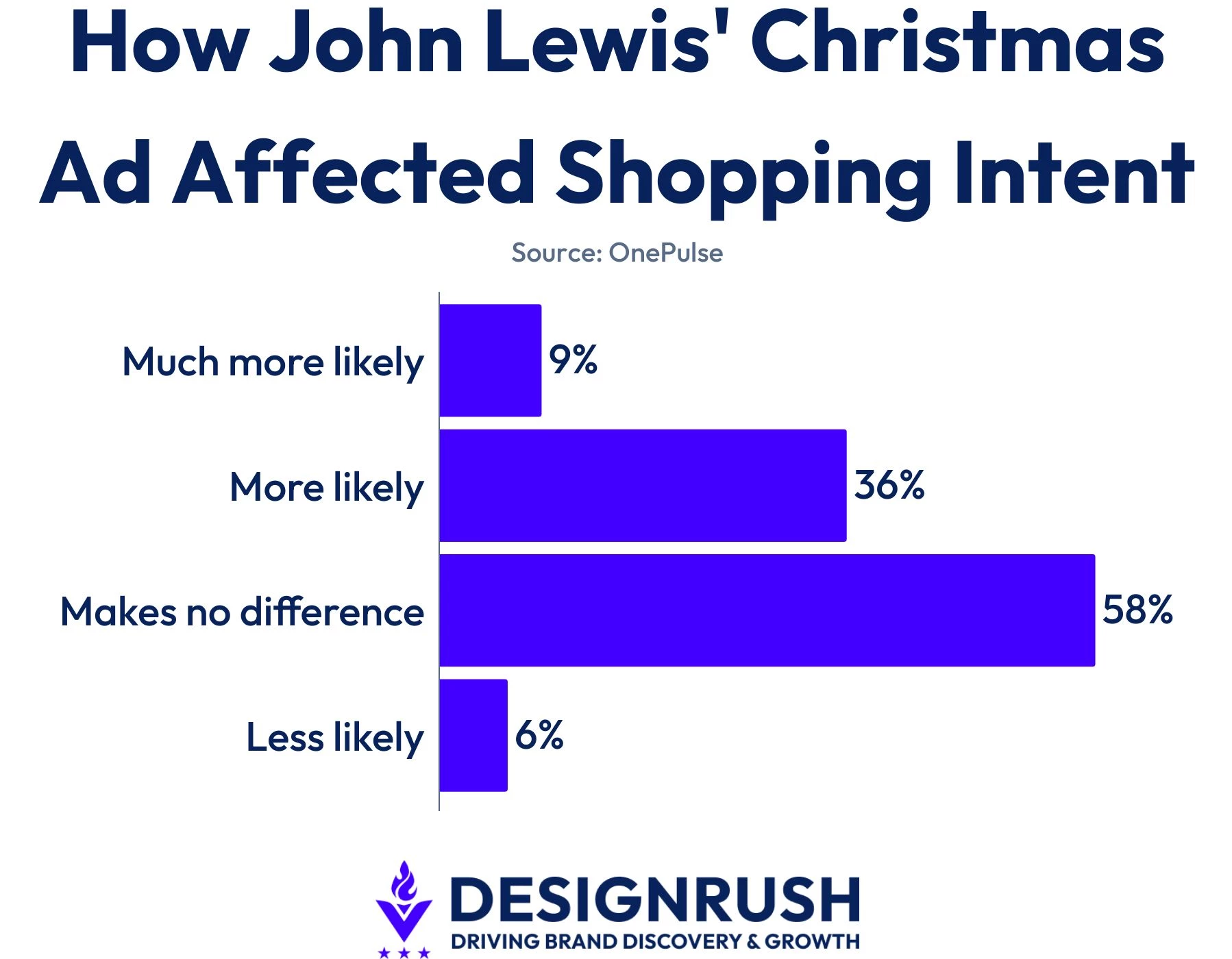
Piers Morgan said the ad would put him off John Lewis, yet 36% of OnePulse respondents said it made them more likely to shop there, and 58% said it made no difference.
Christmas sales will show whether Pickles gives John Lewis' brand identity enough lift to matter at the till.
Our Take: Which Evidence Should Decide Agency Success?
Christmas ads face a public verdict within hours of launch, weeks ahead of any sales data.
We'd let the success measures that John Lewis and Saatchi & Saatchi agreed on before production decide whether the work delivered.
Without these measures, critics and fans pick whichever number suits their argument.
System1 found the strongest Christmas ads of 2025 were largely the most consistent ones.
Pickles gives John Lewis a shot at this kind of consistency, since 48% of OnePulse viewers said the dog stole the show.
The retailer should brief Saatchi & Saatchi to bring Pickles back next year and track recall against this year's baseline.
Aldi has already teased Kevin the Carrot's return this Christmas, and his decade-long run shows how long one festive mascot can hold an audience.
An agency that creates a character worth bringing back makes itself much harder to replace at the next account review.
Compare agency expertise and creative capabilities before choosing a partner.
Brands looking to evaluate their next campaign can explore these top advertising agencies on DesignRush.