
'Stranger Things' AI Backlash: Key Findings
- Fans claimed to spot ChatGPT tabs in a Netflix documentary, highlighting how visible creative workflows can quickly influence audience trust.
- The backlash, despite no confirmed AI use, highlights how sensitive audiences are to perceived creative shortcuts.
- Behind-the-scenes access builds engagement but can also expose brands to narrative misinterpretation at scale.
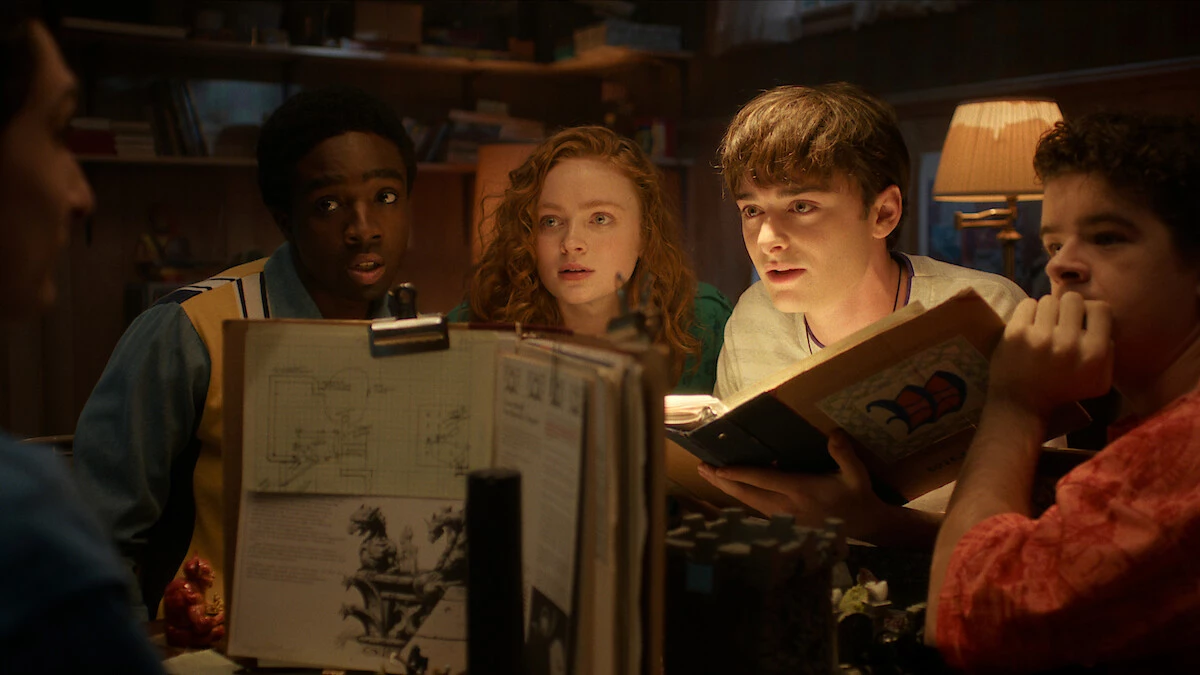
Few TV franchises carry as much emotional ownership as "Stranger Things," which is why even the hint of AI involvement was enough to unsettle its audience.
The controversy surfaced after viewers watched Netflix’s documentary, "One Last Adventure," which debuted on January 12.
Screenshots shared by fans appeared to show OpenAI’s ChatGPT and Reddit browser tabs open during writing sessions.
These images spread quickly, fueling speculation that AI tools played a role in shaping the beloved show’s final season.
The reaction was swift and intense, driven by a series long associated with nostalgia, human storytelling, and deep fan investment.
The Stranger Things finale being written with ChatGPT on Google docs… #StrangerThingspic.twitter.com/qanGxjrAhJ
— BOB (@bobussyy) January 12, 2026
For many viewers, the suggestion of generative AI raised questions about authorship and the Duffer Brothers’ identity as hands-on creators.
While no evidence confirmed the use of AI in the show's scripts, perception alone proved enough to ignite reputational tension around authorship and creative integrity.
This highlights how creative trust now extends beyond outcomes to include visible process, especially as AI tools become more common in creative work.
Creators with deeply invested audiences should also rely on clarity around how stories are made as part of protecting authorship itself.
Fandom as a Source of Scrutiny
Entertainment brands operate under the same microscope as consumer brands, where every visible detail can be interpreted as strategy.
In this case, social platforms amplified speculation, elevating a routine production moment into a credibility debate that unfolded in real time.
The final season reached 59.6 million views in its first five days, a scale that places it among Netflix’s most-watched English-language releases, further intensifying the scrutiny.
This level of attention carries implications beyond the show itself, especially for brands that have tied campaigns, merchandise, and experiential activations to the franchise.
And when questions emerge around creative integrity, partner brands risk being pulled into the conversation.
Association with the IP links their own credibility to how the story behind the scenes is perceived.
This AI backlash comes as the series' immersive ad campaign is designed to pull fans deeper into the "Stranger Things" universe.
The Risk in Transparency
The push for transparency has changed entertainment marketing, with documentaries, behind-the-scenes footage, and creator access designed to deepen loyalty and humanize production.
But transparency without context can also backfire.
This is especially true when audiences are left to interpret the creative process on their own, often filling gaps with speculation rather than facts.
Generative AI carries a particular baggage in creative industries, as it is often associated with automation, shortcuts, and diluted originality.
This makes any visible association risky unless brands actively frame how, where, and why tools are used.
Netflix or the Duffer Brothers’ silence leaves room for assumptions, and rumors travel fast.
This incident highlights several lessons for brand leaders navigating AI-adjacent narratives:
- Process visibility requires framing. Showing work builds trust only when audiences understand what they are seeing.
- Perception often outweighs proof. Brands are judged on signals, not their internal reality.
- Creative equity is fragile. Once audiences question authorship, restoring confidence takes more than a simple clarification.
As creative workflows become more visible, brands increasingly share ownership of meaning with audiences, making clarity around the process a part of brand management.
Our Take: Did Promotion Expose More Than Intended?
I generally support transparency, but heightened promotion also raises expectations around how much of the process audiences are meant to see.
This tension is especially pronounced in scripted storytelling, where tools, drafts, and reference material can be misread without explanation.
Fans feel a strong sense of ownership over stories that shape culture, and reactions escalate quickly when that bond feels unsettled.
In a franchise supported by large-scale brand activations, even small doubts around creative integrity can influence partner confidence and planning.
As AI becomes part of everyday creative environments, brands that amplify access also take on responsibility for framing what audiences are seeing and why.
Looking to protect creative credibility while scaling campaigns? Explore Top Creative Agencies that help brands balance innovation, trust, and execution.